


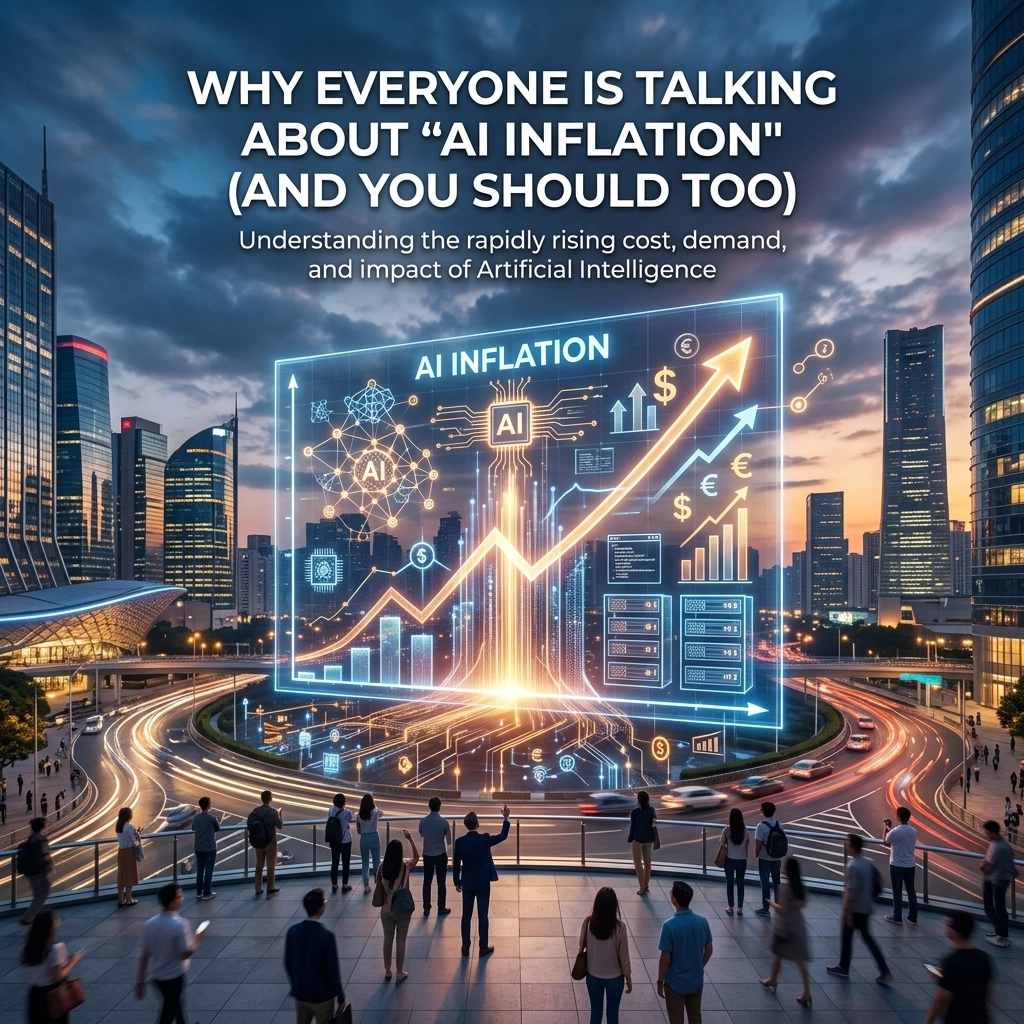
Why Everyone Is Talking About “AI Inflation” (And You Should Too)
If you’ve spent five minutes on the internet lately, you’ve probably seen some tech bro in a black turtleneck promising that Artificial Intelligence is going to solve all of humanity’s problems. It’s going to write your emails, diagnose your weird rashes, and maybe even drive your car while you take a nap. The promise is simple: AI will make everything faster, better, and, most importantly for our wallets, cheaper.
But if you look at your bank account or the price of a gallon of milk, things don't feel "cheaper." In fact, while everyone is shouting about the AI revolution, a weird side effect is bubbling up under the surface. Economists are starting to call it "AI Inflation."
It sounds like a contradiction, right? How can a technology designed to make things efficient actually make life more expensive for the regular guy? Well, grab a coffee, and let’s break down why your wallet is feeling the heat from a bunch of silicon chips in a server farm halfway across the country.
The Physical Cost of "The Cloud"
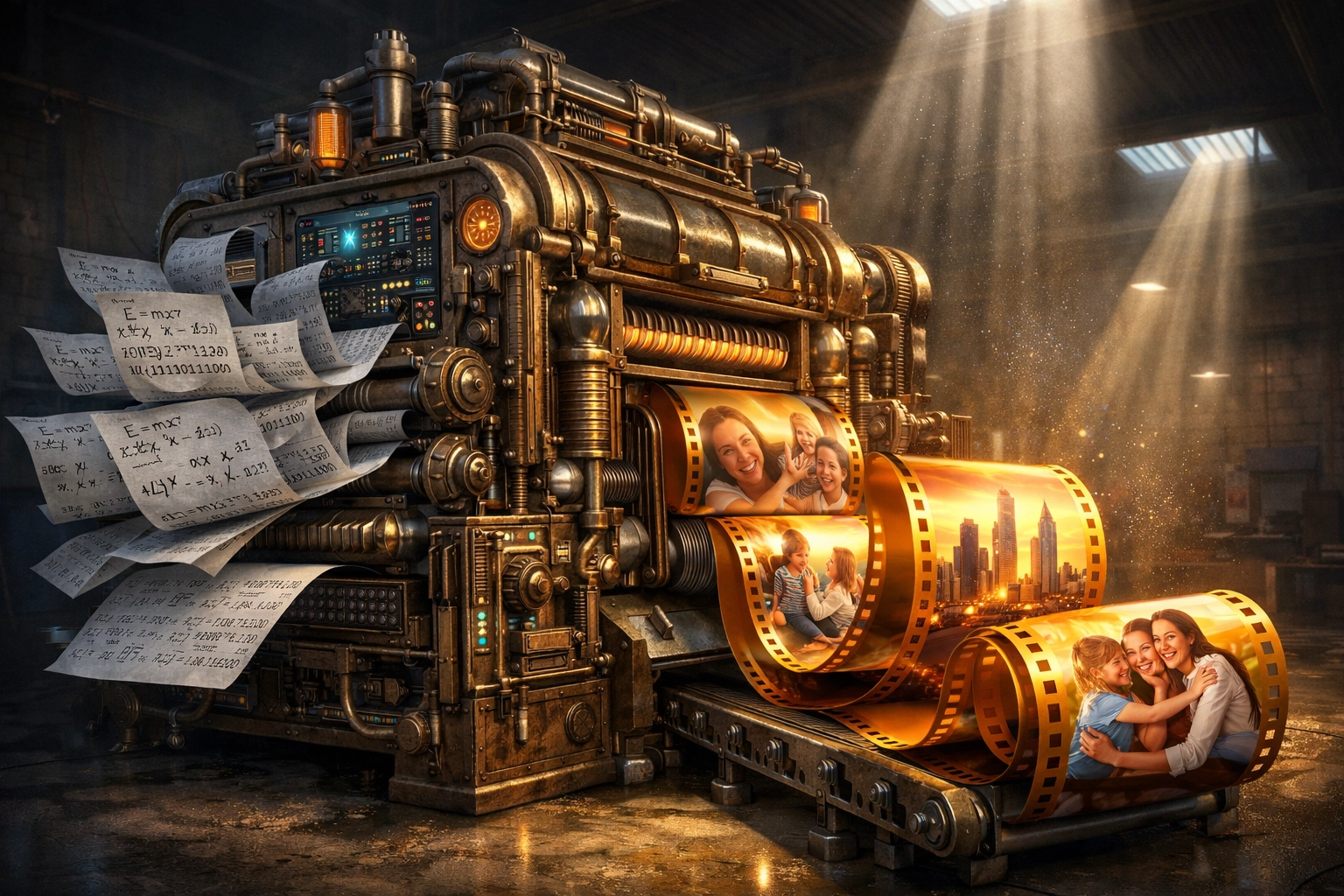
We like to think of AI as this magical, invisible force that lives in "the cloud." But the cloud isn't some fluffy vapor in the sky; it’s a massive, hot, power-hungry warehouse filled with thousands of expensive computers.
To build these AI systems, companies like Google, Microsoft, and Meta are in a literal arms race. They are buying up every high-end microchip (GPUs) they can get their hands on. When demand for something skyrockets, whether it’s eggs or Nvidia chips, the price goes up. This is "Demand-Pull" inflation in its purest form.
But it’s not just the chips. These data centers require a mind-boggling amount of electricity to run and an even more insane amount of water to keep the servers from melting.
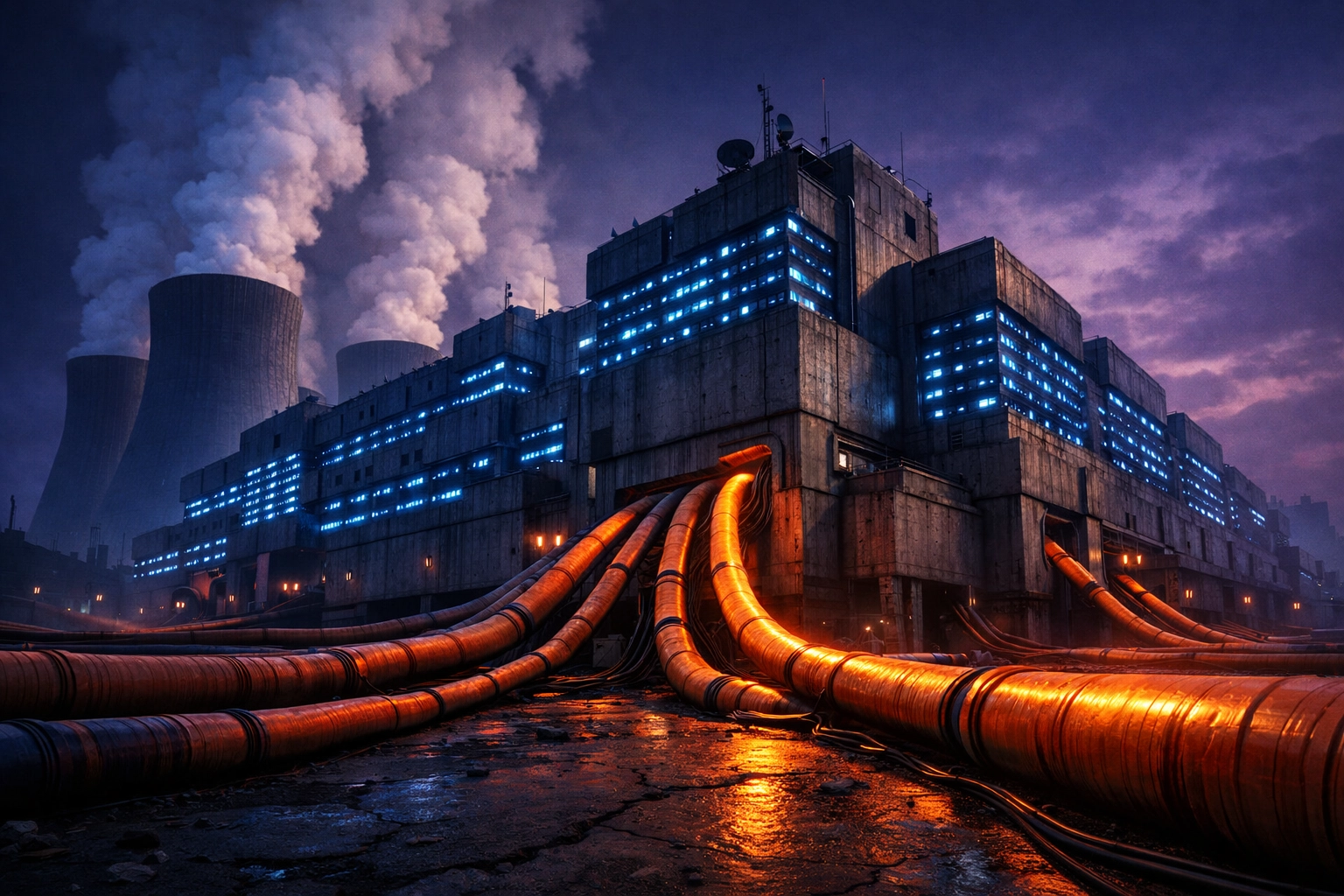
When a massive data center moves into a town, it doesn't just bring "tech jobs." It brings a massive new neighbor that wants to drink all the local electricity. In some parts of the country, utility companies are already warning that they’ll need to raise rates for everyone, yes, including you and me: to build the new power plants and transmission lines required to feed the AI beast. So, while ChatGPT might be free to use (for now), your monthly electric bill might be subsidizing the revolution.
The Productivity Promise vs. The Reality Right Now
The big argument for AI is that it will boost productivity. If a company can use AI to do the work of ten people, their costs go down, and they can pass those savings on to you. Research actually suggests that if AI adoption hits a certain stride, it could shave about 0.5% to 0.7% off annual consumer prices. That sounds great on paper.
The problem is the timing.
Right now, we are in the "spending like crazy" phase. Companies are pouring billions: with a "B": into AI infrastructure. They are hiring specialized engineers at $500k a year and buying land for data centers like it’s a game of Monopoly. All that spending pumps money into the economy right now.
Think of it like this: If you decide to start a backyard garden to save money on groceries, you first have to spend $1,000 on tools, soil, seeds, and a fancy watering system. For the first six months, your "cheap" tomatoes have actually cost you $200 a piece. You’re in the hole. The economy is currently in that "expensive tomato" phase. We are spending the money today in the hope that things get cheaper tomorrow.
The "Hype Tax" and Your Expectations
There’s another sneaky way AI is keeping prices high: Expectations.
When businesses and investors get excited about a "new era of growth," they start acting like the money is already in the bank. They invest more, they spend more, and they bid up the price of resources. Federal Reserve economists have been sounding the alarm on this. They’ve noted that "AI could inflate prices today even without a payoff tomorrow."
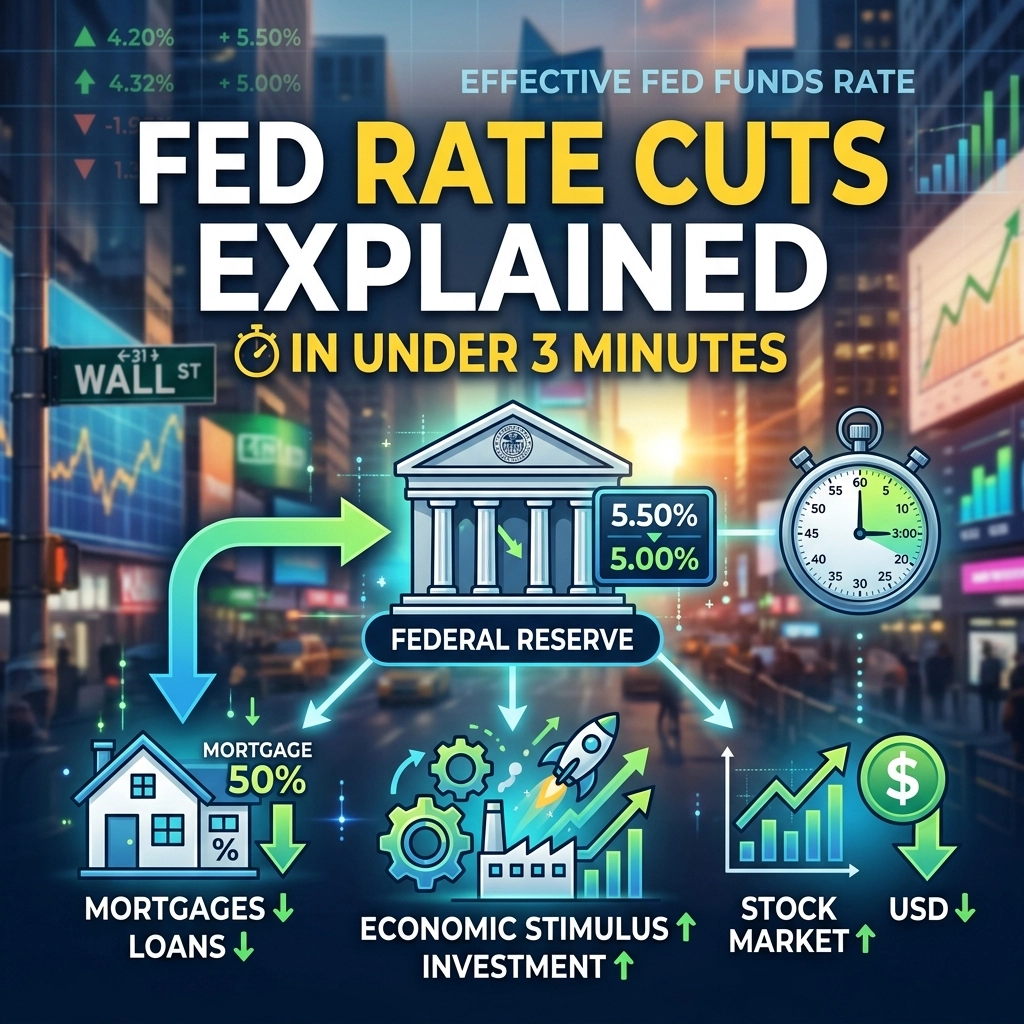
If everyone thinks the economy is going to boom because of AI, they start spending as if it already has. That surge in demand keeps inflation sticky. The Fed, looking at this, might decide they can’t lower interest rates as fast as they wanted to. For the regular guy, that means your car loan or your mortgage stays more expensive for longer, all because the "smartest guys in the room" are betting on a tech revolution that hasn't fully delivered yet.

A Parallel to the Medical Industry
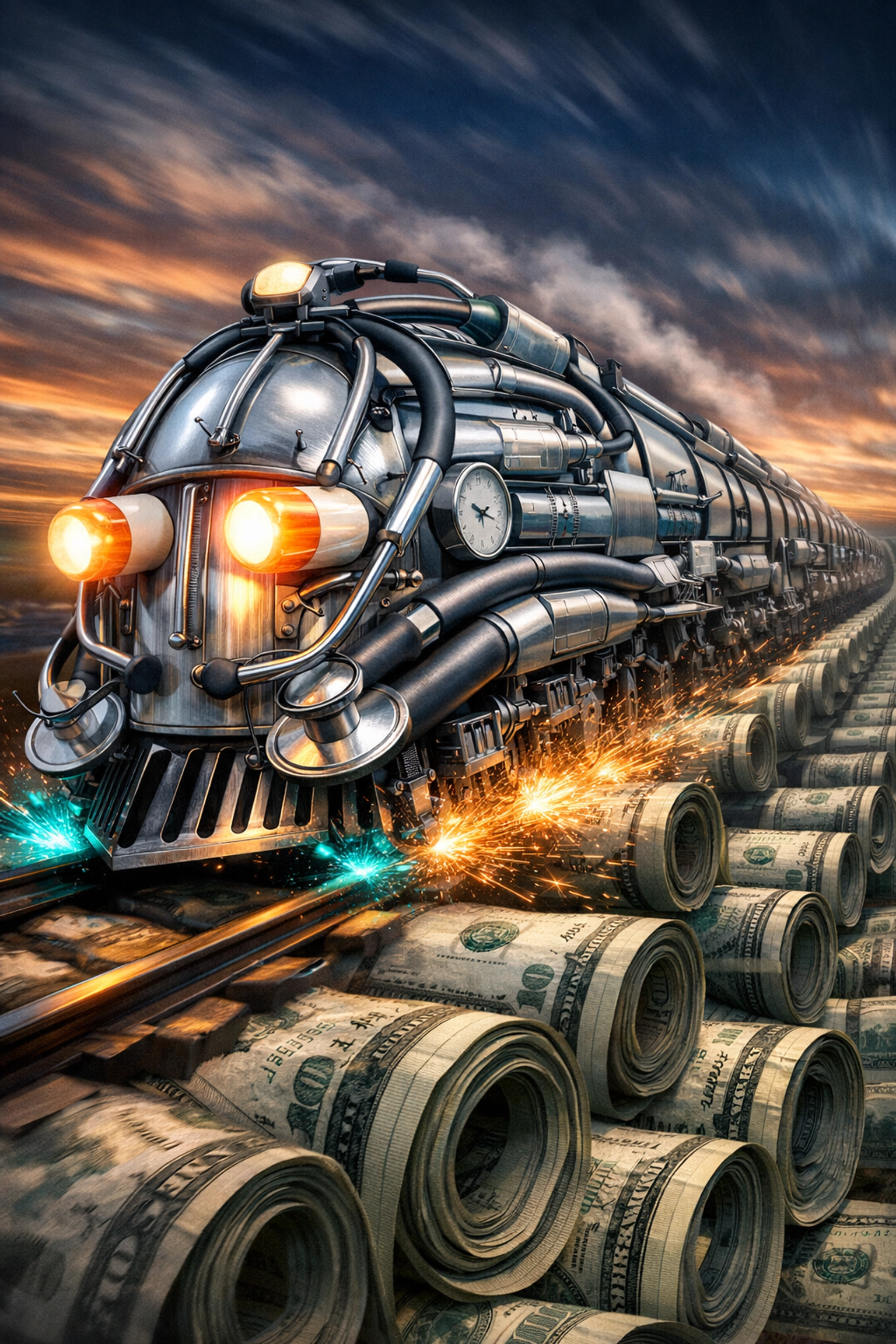
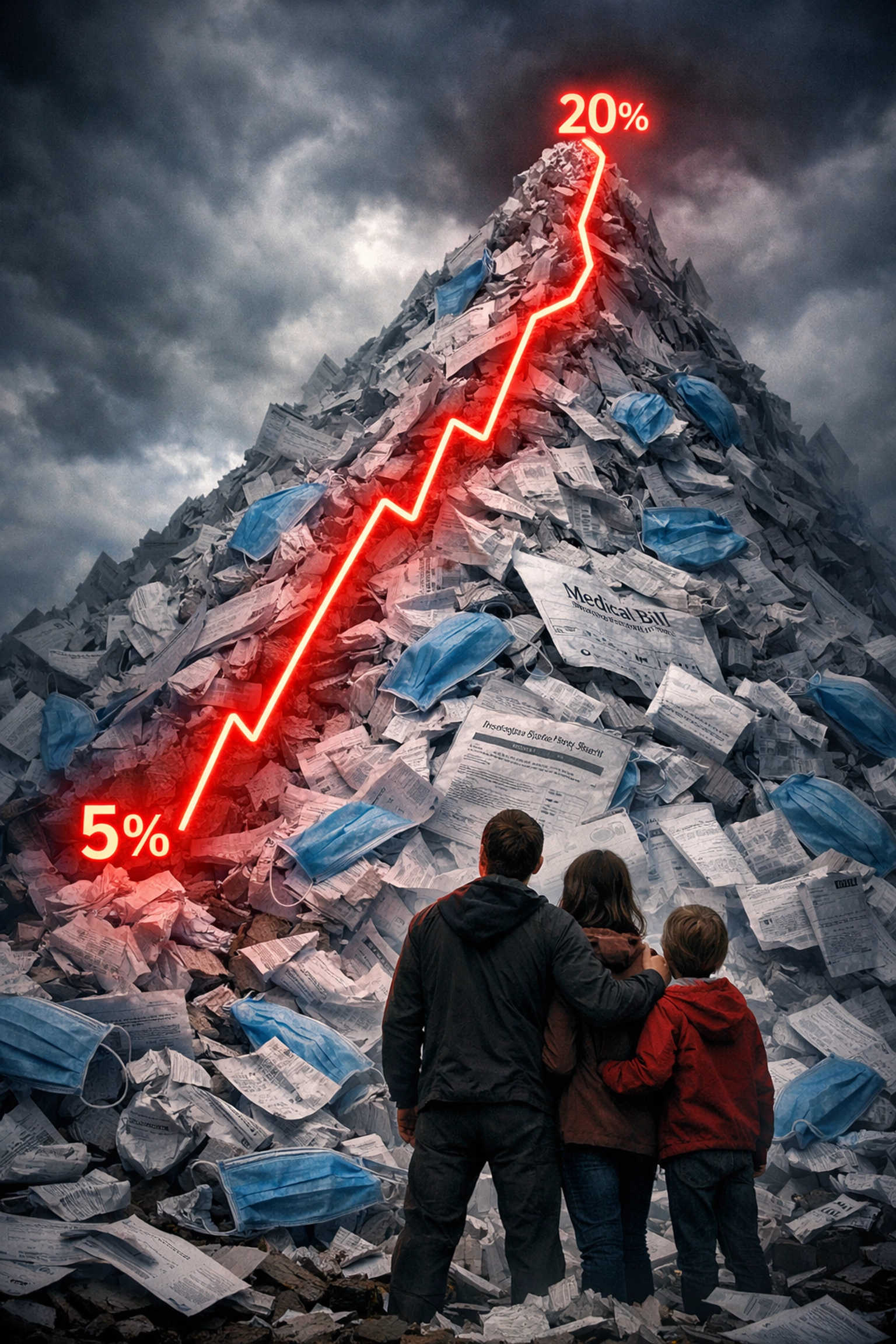
At Regular Guy Economics, we’ve talked a lot about how the medical industry is a runaway train of costs. Back in 1960, healthcare was about 5% of our GDP. By 2025, it’s looking to hit 20%. We’ve spent decades throwing money at "medical technology" and "pharmaceutical breakthroughs," yet we aren't necessarily healthier. We have more obesity, more diabetes, and for the first time, a generation that might not outlive their parents.
Why bring this up? Because it’s a cautionary tale of what happens when we throw money at a "solution" without looking at the underlying efficiency.
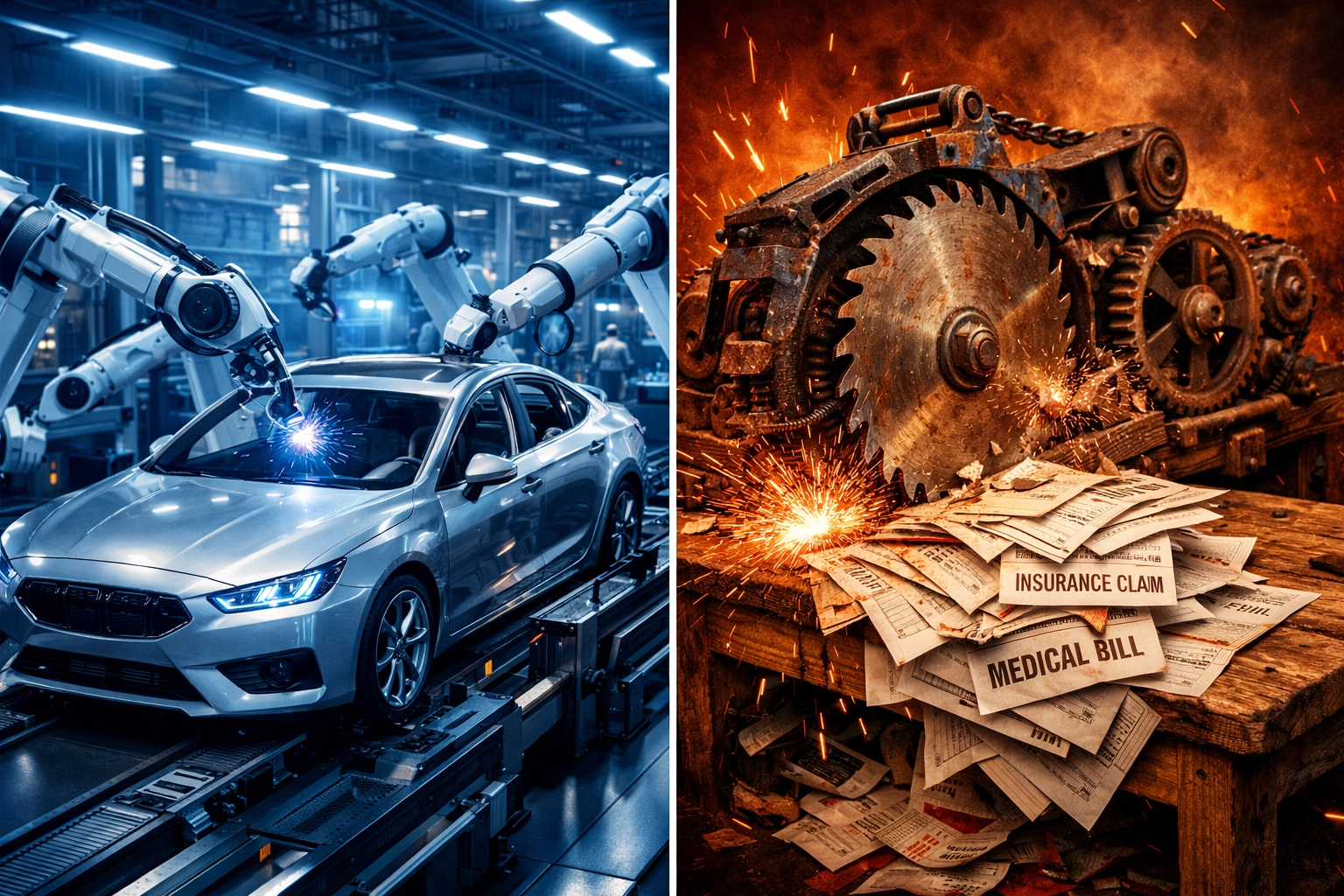
We’ve seen what happens when capitalism enters a space where the "repair prices" aren't known and the outcomes aren't guaranteed. In the medical world, the lack of transparency and the "profit-at-all-costs" mindset created a monster. AI runs the same risk. If we just throw trillions of dollars at AI to "optimize" things without actually lowering the cost of living for the average person, we’re just building a new version of the medical-industrial complex.
We need AI to do what Amazon, Berkshire Hathaway, and JPMorgan tried to do with their healthcare initiative: create a system "free from profit-making incentives and constraints" that actually drives costs down for the end-user. If AI just becomes a tool for corporations to "wring out the costs" of labor while keeping their prices high to satisfy shareholders, the "Regular Guy" loses twice. He loses his job to a bot, and he still pays a premium at the grocery store.
The "Shipping Tax" of the Digital Age
Remember how shipping disruptions in the Red Sea caused prices to spike at your local store? We call that a "Shipping Tax." AI is creating a similar "Digital Tax."
As every company from your bank to your favorite pizza chain tries to integrate AI, they are passing those development costs on to you. Have you noticed how every subscription service: Netflix, Spotify, your gym: is creeping up by a dollar or two every year? Part of that is the "AI Tax." They are all paying massive fees to cloud providers (who are paying massive fees for chips and power) to try and stay relevant.
Even if you aren't using "AI" to do your job, you are likely paying for someone else to use it. It’s baked into the price of the services you use every day.
Why You Should Care
So, why should the guy working a 9-to-5 care about all this fancy math?
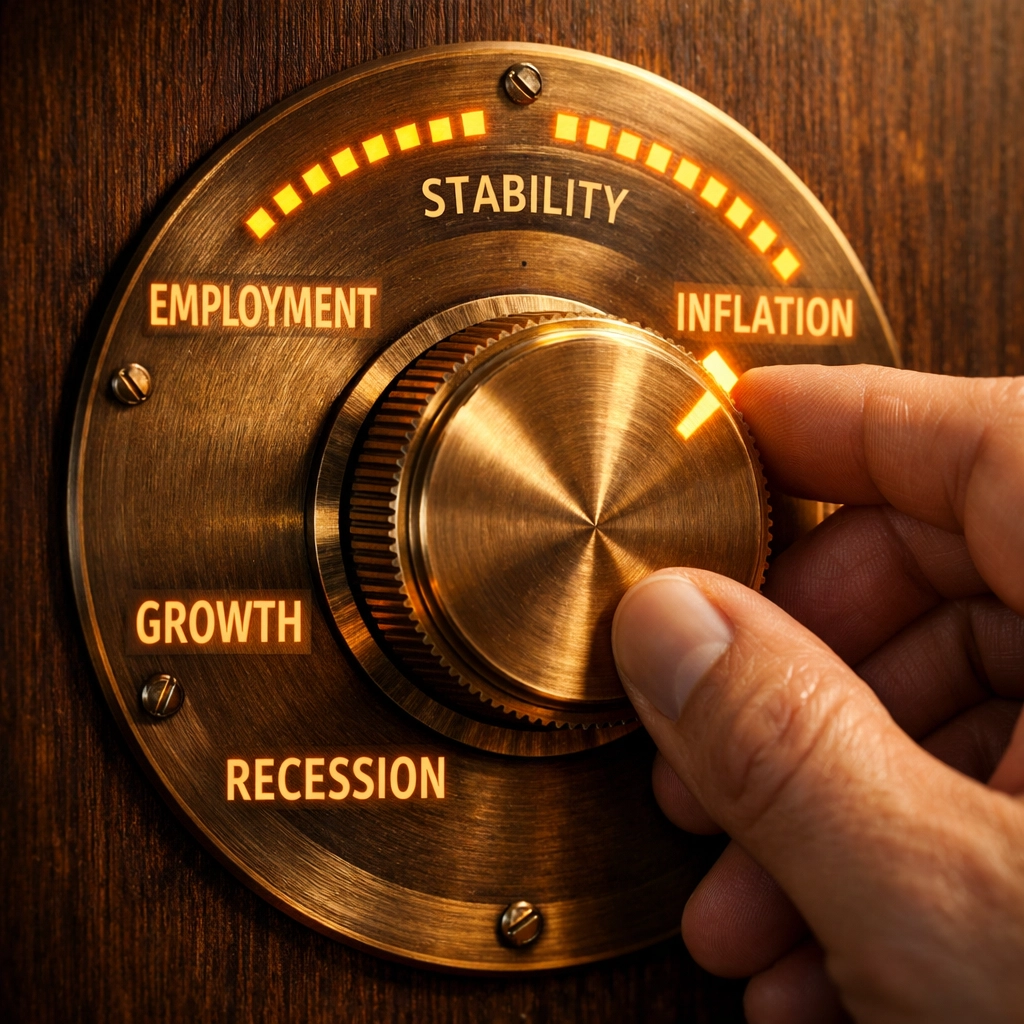
Because the "AI Inflation" cycle determines when you get a break. If the Fed sees that AI investment is keeping the economy "too hot," they’ll keep interest rates high. That means your credit card debt stays expensive. It means the "resurrection" of $5 gas or high grocery prices stays the norm rather than a temporary blip.
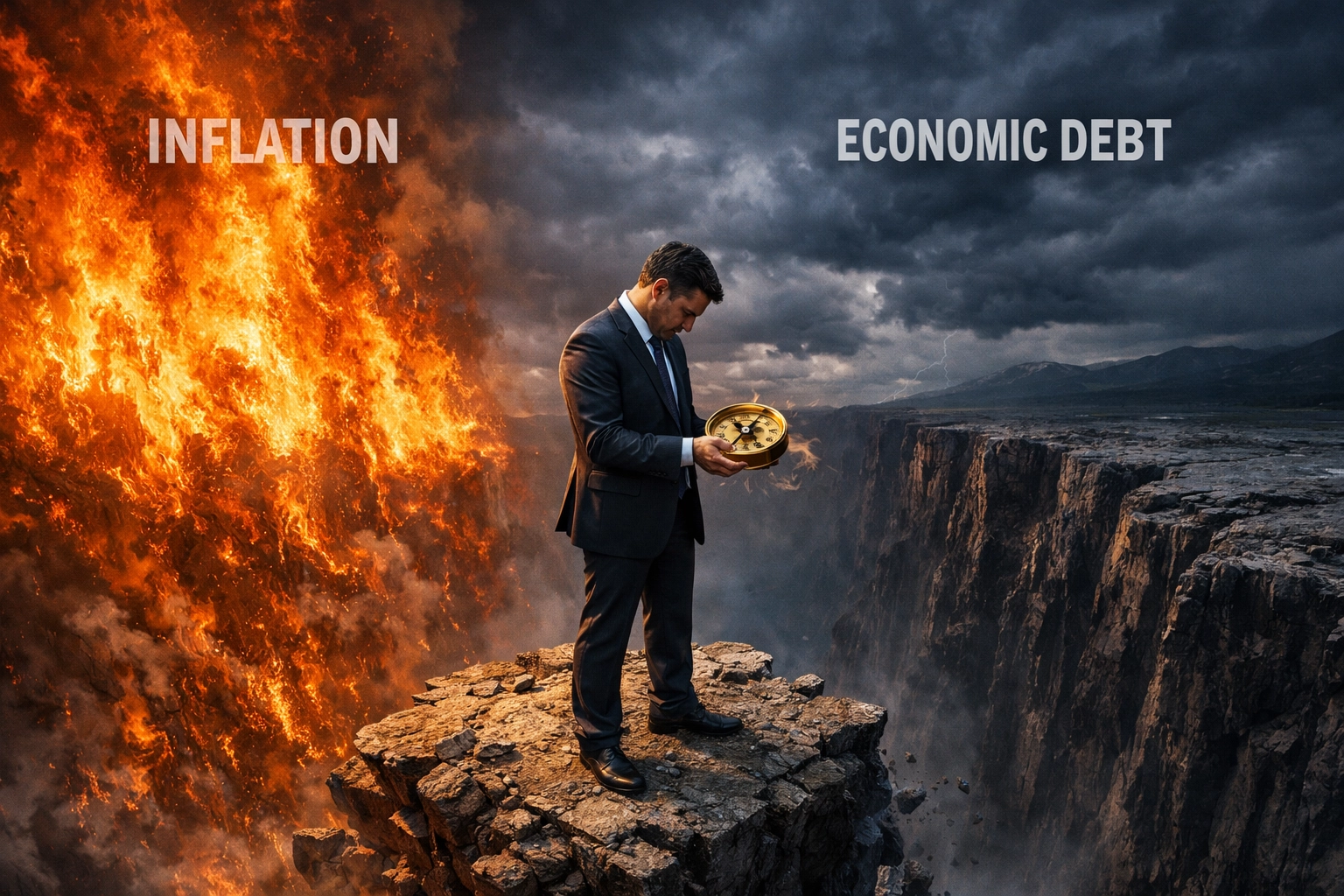
We are at a crossroads. AI has the potential to be the greatest cost-saving tool in human history. It could find ways to make energy cheaper, logistics more efficient, and healthcare more affordable. But right now, we are in the "investment bubble" phase.
We need to be mindful that we aren't just trading one set of high costs for another. We don't want a repeat of the medical industry's climb from 5% to 20% of GDP. We want technology that actually puts money back in the pockets of regular people.
The Bottom Line
Is AI going to save us? Maybe. But for the next few years, it might just make things more expensive. Between the massive demand for energy, the high cost of chips, and the speculative hype driving up investment, "AI Inflation" is a very real thing.
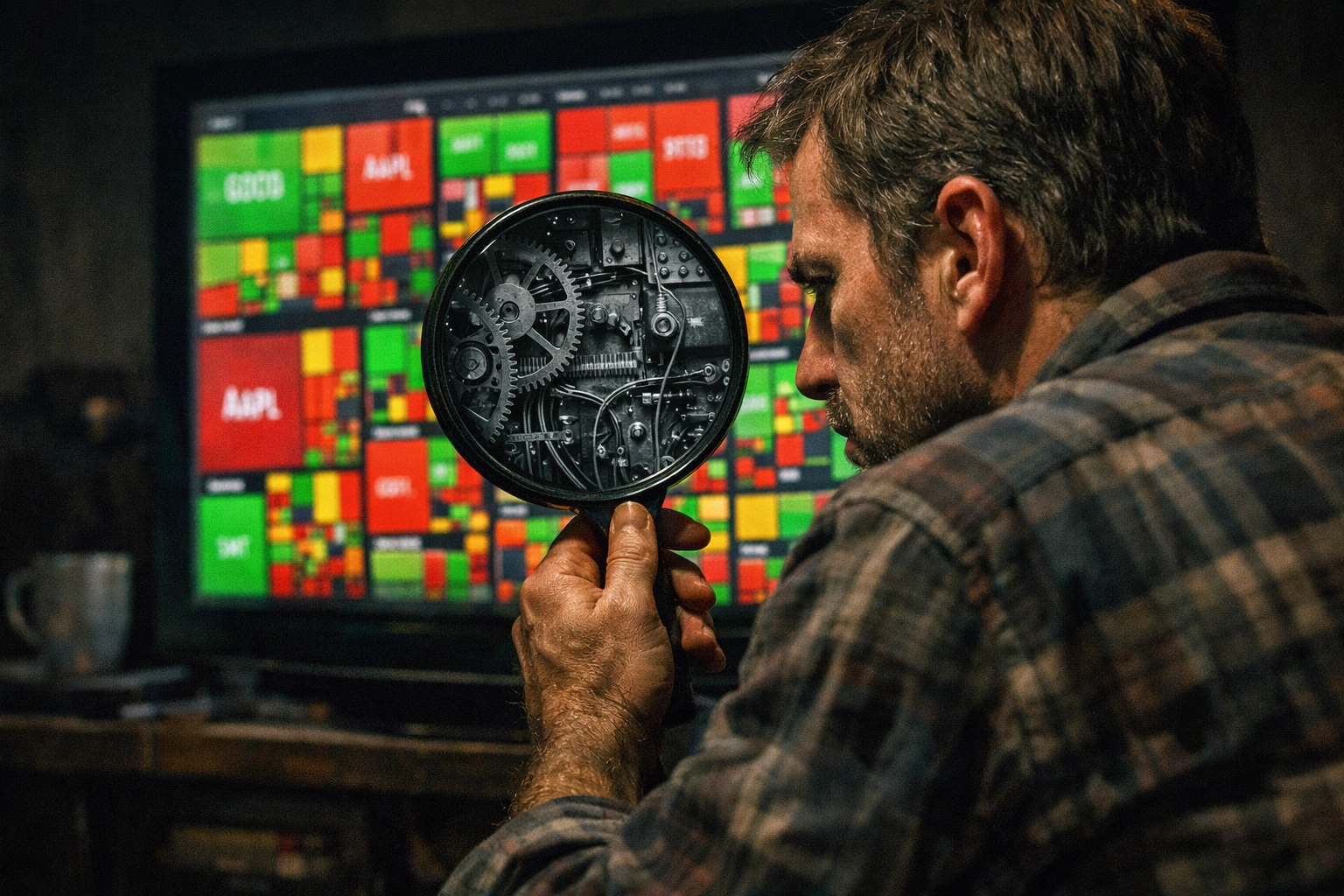
Don't be fooled by the flashy demos. Watch the prices of the things you actually use: electricity, rent, and subscriptions. That’s where the real story of the AI revolution is being written.
We’re in a period of transition. It’s like building a new highway: eventually, it’ll make the commute faster, but right now, you’re stuck in traffic, breathing in construction dust, and paying a toll for the privilege.
Keep your eye on the ball, don't get swept up in the hype, and remember that at the end of the day, economics is about how much you have left in your pocket when the Friday direct deposit hits.
Be mindful, be watchful and good luck.