



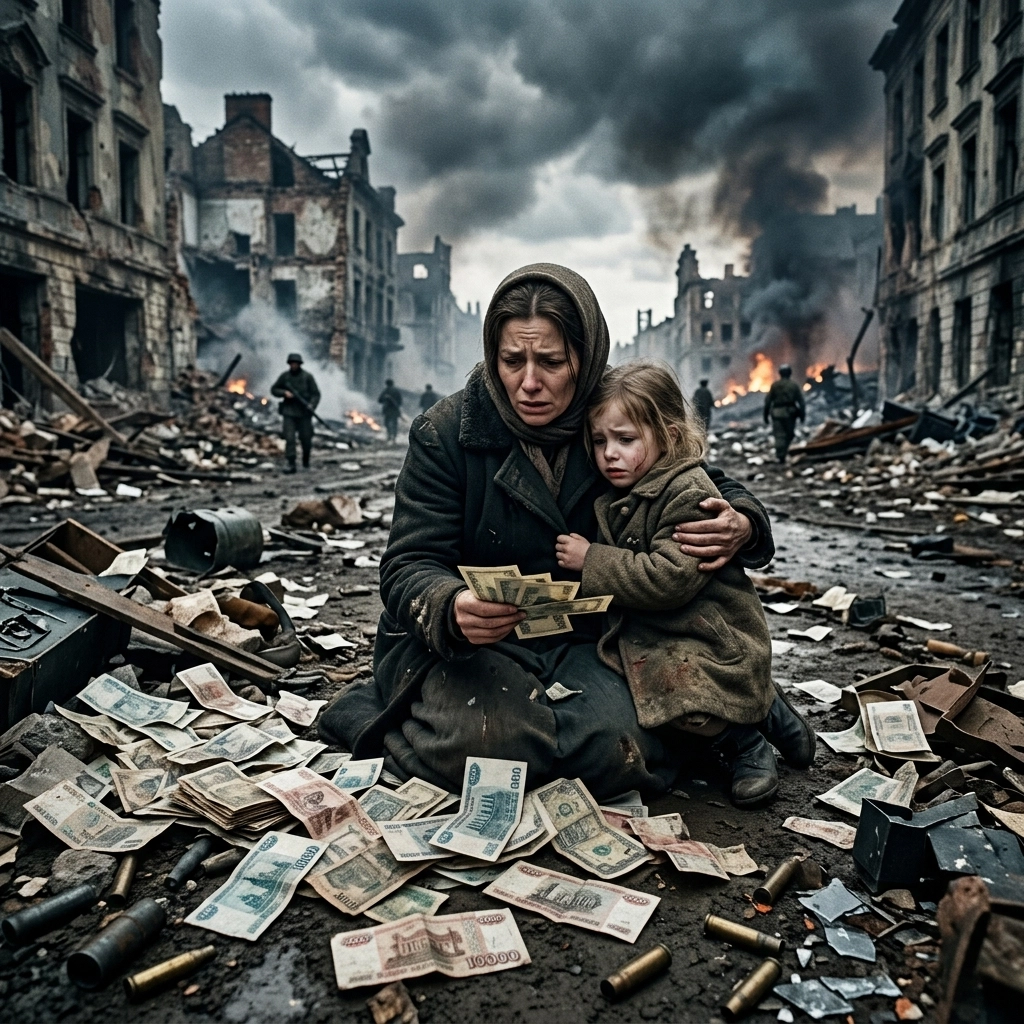
Let’s be real for a second: most of us don’t spend our Friday nights thinking about the Iranian Rial. We’re usually more worried about the price of eggs at the local grocery store or whether the gas station down the street is still charging four bucks a gallon. But what’s happening right now in the Middle East, specifically inside the Iranian economy, is a masterclass in how fast things can go south when a country decides to trade its financial future for a war.
Last week, we saw some wild headlines. A ceasefire was announced, the Dow went on a tear, and oil prices took a 16% dive. But behind those big numbers is a much darker story about what happens when a currency doesn't just "dip," but actually collapses.
When a currency dies, it doesn’t go quietly. It takes everyone’s savings, businesses, and stability with it. Today, we’re looking at the anatomy of a currency collapse and why a desperate neighbor with a broken wallet makes the whole world a much more volatile place.
The Math of a Meltdown
If you want to understand how a currency collapses during a war, you have to look at the government’s checkbook. Most governments are already pretty bad at balancing their books, but war makes them toss the book out the window entirely.
Here is how it usually goes: A country gets into a conflict. Suddenly, they need to buy a lot of expensive things, drones, missiles, fuel, and salaries for soldiers. At the same time, their usual ways of making money (like selling oil or manufacturing goods) get disrupted. The gap between what they spend and what they earn becomes a canyon.
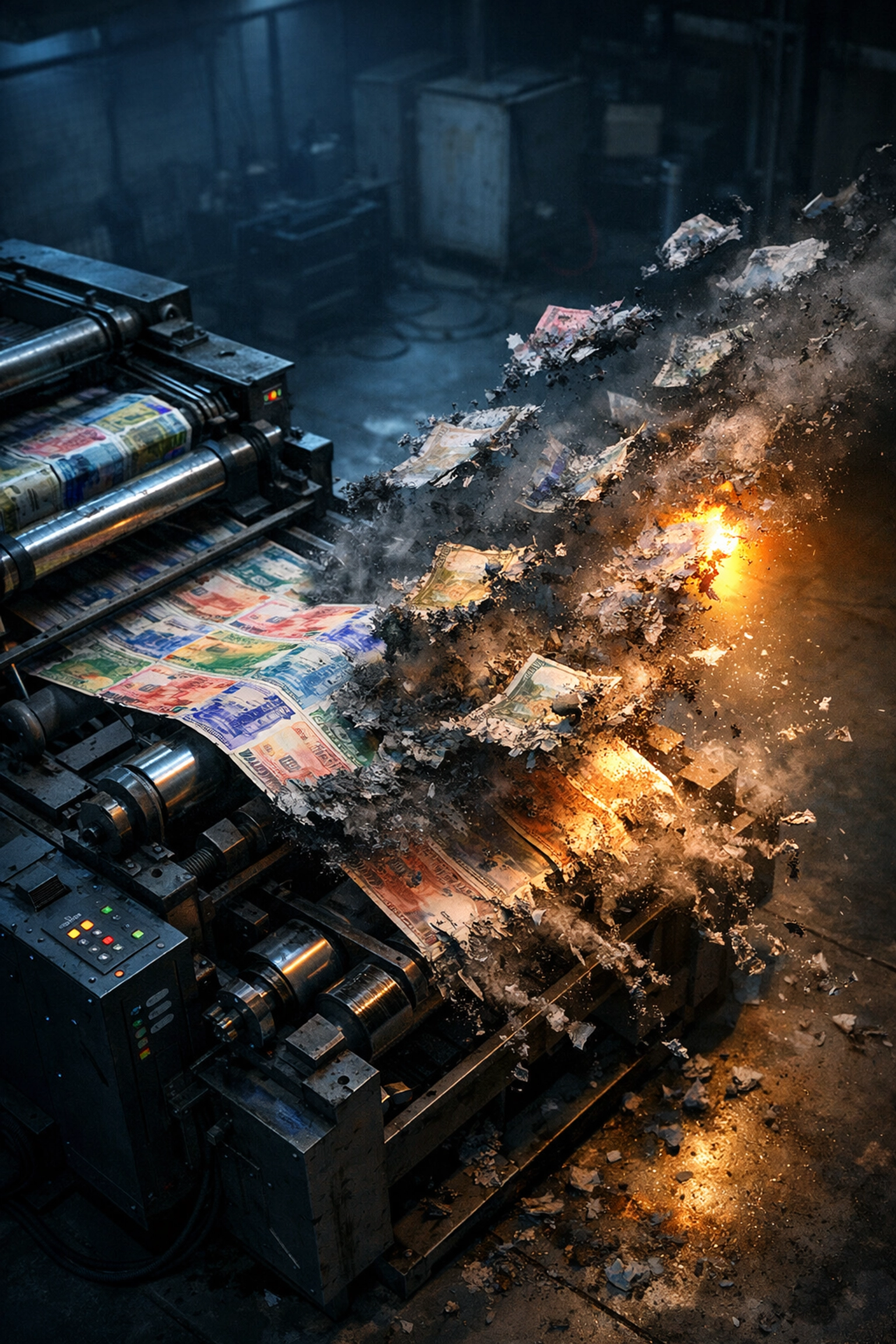
So, what do they do? They print more money.
Economists call this "debt monetization," but for the regular guy, it just means the government is making the money in your pocket worth less every single day. In Iran, the Rial has been in a freefall for years, but the recent escalations have pushed it past the breaking point. When you have more paper chasing fewer goods, prices don't just go up, they explode.
Life Inside the Collapse
Imagine waking up and realizing your paycheck buys 20% less than it did last Tuesday. That is the reality for millions of people inside Iran right now. When a currency collapses, the first thing people do is try to get rid of it. They buy gold, they buy US dollars, or they buy literally anything that won't lose value by lunchtime.
This creates a "panic loop." As everyone tries to sell the local currency, the value drops even further.
Inside Iran, this has led to a massive humanitarian mess. Basic medicines are becoming impossible to find because the companies importing them can't get "hard" currency like dollars or euros to pay their suppliers. Food prices are skyrocketing. This isn't just "inflation" like we talk about at the Fed meetings; this is survival mode.
When a person is hungry and their life savings have been wiped out, they get desperate. And when a whole country gets desperate, they start making moves that aren't exactly "rational" in an economic sense. This is where the local problem becomes a global headache.
Why a Desperate Neighbor is Bad for Your 401(k)
You might think, "Okay, that’s sad for them, but how does it affect me?"
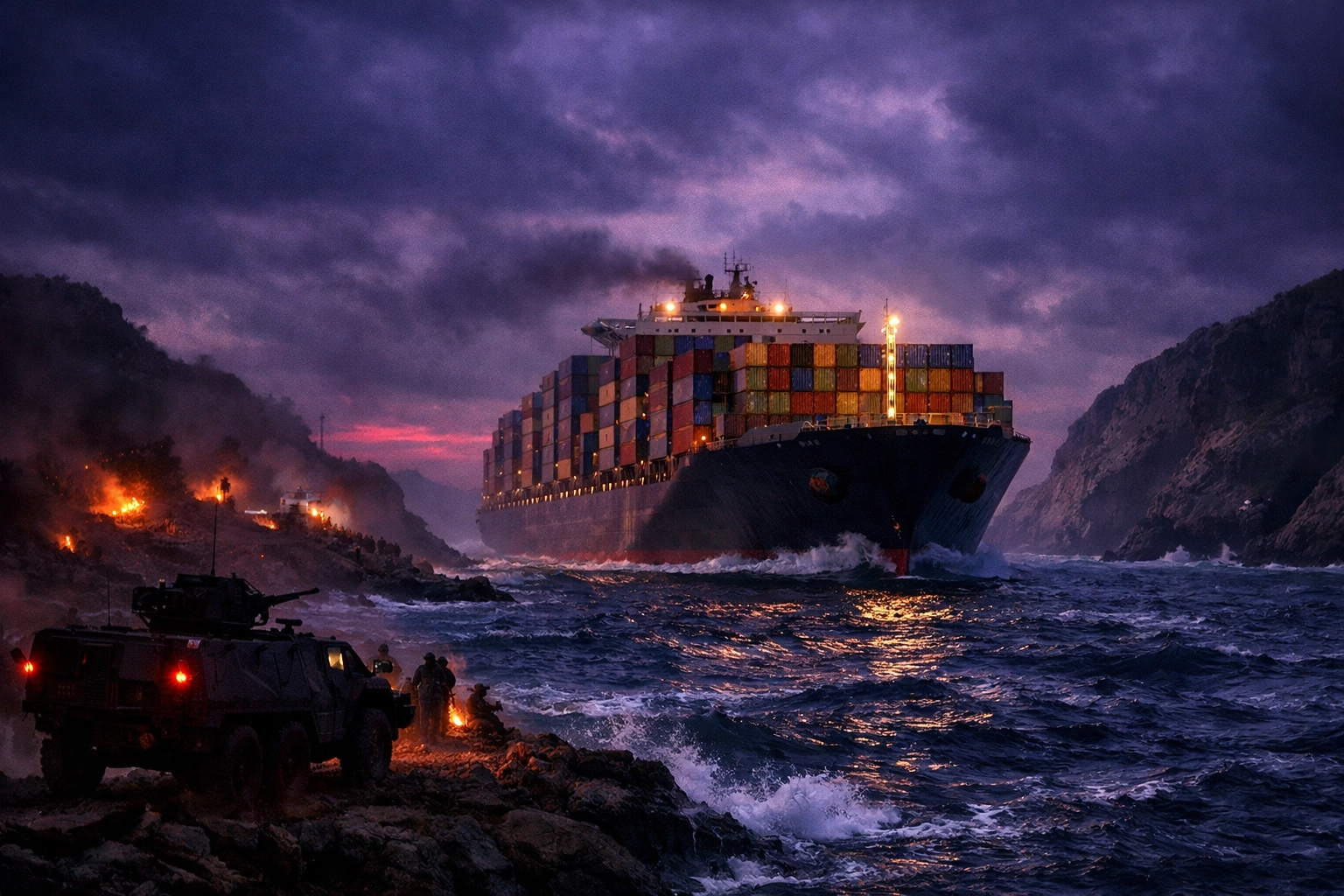
Here’s the deal: Economic desperation is a massive driver of global volatility. A country with a collapsing currency is a country with nothing left to lose. We saw this last week with the situation in the Strait of Hormuz.
Iran needs cash. Since their currency is worthless on the international stage, they have to find other ways to exert pressure or generate revenue. This leads to things like "permit fees" for shipping or "Pay-to-Pass" schemes in the Gulf. Even with a ceasefire in place, the underlying economic rot doesn't go away.
When shipping companies see a volatile neighbor acting out because their economy is in the gutter, insurance rates for those ships go through the roof. Those insurance costs get passed down the line, and suddenly, that 16% drop in oil prices doesn't lower your gas bill because the cost of moving that oil stayed high.
The Ghost of Weimar Germany
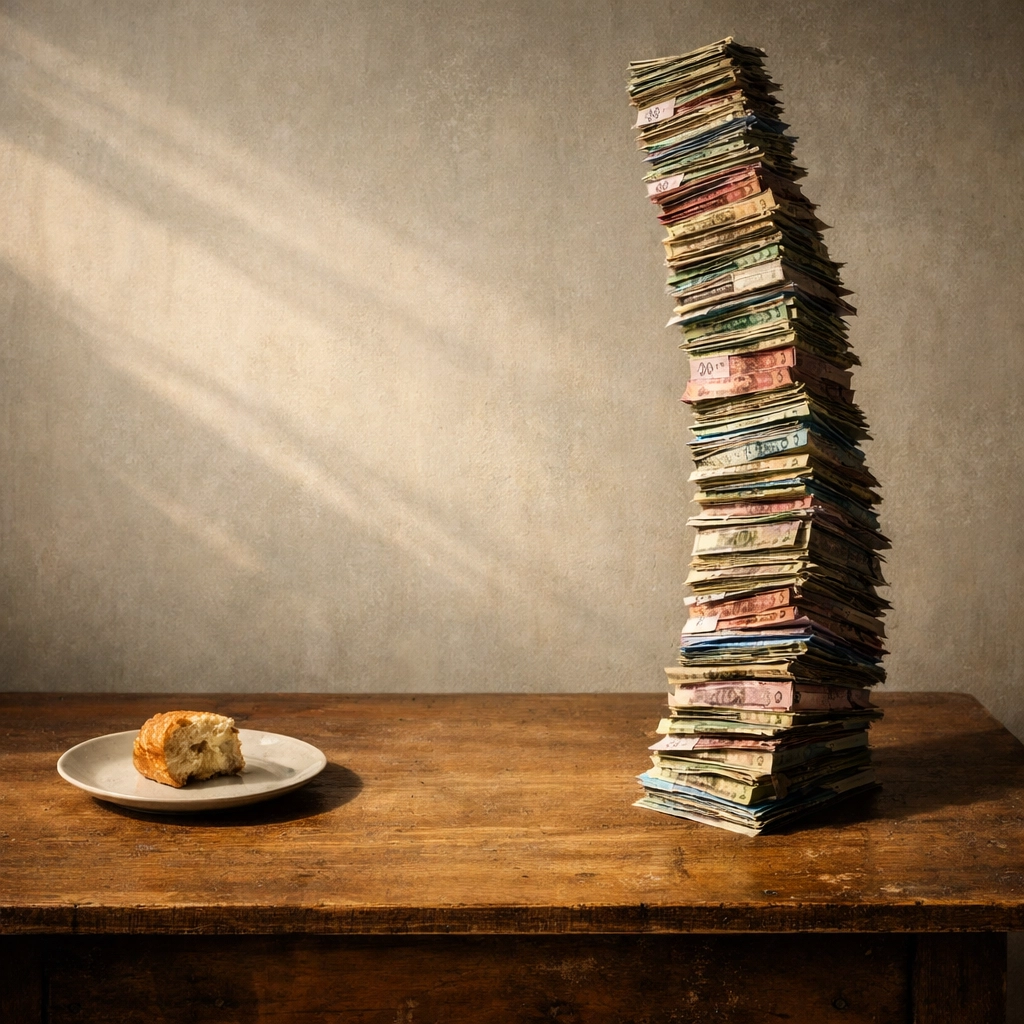
History has a funny way of repeating itself, and the script for war inflation was written a long time ago. Think back to Germany after World War I. The Weimar government was buried in debt and had a broken economy. Their solution? Print so many marks that people literally used them as wallpaper because the paper was worth more than the denomination printed on it.
In 1922, a loaf of bread in Germany cost 160 marks. By late 1923, that same loaf cost 200 billion marks.
While Iran isn't quite at the "wallpaper" stage yet, the trajectory is the same. War disorganizes production. It breaks trade flows. It turns productive factories into targets. When you combine that with a central bank that is essentially a printing press for the military, you get a recipe for hyperinflation that can take decades to fix.
The "War Inflation" Trap
The research shows a pretty grim pattern: countries in conflict zones usually see their economic output fall by about 30% while inflation jumps by 15% or more. This is the ultimate "stagflation" nightmare: the economy is shrinking, but everything is getting more expensive.
But it’s not just the country at war that feels the heat. Neighbors who aren't even involved in the fighting see their own economies take a hit. On average, neighboring countries see a 10% drop in output. Why? Because trade stops, refugees need help, and the general "vibe" of the region becomes toxic to investors.
In our modern, interconnected world, we are all "neighbors" to some extent. When the Iranian Rial hits the floor, it sends shockwaves through the oil markets, the shipping lanes, and the halls of the US Treasury.
What We Can Learn from This
At Regular Guy Economics, we always try to look at the human side of the spreadsheets. The collapse of the Rial isn't just a line on a chart; it’s a warning. It’s a reminder that a stable currency is the bedrock of a civil society. When a government prioritizes conflict over a stable dollar (or Rial, or Euro), the regular guy is always the one who pays the bill.
The ceasefire we saw last week is a temporary band-aid on a massive, gaping wound. Even if the shooting stops for fourteen days, the economic damage done by years of war inflation will take years: maybe generations: to heal.
As we watch the markets react to every headline, keep your eye on the currencies. If the Rial continues to tank, it means the desperation is growing. And a desperate neighbor is never a quiet one.
We’re living in a time where "peace" is often just a pause between price hikes. The best thing we can do is stay informed, understand the "why" behind the "what," and keep our eyes on the bigger picture. The economy isn't just about the Dow hitting a new high; it's about whether the average person can afford to live their life without the floor falling out from under them.
The world is a messy place, and the economy is the mirror that reflects that mess. Stay sharp out there.
Be mindful, be watchful and good luck.