



Look, if you thought 2025 was wild, buckle up. The economists are basically throwing darts at a board blindfolded when it comes to predicting what's next. But hey, that's what makes this stuff interesting, right?
Here's the thing about economics – it's like watching a soap opera where nobody knows the script and everyone's making it up as they go along. One day the dollar is supposedly dead, the next day it's staging the comeback of the century. One minute AI is going to steal all our jobs, the next minute it's going to make everything so cheap we'll be swimming in abundance.
So let's dive into the weirdest economic stories brewing for 2026. Trust me, reality is about to get stranger than fiction.
The Great Dollar Plot Twist Nobody Saw Coming
Remember all those experts who spent 2025 telling us the dollar was toast? Yeah, well, they might want to update their resumes.
Here's the kicker – the U.S. dollar could actually strengthen significantly in 2026, and not because of some grand conspiracy or monetary magic trick. It's simpler than that: America might just outperform everyone else economically. While Europe struggles with its usual bureaucratic slowdown and Japan keeps doing… whatever Japan does with its economy these days, the U.S. could be cruising ahead.
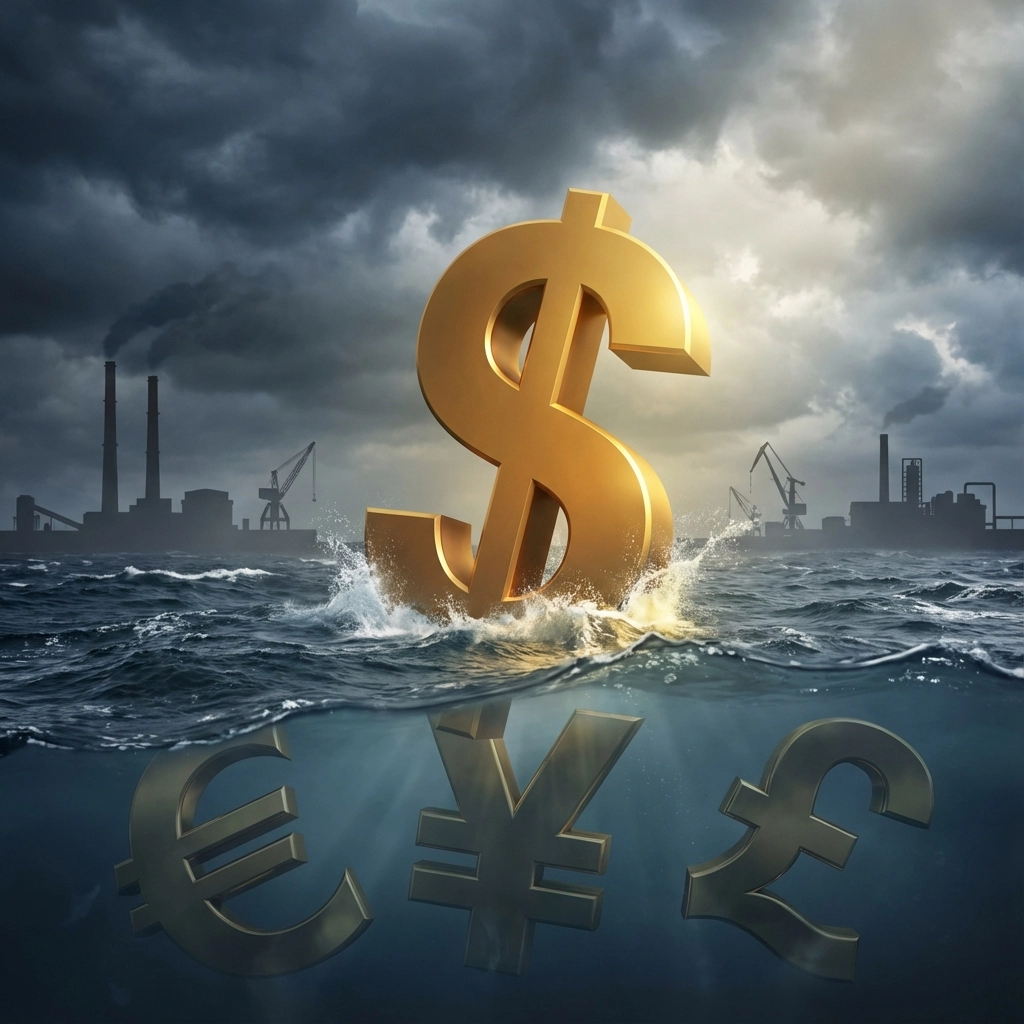
But wait, there's more! This isn't just about looking good compared to your neighbors. American investments are offering better real returns than major rival currencies. It's like being the least ugly person at an ugly contest – not exactly a compliment, but you'll still win.
The really wild part? This dollar strength could trigger what economists are calling a "real economy boom." Translation: all that money that's been sitting in fancy tech stocks might suddenly rush toward old-school industries like manufacturing, materials, and energy. It's like watching everyone abandon the cool kids' table to sit with the shop class.
When Robots Make Everything Cheap (The Good Weird)
Now here's a story that sounds like science fiction but might actually happen: the "deflationary boom."
Picture this – AI and robots get so good at their jobs that they start making everything ridiculously efficient. Companies' profit margins expand like crazy, but instead of prices going up, they actually go down. It's like having your cake and eating it too, except the cake costs half as much as it used to.
This scenario has tech investors practically drooling. If productivity gains from AI are as massive as some people think, we could see tech stock valuations shoot through the roof while bond yields fall. It's the economic equivalent of finding a twenty in your old jeans pocket, except the twenty turns into a hundred.
But let's be real – when has anything in economics ever been that simple?
The Debt Party That Never Ends (Until It Does)
Speaking of things being too good to be true, let's talk about the current credit situation. Right now, U.S. capital markets are basically throwing money at everything that moves. Got an AI project? Here's some cash. Running a barely profitable "zombie company"? Sure, have some more funding.

Lending standards have gotten so loose, they're practically non-existent. It's like 2008 all over again, except this time we're funding robot dreams instead of subprime mortgages. The scary part? There are basically no safeguards in place if multiple stress factors hit at once.
Imagine if the dollar surge, inflation concerns, and an AI bubble burst all happened simultaneously. It would be like a perfect storm of financial chaos, except instead of rain, it's money evaporating into thin air.
Corporate Towns: Because What Could Go Wrong?
Here's where things get dystopian fast. Picture this scenario: struggling towns across America get seduced by "Patriotic Innovation Zones" – basically fancy corporate tax havens disguised as economic development.
Tech companies swoop in promising jobs and prosperity. Towns sign one-sided agreements giving these corporations control over zoning, policing, and even worker housing. It sounds like a great deal until the promised jobs disappear, but the companies still control everything.
The end result? Towns become corporate fiefdoms where the tax base collapses and companies eventually bail after extracting whatever data and land concessions they wanted. It's like company towns from the 1800s, except with better Wi-Fi and worse labor protections.
When Mother Nature Crashes the Housing Market
Climate change is about to get very real for homeowners, and not in the way most people expect. Forget gradual sea level rise – we're talking about insurance companies suddenly tightening their belts on climate risk.

Imagine waking up to find your home insurance premium has jumped to thousands of dollars, or worse, finding out you can't get coverage at all. Home values would plummet in affected areas faster than you can say "natural disaster." For the first time in American history, climate risk could literally dictate where people can afford to live.
It's not just about hurricanes and wildfires anymore. Insurance companies are getting smarter about risk assessment, and when they decide your neighborhood is too risky, good luck selling your house.
The AI Revolution Meets Social Reality
Here's the scenario that keeps economists up at night: What happens when AI makes some people incredibly wealthy while leaving everyone else behind?
We're talking about a "K-shaped economy" on steroids – high-income workers and AI-enhanced businesses soar to new heights while low-to-mid-income workers get left in the dust. The frustration builds until it boils over into social unrest in major cities.
The government's response? Universal Basic Income for everyone. Sounds great, right? Wrong. Markets would crash immediately as investors price in higher inflation, massive deficits, and accelerating public debt. And naturally, this would all happen right before midterm elections because economic timing is always perfect like that.
The Venezuela Wild Card
Remember Venezuela? That country with more oil than Saudi Arabia but an economy that makes a garage sale look organized? Well, they might be about to become a major player again.
If a pro-U.S. government takes power there, they could dramatically increase oil production, potentially crashing global oil prices and reshaping geopolitics overnight. Traditional oil powerhouses would lose influence while America's inflation problems get easier to solve.
It's like finding out the quiet kid in class has been sitting on a nuclear bomb this whole time – except the bomb is oil, and it could blow up OPEC instead of everything else.
The Emerging Market Slowdown
While all this chaos unfolds in developed countries, emerging markets are facing their own problems. Asia-Pacific countries are expected to see real GDP growth slow down as the tariff-driven boost from 2025 fades away.

Countries that front-loaded their exports to beat tariff deadlines are now facing the hangover. Export prospects look weak, and while some central banks might ease monetary policy to compensate, it's like putting a band-aid on a broken leg.
Making Sense of the Madness
So what does all this mean for regular folks? Well, 2026 is shaping up to be a year where traditional economic wisdom goes out the window. The dollar might strengthen when experts say it should weaken. Technology might cause deflation instead of job losses. Climate risk might crash housing markets faster than any recession.
The key is understanding that these aren't just academic scenarios – they're real possibilities that could reshape how we live, work, and invest. Whether we get the deflationary boom, the debt crisis, the corporate dystopia, or some combination of all three, one thing is certain: it's going to be weird.
The best strategy? Stay informed, stay flexible, and don't bet everything on what the experts say will happen. Because if 2026 teaches us anything, it's that the economy has a sense of humor – it's just not very funny when it's your money on the line.
Be mindful, be watchful and good luck!