



Cinco de Mayo week is over. The mariachi has packed up, the streamers are in the trash, and the $14 margarita debate can go back into hibernation until next year. But the economic hangover is still sitting at the table.
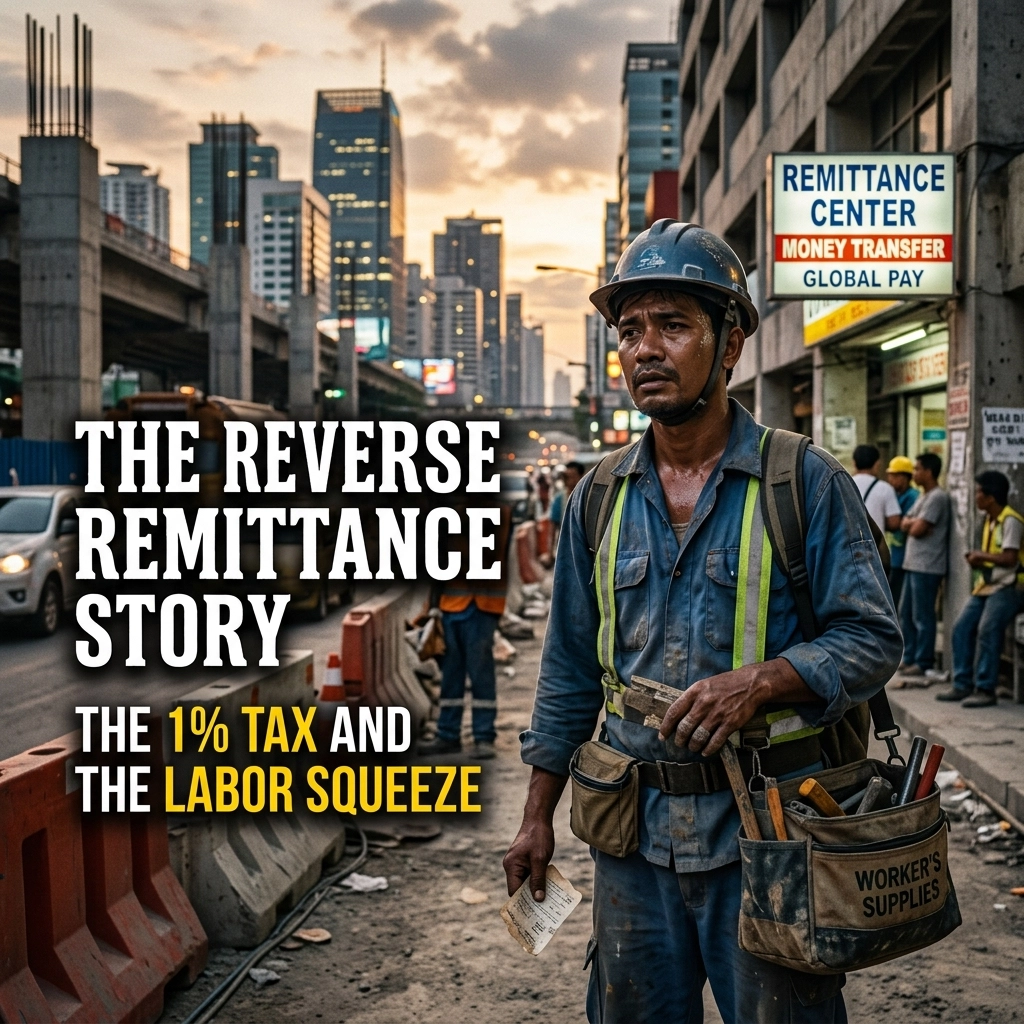
If you were out at a crowded Mexican restaurant this week, take a look around at who kept the place moving. The person clearing your table, the cook working the flat top, and the crew that landscaped the patio before lunch are all living inside a different kind of policy story: the 1% cash remittance tax that kicked in on January 1, 2026.
Now here we are on Friday, May 8, five months into the tax, and the numbers are not exactly sending back party vibes. We’ve now seen six straight months of declining remittances. That matters because remittances are not some abstract line item for economists to mumble about on cable TV. They are the reason a lot of workers come here, stay here, and grind through the hard jobs nobody else is exactly stampeding to take. This isn’t just a border story. It’s a labor squeeze story, and it lands right in your neighborhood when you can’t find a contractor or your local diner suddenly cuts hours because it can’t keep a full crew.
The "Tiny" 1% Tax That Isn't Tiny at All
When the tax was sold politically, the pitch was basically: relax, it’s only one penny on the dollar. No big deal. Move along. Nothing to see here.
But if you’re a Regular Guy working a 60-hour week in roofing, kitchens, cleaning, concrete, or landscaping, that penny is not some rounding error. The 1% federal excise tax applies to cash-funded remittance transfers, which means it lands hardest on the workers least likely to have traditional bank access. If you’re moving money digitally through the right channels, you may dodge it. If you’re standing at a counter with cash after a long week of work, you’re the target.
And this is where the math gets ugly. Before the tax, sending money was already expensive. Add another 1% to a system that already charges meaningful fees, and the total burden climbs fast. For somebody sending $1,000 a month home, that extra bite adds up over a year. In a world where the dollar has also lost roughly 10% of its purchasing power since early 2025, every extra dollar skimmed off the top hurts twice: once here, and once when it lands back home and buys less.
That’s why this thing matters. It’s not just about tax revenue. It changes the incentive structure for the exact workers who keep low-margin, labor-heavy parts of the American economy alive.

The Six-Month Slide: Why the Money is Staying Put
We’ve now got six straight months of declining remittances, and that is a flashing red light. When the money flow weakens for half a year in a row, it tells you the worker on the other end is doing new math.
That math is simple. If the cost of sending money goes up, and the dollar itself buys about 10% less than it did in early 2025, then the payoff for working brutal hours in the U.S. starts looking a whole lot less magical. The old formula was hard but clear: come here, work hard, send money home, help your family get ahead. The new formula has more leakage in every direction.
That leaves workers with a few choices:
- Work more hours.
- Spend more of that money in the U.S. instead of sending it home.
- Find a workaround.
- Leave, or never come in the first place.
That fourth option is where the labor squeeze starts tightening. If you’ve tried to book a painter, a roofer, a framing crew, or even just noticed your local diner closing early because it can’t cover the shift, you’re seeing the downstream effect. Policy people can call it enforcement, revenue, or modernization. Regular people just notice that the hammer stops swinging and the lunch counter closes at 2:00.
The Labor Squeeze: When the Hammer Stops Swinging
This is where the story leaves Washington and shows up on Main Street. When remittances fall for six months in a row, it suggests the immigrant workforce, which carries a big piece of construction, hospitality, food service, cleaning, and landscaping, is feeling squeezed hard enough to change behavior.
If you run a small business, you already know the problem. It’s not just wage pressure. It’s worker availability. You can raise pay a bit, shuffle schedules, and beg your remaining crew to cover one more weekend, but if the labor pool itself gets thinner, eventually something breaks. A contractor delays the job. A restaurant closes on Mondays, then Tuesdays, then maybe lunch altogether. The service economy starts running like an old pickup with three bad spark plugs.
I was talking to a buddy who runs a landscaping business in North Carolina, and his read was dead simple: the workers are still willing to grind, but the reward side of the equation is weaker. The 1% tax takes a cut, living costs in the U.S. stay high, and the dollar buys less than it did in early 2025. So the "American Dream" spreadsheet doesn’t balance like it used to. For some workers, that means moving to a cheaper state. For others, it means going home. For employers, it means one more help-wanted sign and one more apologetic text to customers.
That’s the labor squeeze. We are taxing part of the economic purpose that brought many of these workers here in the first place, then acting surprised when it gets harder to keep crews staffed and diners open.

Mexico’s High-Tech Workaround: The Finabien Card
Of course, workers and governments do not just sit there and take a hit forever. They adapt. And Mexico’s most interesting adaptation so far has been the Finabien card.
Financiera para el Bienestar, or Finabien, is Mexico’s digital workaround to the U.S. cash remittance tax. The basic idea is pretty straightforward: if the tax punishes cash-funded transfers, then push workers toward a card-based or digital route and go around the toll booth. That does not erase the economic pressure, but it does give workers a way to avoid getting clipped every time they try to help family back home.
It’s a smart move because it turns a tax problem into a technology race. The U.S. built a tax around cash. Mexico responded by trying to pull more workers into a digital rail. That may reduce the tax take Washington hoped for, but more importantly, it shows that workers are not passive players in this game. They are constantly searching for the cheapest lane available.
So yes, the labor squeeze is real, but so is the workaround culture. The Finabien card is basically a reminder that when government creates friction, regular people usually start looking for grease.
The Cinco de Mayo Reality Check
So now that Cinco de Mayo week is in the rearview mirror, here’s the Friday wrap-up: the party ends, but the math does not. The 1% remittance tax is still here. We are five months into it. Remittances have now fallen for six straight months. The dollar has lost about 10% of its purchasing power since early 2025. And the people doing some of the hardest work in America are being asked to make that equation somehow still pencil out.

That is why the focus stays on the labor squeeze. This is not a think-tank abstraction. It’s whether the framing crew shows up, whether the landscaping company can stay on schedule, whether the diner can stay open through the week, and whether small business owners can find enough hands to keep the lights on.
The Finabien card tells you the workaround is already underway. Workers, families, and governments are adapting in real time. But even a clever digital workaround does not change the bigger picture: the "American Dream" math is changing for the workers who keep our world running. If the costs of being here keep rising while the value of what they send home keeps shrinking, fewer people will make the same choice.
That’s the Friday Regular Guy reflection. Economies are not held together by speeches, hashtags, or some consultant’s slide deck. They are held together by cooks, roofers, cleaners, landscapers, dishwashers, and crews willing to work long hours so somebody else’s world stays convenient. When their math changes, our world changes with it.
Be mindful, be watchful and good luck.