



Remember when your parents bought a house with a 15% mortgage rate in the 1980s and thought they got a good deal? Or when your savings account actually paid you something worth mentioning? Interest rates are the invisible hand that touches everything in your wallet, from your mortgage payment to what you earn on that emergency fund sitting in the bank.
Here's the thing: 2026 isn't your grandfather's economy, and it's definitely not 2021 anymore. Interest rates are doing something they haven't done in a generation, and if you're planning to buy a house, finance a car, or just keep your savings from turning into wallpaper, you need to understand what's happening.
Where We Stand Right Now
The Federal Reserve, the folks who essentially set the temperature for the entire economy, has the federal funds rate parked at 3.5–3.75%. That's the baseline rate that cascades down to everything else: your mortgage, your car loan, your credit card, even what your bank pays you to keep money with them.
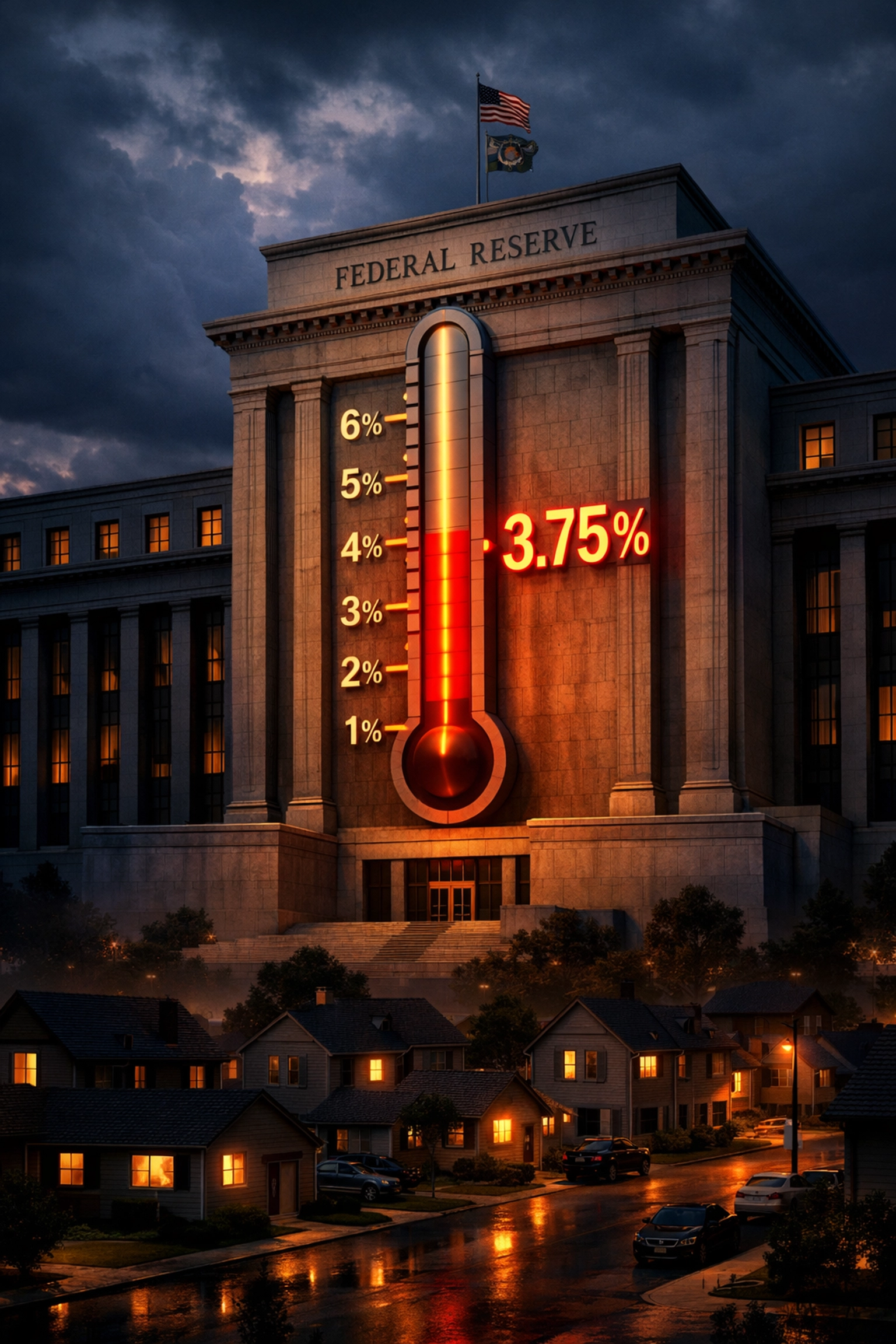
Most experts are predicting a single 0.25% rate cut somewhere in the second half of this year, probably between June and December. Some optimistic forecasters think we might see up to three cuts throughout 2026. But here's what nobody's talking about enough: even with these cuts, rates are staying higher than most people expected. Way higher.
The $1 Trillion Elephant in the Room
Want to know the real reason interest rates aren't coming down like a rock? Look at the federal government's credit card bill.
The United States government is now paying over $1 trillion per year just on interest payments for the national debt. Let that sink in. Not paying down the debt itself, just the interest on money we've already borrowed. That's more than we spend on defense. It's roughly the entire GDP of countries like Indonesia or the Netherlands.
When the government has to borrow this much and pay this much in interest, it competes with everyone else who wants to borrow money. Your mortgage lender, the car dealership financing your SUV, the small business trying to expand, they're all fishing in the same pond. And when the biggest fish in the pond (Uncle Sam) is gobbling up capital and paying interest on a mountain of debt, it keeps rates elevated for everyone else.
Here's the math that should terrify you: every 1% increase in interest rates adds roughly $340 billion to the government's annual interest bill on a $34 trillion debt. The Federal Reserve can't just slam rates down to zero like they did during the pandemic because the government itself needs to keep attracting buyers for Treasury bonds. Those buyers want a decent return, especially when inflation is still lurking around.
What the Hell is Yield Curve Control (And Why Should You Care)?
Now let's talk about something that sounds like economics gibberish but could directly impact your mortgage: yield curve control, or YCC for short.
Imagine the Federal Reserve deciding, "You know what? We're going to cap the 10-year Treasury yield at 3% no matter what." They'd buy as many bonds as necessary to keep that rate pinned down. Japan has done this for years. It's monetary policy on steroids.
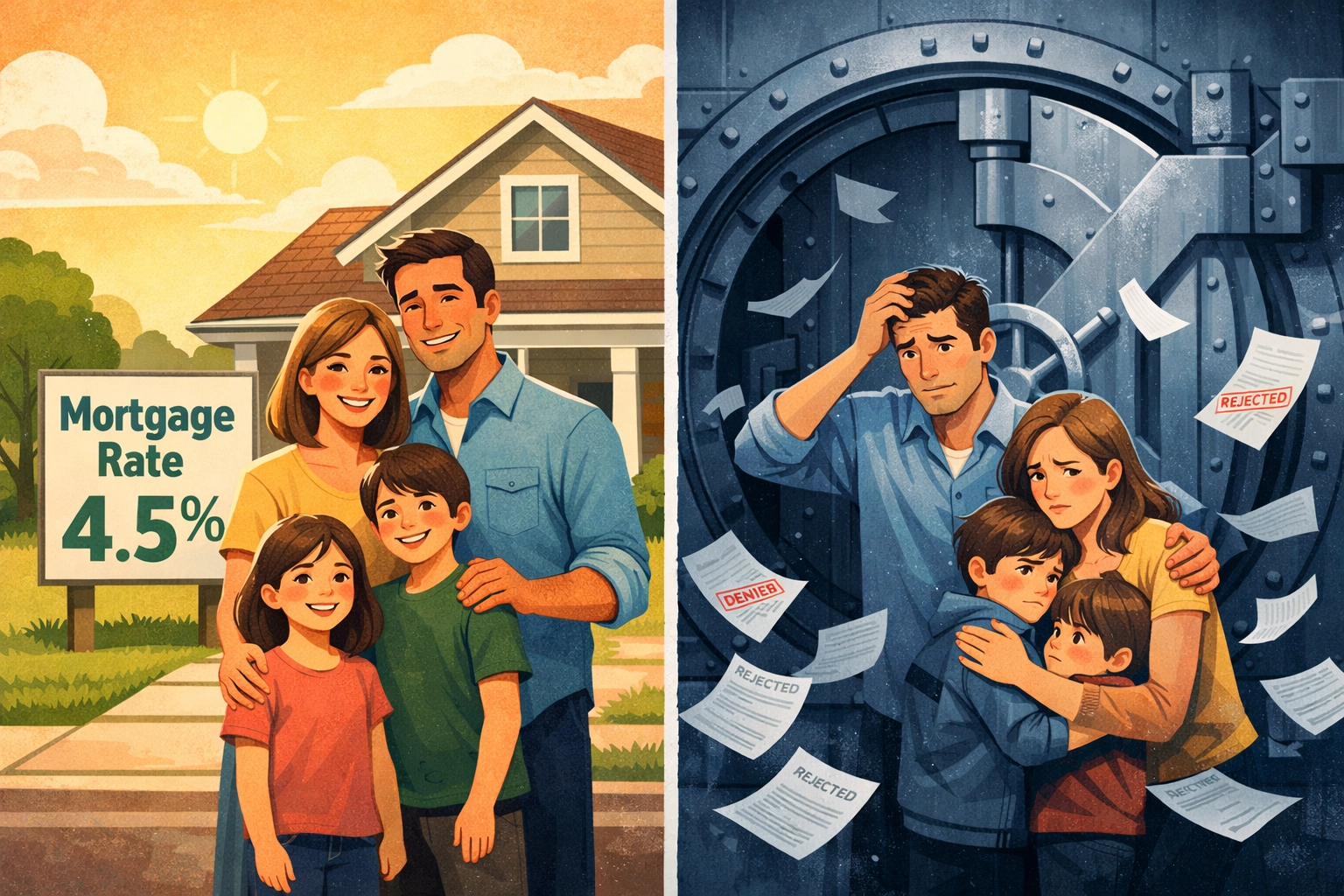
For a regular guy looking at a mortgage or car loan, yield curve control could be a mixed blessing. On one hand, if the Fed caps long-term rates, your 30-year mortgage rate would stay artificially low: think 4.5% instead of 6.5%. Sounds great, right?
Here's the catch: yield curve control is basically the Fed admitting they've lost control. It's what happens when debt gets so massive that normal policy tools don't work anymore. The Fed would be printing money to buy government bonds to keep rates down, which is a fancy way of saying they're monetizing the debt. And that, my friend, typically leads to inflation down the road.
If we see yield curve control implemented in the next few years (and some economists think it's inevitable), here's what it means for you:
Your mortgage: Rates might get capped at attractive levels, but good luck getting approved. Banks get cautious when the Fed starts playing these games. Lending standards tighten. That 4.5% rate looks great until the bank tells you that you need a 780 credit score and 30% down payment to qualify.
Your car loan: Same story. Auto lenders might offer low rates on paper, but they'll be pickier about who gets them. That 0% financing deal? It'll be reserved for people with pristine credit buying brand-new electric vehicles the government wants to subsidize.
Your savings: Kiss any decent return goodbye. If the Fed caps long-term rates, short-term savings rates get crushed too. Your high-yield savings account paying 4% today? Under yield curve control, you'd be lucky to get 1%.
The Real-World Numbers for 2026
Let's get practical. If you're shopping for a home right now, expect 30-year fixed mortgage rates to hover around 6% throughout 2026. Most forecasters are predicting a range between 6.0% and 6.3%: down slightly from last year but nowhere near the 3% rates people got during the pandemic.
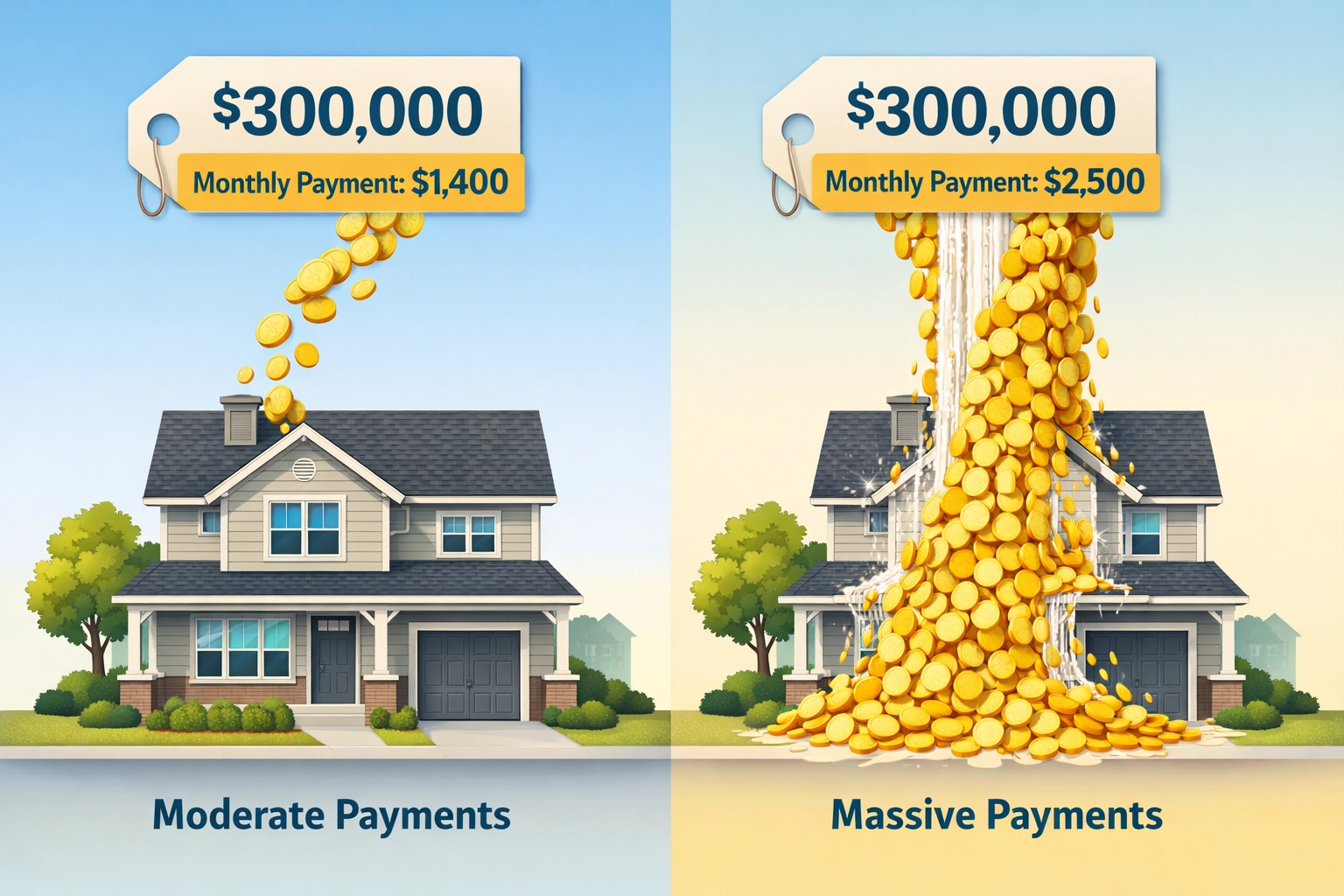
Here's what that looks like in your checking account: a $350,000 mortgage at 6.3% costs about $2,166 per month in principal and interest. At 3%, that same mortgage would cost $1,475. That's an extra $691 a month, or $8,292 per year, just in interest. Over 30 years, you're paying an extra $248,760 for the same house.
Car loans are in a similar boat. A $35,000 car loan at 7% for five years costs you about $693 per month and $6,580 in total interest. At the 3% rates some people got a few years ago, that same loan would cost $629 per month and only $2,740 in interest: a difference of $3,840.
On the flip side, if you've got money in savings, you're still doing okay: for now. One-year CDs are averaging around 1.8% APY in 2026, and five-year CDs are sitting at about 1.55% APY. Not spectacular, but with inflation running at 2.7%, you're at least treading water.
Why This Matters More Than the Talking Heads Admit
The financial media loves to obsess over every Fed meeting and parse every word Jerome Powell (or whoever's running the Fed by late 2026) says. But they miss the forest for the trees.
The bigger story is that the era of cheap money is over, probably for a generation. We had a 40-year run of falling interest rates from 1982 to 2021. An entire generation of Americans never experienced a world where borrowing money actually cost you real money. We treated our houses like ATMs, loaded up on cheap debt, and assumed asset prices would only go up.
That party's over. The Federal debt burden alone makes it mathematically impossible to return to near-zero rates without causing a currency crisis. Add in the fact that the rest of the world is also drowning in debt, and you've got a recipe for structurally higher rates for the foreseeable future.
What You Should Actually Do
So what's a regular person supposed to do with all this information?
If you're buying a house: Stop waiting for rates to crash. They're not coming down significantly unless something breaks in the economy. If you can afford the payment at 6%, and you plan to stay in the house for at least five years, buy the house. You can always refinance later if rates do fall.
If you're shopping for a car: Consider buying slightly used instead of new, or keep your current car a few more years if it's reliable. The combination of high prices and high rates makes new car payments brutal right now.
If you have savings: Lock in CD rates while they're still above inflation. A 1.8% return beats the 0.1% you'll get from a regular savings account, and if the Fed implements yield curve control, even these modest rates will look good in hindsight.
If you have debt: Pay it down aggressively, especially variable-rate debt like credit cards and home equity lines. High interest rates mean your debt is growing faster than your ability to pay it off.
The bottom line is this: we're in a new era where the government's massive debt burden is a weight around everyone's neck. Interest rates aren't just an abstract number that economists argue about: they're the price of money, and right now, money is expensive. The sooner you adjust your financial planning to this reality, the better off you'll be.
Be mindful, be watchful and good luck.