



You've probably heard the news: jobs are being added to the economy. The headlines are celebrating. Politicians are patting themselves on the back. The stock market seems happy enough.
But here's the thing nobody's really talking about, a lot of those "new jobs" aren't the kind your dad had. They're not the 9-to-5, benefits-included, pension-waiting-at-the-end kind of gig. They're part-time. They're contract work. They're flexible, sure, but "flexible" is just a nice way of saying "you're on your own, buddy."
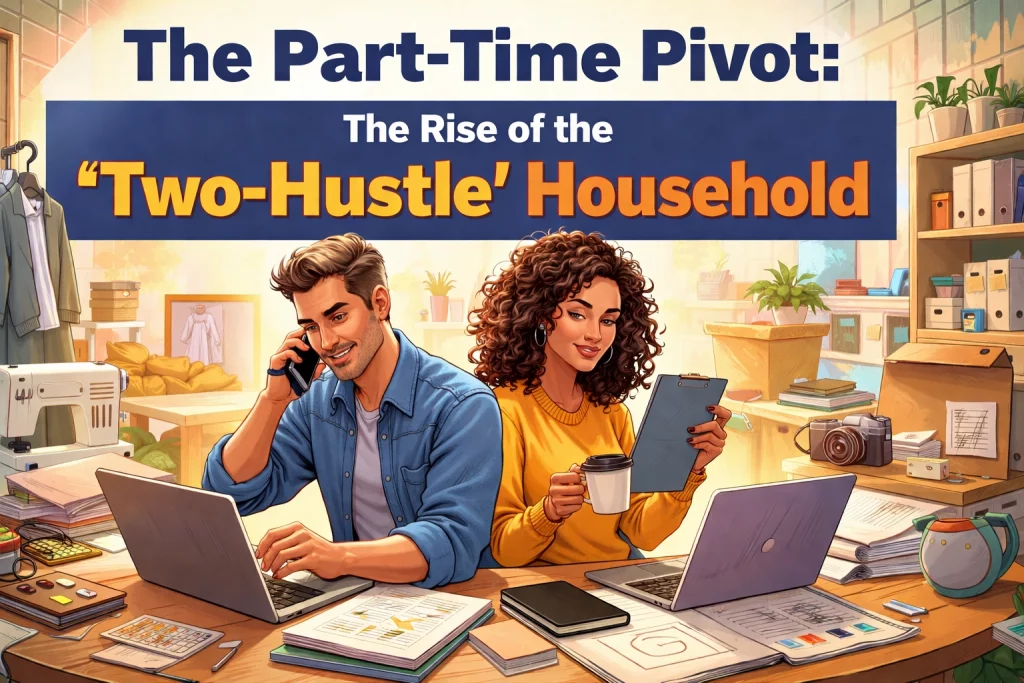
Welcome to the Two-Hustle Household. It's the new normal, and if you're not already living it, you probably know someone who is.
The Numbers Don't Lie (But They Do Hide Things)
Let's look at the December 2025 BLS employment data. On paper, the labor market looks solid. Unemployment is hovering around 4.1%. Jobs are being created. Great, right?
But dig a little deeper and you'll find that a significant chunk of that job growth is coming from part-time positions. We're not talking about high school kids picking up shifts at the pizza shop. We're talking about grown adults, people with mortgages, car payments, and kids to feed, cobbling together 25 hours here and 15 hours there just to make ends meet.
The "full-time job with benefits" used to be the default. Now it's starting to feel like a luxury item.

Why Is This Happening?
There's no single villain here. It's a combination of factors that have been building for years.
1. Companies Got "Efficient"
After the pandemic, businesses learned they could do more with less. They discovered that hiring part-time workers means no health insurance obligations, no retirement contributions, and way more flexibility when things get tight. For the company, it's a win. For the worker? Not so much.
2. The Gig Economy Grew Up
Ten years ago, driving for Uber or delivering for DoorDash was a "side hustle." Something you did for extra cash. Now, for millions of Americans, it's the main event. The gig economy has gone from a supplement to a survival strategy.
3. Technology Made It Possible
Your phone is now your employment office. You can sign up for Instacart in the morning, deliver packages for Amazon in the afternoon, and drive for Lyft at night. The barriers to entry are gone, which sounds great until you realize that means everyone's competing for the same scraps.
4. Full-Time Jobs Come With Strings
Here's a dirty little secret: some people are choosing part-time work because full-time jobs have become… well, awful. The expectation of being "always on," the endless emails, the meetings that could have been emails: some folks have done the math and decided that two part-time gigs with clear boundaries beats one full-time nightmare.
The Two-Hustle Reality
So what does a Two-Hustle Household actually look like?
Picture this: Sarah works as a virtual assistant for a small business 20 hours a week. It pays okay, but not enough to cover rent in 2026. So she also does bookkeeping for three different clients on the side. Her husband Mike works at a warehouse three days a week and drives for a rideshare app on his days off.
Between the two of them, they're working the equivalent of two and a half full-time jobs. But neither of them has employer-sponsored health insurance. Neither of them has a 401(k) match. And neither of them knows exactly what next month's paycheck will look like.
This isn't a failure on their part. They're working hard. They're hustling. But the system they're hustling in wasn't designed for this.

The Hidden Costs of "Flexibility"
The word "flexibility" gets thrown around like it's always a good thing. And sure, being able to set your own hours sounds nice. But let's talk about what flexibility actually costs:
No benefits. Health insurance, dental, vision, retirement: you're on your own. And if you've priced individual health insurance lately, you know it's not cheap.
No predictability. When your income changes week to week, budgeting becomes a guessing game. How do you plan for a vacation when you don't know what February looks like?
No safety net. Part-time and gig workers often don't qualify for unemployment insurance. If the work dries up, you're just… stuck.
No advancement. There's no corporate ladder to climb when you're juggling three different apps. You're not building toward a promotion or a raise. You're just trying to keep the plates spinning.
The Psychological Toll
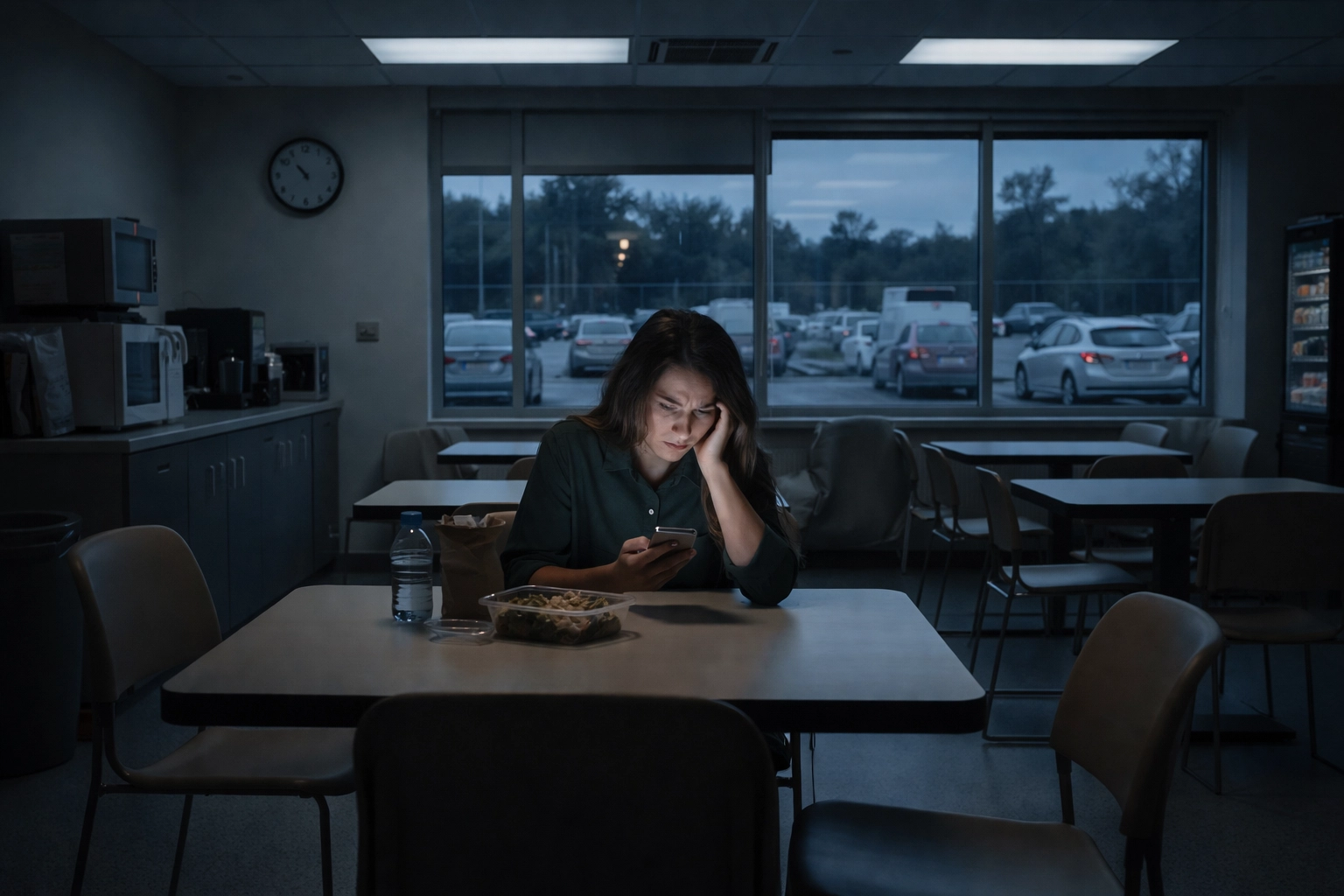
Let's be real for a second: this stuff is exhausting.
When you're working multiple jobs, you're never really "off." There's always another shift you could pick up, another delivery you could make, another client you could chase. The hustle never stops because it can't stop.
And there's a mental weight that comes with uncertainty. When you don't know if you'll have enough hours next week, it's hard to relax. It's hard to be present with your family. It's hard to think about anything beyond the immediate grind.
What Can You Do About It?
Look, I'm not going to pretend there's an easy fix here. The economy is what it is, and most of us don't have the power to change it overnight. But here are a few thoughts for anyone navigating the Two-Hustle life:
Stack skills, not just gigs. If you're going to work multiple jobs, try to pick ones that build on each other. Bookkeeping and virtual assistant work? That's a skill set. Driving rideshare and delivering food? That's just trading time for money with no exit ramp.
Build an emergency fund: even if it's small. When your income is unpredictable, having even $1,000 set aside can be the difference between a bad month and a disaster.
Know your worth. Just because the gig economy makes it easy to find work doesn't mean you should accept garbage pay. Be willing to fire bad clients and bad gigs.
Don't forget about taxes. When you're a 1099 contractor, nobody's withholding taxes for you. Set aside 25-30% of everything you earn, or you'll get a nasty surprise in April.
Take care of yourself. I know this sounds cheesy, but burnout is real. Two hustles can quickly become zero hustles if you run yourself into the ground.
The Bigger Picture
Here's the uncomfortable truth: the Two-Hustle Household isn't a glitch in the system. It might be the system now.
For decades, the deal was simple. You work hard, you get a steady job, you climb the ladder, you retire with a pension. That deal has been slowly dying for years, and the pandemic put the final nail in the coffin for a lot of industries.
What's replaced it isn't necessarily better or worse: it's just different. And different requires adaptation.
The companies that figured out how to optimize their workforce are doing great. The question is whether regular folks can optimize their own lives in response. It's not fair that the burden falls on individuals to navigate a system that's been tilted against them. But fair or not, that's the game we're playing.
The jobs report says the economy is adding jobs. And technically, that's true. But for millions of Americans, those jobs don't add up to the life they were promised.
Be mindful, be watchful and good luck.