



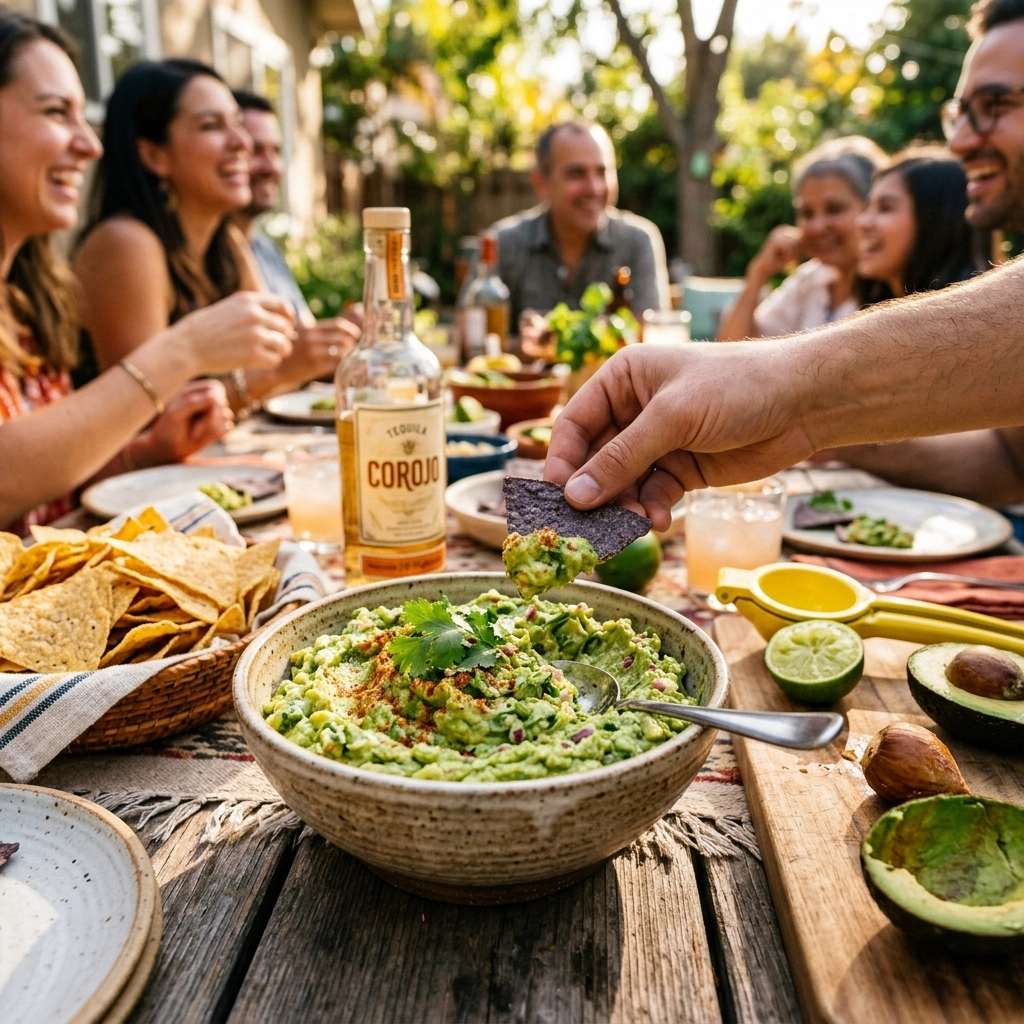
Happy Cinco de Mayo! It’s Tuesday, May 5, 2026, and if you’re heading to the grocery store today to prep for a backyard fiesta, I have some genuinely shocking news for you. For once, it’s good news. In an era where a fast-food burger costs as much as a small used car, the humble avocado has decided to give our wallets a break.
We’re calling it the Guacamole Index, and right now, the index is screaming "BUY."
While almost everything else in the "Regular Guy" budget is getting squeezed by a weakening dollar and a weirdly persistent inflation hangover, the avocado is sitting at a four-year price low. We’re talking about a buck a pound in many places. But before you go out and buy a crate of them and start an artisanal toast business, we need to talk about why this is happening: and why this victory for the common man is likely as fleeting as a summer tan.
The Michoacán Miracle
First, let’s look at why your chips have something cheap to dive into today. The state of Michoacán in Mexico: the heavy hitter of global avocado production: just pulled off a massive feat. They’ve hit a record crop of roughly 230 million pounds.
When you have that much green gold hitting the market at once, the laws of supply and demand actually work the way they’re supposed to. Prices have plummeted to around $1 per pound. Compared to the $2.50 or $3.00 we’ve seen in recent "avocado crises," this feels like a clerical error in our favor. It’s the Michoacán miracle, and it’s the primary reason your Cinco de Mayo party isn't going to bankrupt you this year.

But as we always say here at Regular Guy Economics, if something looks too good to be true, it’s probably just a temporary glitch in a much larger, more expensive system.
The 10% "Invisible Tax"
Here is where the buzzkill comes in. While you’re enjoying that $1 avocado, the dollar in your pocket has been losing its muscle.
Since January 2025, the U.S. dollar has dropped about 10% against a basket of global currencies. According to Morgan Stanley, this is the biggest first-half drop since 1973. Now, if you’re not a currency trader, you might think, "Who cares? I spend dollars in America."
The problem is that we don’t make everything in America. Especially the stuff that makes avocados grow.
Even though the fruit is grown in Mexico, the process is fueled by global inputs. The fertilizer used in those Michoacán orchards? It’s often imported and priced based on global commodity markets. The diesel used to truck those 230 million pounds from the orchard to the border and eventually to your local Costco? That’s priced in a global market that doesn't care if your feelings are hurt.
When the dollar loses 10% of its value, it takes 10% more of those dollars to buy the same amount of fuel and fertilizer. Right now, the massive supply of avocados is masking that cost. The "Michoacán Miracle" is essentially a giant discount that is currently offsetting the fact that our currency is getting weaker.
Why the "Cheap Guac" Era is Already Ending
Enjoy this Cinco de Mayo, because the "Guacamole Index" is likely to head back up by the time we hit the Fourth of July.
There are three major reasons why the bill is coming due:
1. The Seasonal Shift
Record crops don't last forever. As the Michoacán harvest winds down and we move into the summer months, the sheer volume of supply will taper off. In the world of economics, we call this "mean reversion." Basically, things like to go back to being expensive and annoying.
2. The Fertilizer and Diesel Lag
Farmers are currently selling the crop they grew using yesterday's prices. But as they look toward the next planting cycle, they are facing that 10% devaluation of the dollar. The cost of global inputs: fertilizer, pesticides, and equipment parts: is rising in real terms. To keep their margins, they’ll have to raise prices on the next batch.
3. The Gas Price Problem
A weaker dollar makes oil more expensive. Since oil is priced in dollars globally, a drop in the dollar's value means it takes more of them to buy a barrel of crude. This trickles down to the pump, making the shipping costs for every single avocado higher. Right now, the record crop is so big that the shipping cost is a smaller slice of the pie. Once the supply stabilizes, that gas price sting is going to hit the sticker price at your local grocery store.

The Bigger Picture: The "Regular Guy" Squeeze
This avocado story is a perfect microcosm of what we’re seeing across the entire economy in 2026. We get these small, temporary victories: like a record harvest or a slightly larger tax refund: but the underlying fundamentals are still leaning against us.
Think back to the "Tax Refund Cliff" we’ve been talking about. Earlier this year, refunds were about 10% bigger than usual, which kept Q1 spending looking healthy. It felt like we had extra cash. But now that it’s May, those refunds have been spent. Economists are calling for a "sadder summer" because real consumer income (what you can actually buy with your paycheck) has been shrinking for several months straight.
The cheap guacamole is a nice distraction, but it doesn't change the fact that your vacations are 10% more expensive, your imported electronics are creeping up in price, and your Costco run feels more like a heist where you’re the one being robbed.
How to Play It
If you’re a Regular Guy or Gal trying to navigate this, here’s the game plan:
- Stock up (moderately): If you can freeze it or use it now, do it. This is the cheapest these avocados will be for a long time.
- Watch the Dollar: Keep an eye on those Morgan Stanley reports. If the dollar continues to slide through the summer, expect your "imported" lifestyle: from coffee to car parts: to get a lot more expensive.
- Budget for the "Sadder Summer": With the tax refund buffer gone and the dollar weakened, June and July are going to feel a bit leaner. Don't let the $1 avocados trick you into thinking the era of "everything is expensive" is over.

The Bottom Line
At Regular Guy Economics, we love a good deal as much as anyone. A $1/lb avocado is a win. It’s a moment to breathe, make a giant bowl of guac, and forget about the national debt for twenty minutes.
But don't lose sight of the "invisible tax." The 10% drop in our currency is a memo that most people didn't get, but they’ll feel it every time they swipe their card this summer. The Guacamole Index is telling us to enjoy the party today, because the "Regular Guy" is going to have to work a lot harder to afford the same chips and dip by Labor Day.
It’s a temporary victory in a long-term battle against a shrinking dollar. So, by all means, grab the extra lime, salt the rim, and enjoy the Michoacán harvest. Just keep one eye on the gas station sign on your way home.
Be mindful, be watchful and good luck.