




If you were hoping for a white knight to ride in from Washington D.C. and slash your interest rates back to the "good old days" of 2021, I’ve got some bad news for you. That knight is currently stuck in a committee meeting, checking his watch, and deciding that doing nothing is better than doing something.
The Federal Reserve just wrapped up its latest meeting, and for the second time in a row, they’ve left the benchmark rate exactly where it is. While the suits on CNBC like to call this a "hawkish pause" or "data-dependent stability," let’s call it what it actually is for the rest of us: Wait and Bleed.
For the regular guy trying to buy a house, pay off a truck, or just keep a balance on a credit card without losing an arm and a leg, the Fed’s hesitation isn’t just a policy choice. It’s a slow leak in your bank account. And according to the futures market, there’s now a 60% chance that those rates aren’t moving an inch for the rest of 2026.
The Fed isn’t the hero of this story. Right now, they’re barely even an extra in the background. Here is exactly why the "Fed Put" is dead and why your wallet is on its own for the foreseeable future.
The "Wait and Bleed" Strategy
Jerome Powell and his team love the phrase "wait and see." They want to see more data. They want to see inflation hit that magical 2% target. They want to see the labor market "rebalance." But while they’re sitting in their mahogany offices analyzing spreadsheets, the "wait and see" strategy has turned into "wait and bleed" for the average American borrower.
When the Fed holds rates steady at these levels: currently sitting in that 3.5% to 3.75% range: they aren’t just pressing pause on the economy. they are keeping the pressure maxed out on anyone who doesn't have a massive pile of cash sitting in a high-yield savings account.
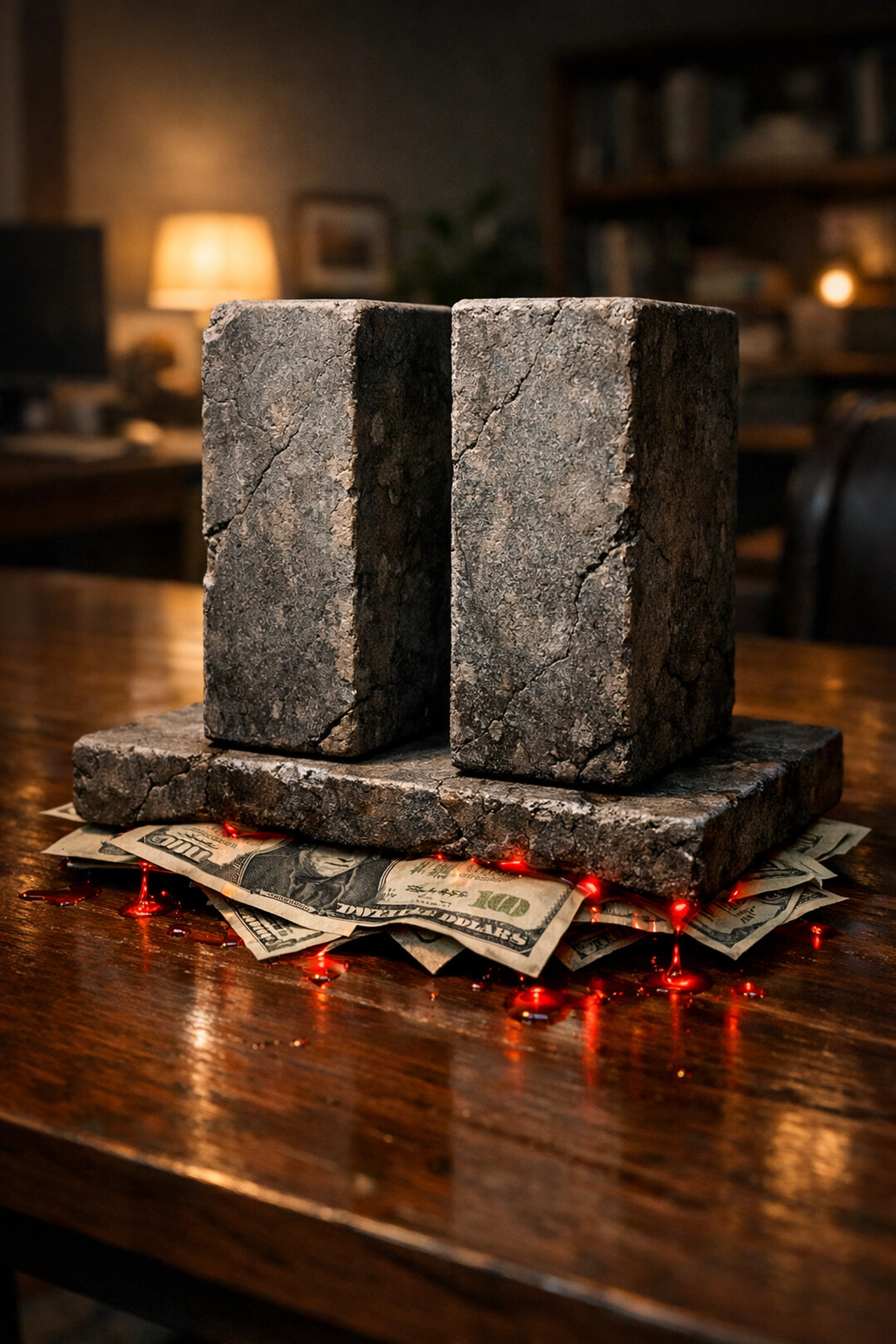
If you’re a saver, you’re doing okay. But if you’re one of the millions of people who actually use the financial system to live: borrowing for a car, using a credit card for groceries, or trying to get a mortgage: every month the Fed "waits" is another month you’re bleeding interest. The Fed is essentially betting that they can keep the screws tightened on you long enough to break inflation’s back without breaking the entire economy. It’s a dangerous game, and you’re the one providing the stakes.
Inflation is That Houseguest Who Won't Leave
Why won't they cut? Because inflation is proving to be stickier than a toddler with a lollipop. The Fed’s preferred gauge, the PCE (Personal Consumption Expenditures) index, is currently projected to hit 2.7% by the end of the year.
Now, to a normal person, 2.7% sounds pretty close to 2%. What’s the big deal, right? But in the world of central banking, that 0.7% gap is a canyon. The Fed has staked its entire reputation on that 2% number. If they cut rates now and inflation bounces back up to 4%, they look like amateurs. So, they stay paralyzed.
The reality is that inflation isn't just about the price of eggs anymore. We are dealing with "structural" inflation. Think about it:
- Geopolitical Chaos: Tensions in the Middle East keep energy prices volatile.
- The AI Gold Rush: Companies are pouring billions into AI infrastructure, which keeps demand for energy and high-end labor sky-high.
- Resilient Spending: Despite everything, people are still spending.
When the economy grows at a projected 2.4%: which is what we’re looking at for 2026: the Fed doesn't feel any "pain" that forces them to cut. As long as the GDP looks "solid" on paper, they don't care if your personal GDP is getting shredded by a 24% APR on your Visa card.

The Reality Check for Your Wallet
Let’s talk about what "Higher for Longer" actually looks like for the Regular Guy. It isn't just a headline; it’s a lifestyle change.
The Mortgage Deadlock: If you’re waiting for 3% or 4% mortgage rates to come back so you can finally move out of your starter home or stop renting, stop holding your breath. With the Fed holding steady and the market betting against cuts, we are looking at a "stagnant mortgage" reality. This creates a "lock-in" effect where nobody wants to sell because they don’t want to trade their 3% rate for a 7% rate. The result? Fewer houses on the market and prices that stay artificially high.
The Credit Card Trap: This is where the "bleed" is most obvious. Credit card interest rates are directly tied to what the Fed does. When they stay high, your interest stays high. If you’re carrying a balance, you aren't just paying for what you bought; you’re paying a "Fed Tax" every single month.
Auto Loans: Remember when you could get 0% or 1.9% financing on a new truck? Those days are in the rearview mirror. We are in an era where an "average" credit score gets you an 8% or 9% loan. On a $50,000 truck, that’s thousands of dollars over the life of the loan that goes straight to the bank instead of into your pocket.
The Fed is Out of Easy Moves
The most important thing to realize is that the Fed is actually in a corner. They aren't the all-powerful wizards they want you to think they are. They are facing a "Twin-Headed Monster" that limits their moves:
Monster #1: The Debt.
The U.S. government is currently paying about $1 trillion a year just in interest on our national debt. If the Fed keeps rates high to fight inflation, the government’s interest bill goes up, which creates more deficit, which: ironically: can cause more inflation.
Monster #2: The Credibility Gap.
If they cut rates too early to save the stock market or help the government’s debt problem, and inflation takes off again, the US Dollar loses its "tough guy" status globally.
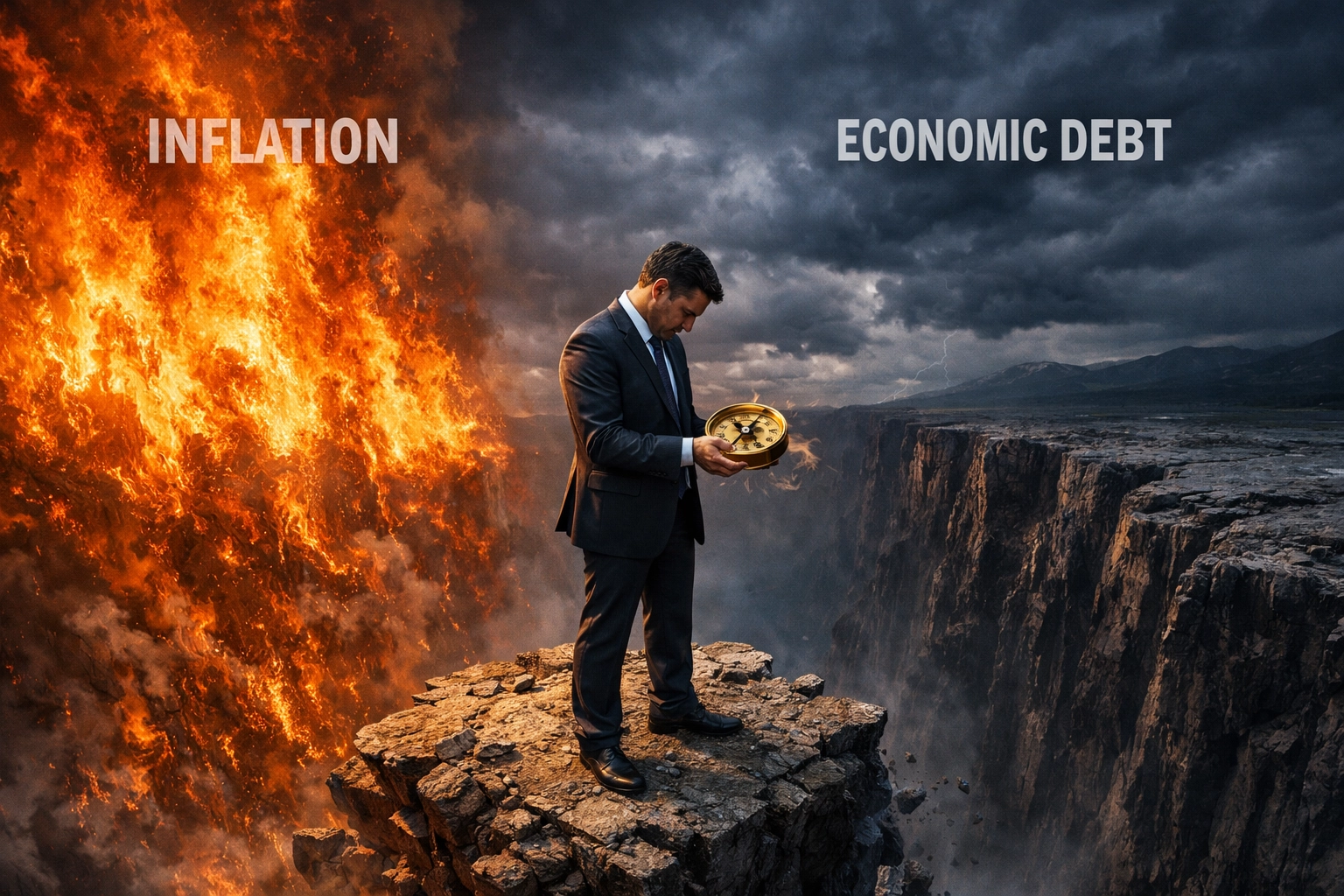
They are stuck. They can’t hike much more without causing a total banking collapse (remember the mini-crisis a couple of years back?), and they can’t cut without letting inflation run wild. So, they do the only thing a bureaucracy knows how to do: they wait. They hope that somehow, magically, things just balance themselves out while they do nothing.
Why the Fed Isn't the Hero in This Movie
In every financial crisis of the last 20 years, we’ve been trained to expect the Fed to swoop in. 2008? They cut to zero. 2020? They printed trillions. We’ve become addicted to the "Fed Pivot."
But this chapter of the movie is different. In this chapter, the Fed isn't the hero; they’re the obstacle. They are the ones holding the brake pedal down while you’re trying to move forward.
The market has finally figured this out. When the futures market puts a 60% probability on rates staying unchanged through 2026, they are saying, "We don't think the cavalry is coming." They’ve looked at the sticky inflation, the government debt, and the resilient (but expensive) economy, and they’ve realized the Fed is out of ammo.
What You Should Watch
So, if the Fed isn't going to save us, what should you be looking at?
- The Jobs Report: The only thing that will make the Fed move faster is if people start losing jobs in massive numbers. It’s a grim reality, but the Fed "needs" a weaker labor market to justify a cut.
- The 10-Year Treasury: Keep an eye on the bond market. If the 10-year yield stays high, mortgage rates aren't going anywhere, regardless of what Jerome Powell says in his press conferences.
- Your Own Balance Sheet: Since the Fed isn't going to lower your borrowing costs, your only move is to reduce your borrowing. This is the era of "defensive finance." Cash is king again, and debt is a high-voltage wire.

The bottom line is simple: The Fed has moved from being the market's best friend to being its most stubborn chaperone. They aren't going to lower the rates just because it would make your life easier. They are going to keep the pressure on until something significant breaks or until the "2% ghost" finally shows up: and right now, that ghost is nowhere to be found.
Don't build your 2026 financial plan around a Fed cut. Build it around the reality that what we’re seeing right now is the new normal. The "Higher for Longer" era isn't a temporary glitch; it's the environment we have to live in.
Be mindful, be watchful and good luck.