



You've probably heard the term "creator economy" thrown around lately. Maybe your teenager mentioned wanting to be a "content creator" instead of a doctor, or you've wondered how that person on TikTok affords their lifestyle. Let's break down what this whole thing actually means, and more importantly, why it matters to you.
What Exactly Is the Creator Economy?
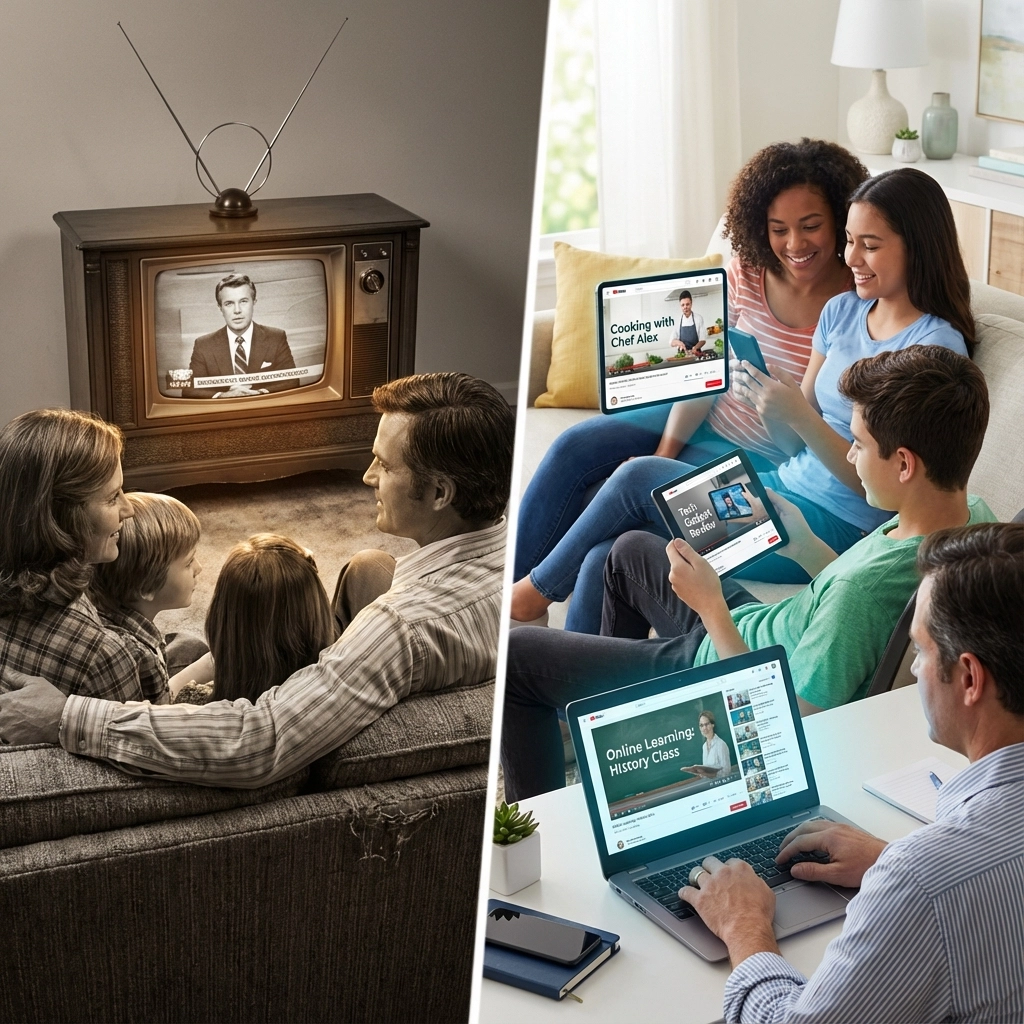
Think of it this way: remember when only TV networks, newspapers, and radio stations could reach millions of people? Those days are over. The creator economy is simply an ecosystem where regular people create content online and make money directly from their audience, no big corporation needed as a middleman.
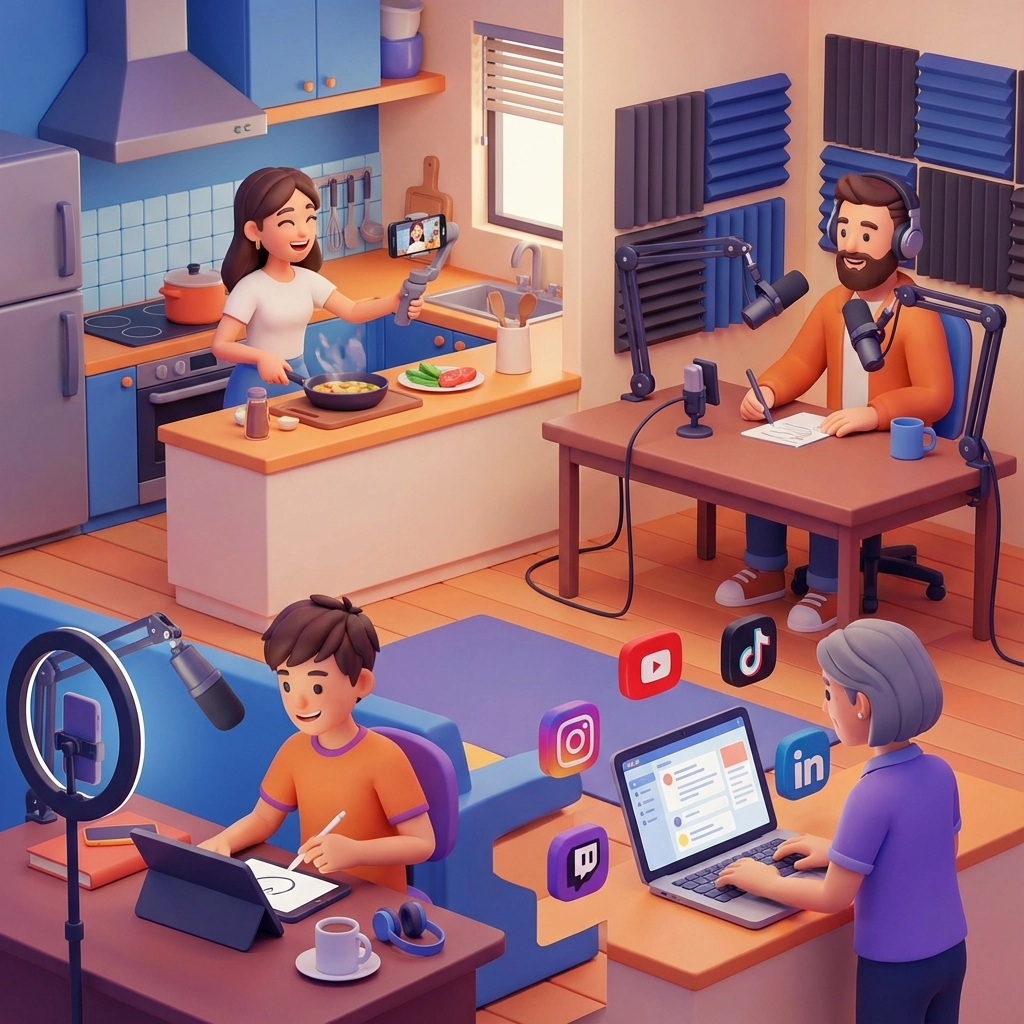
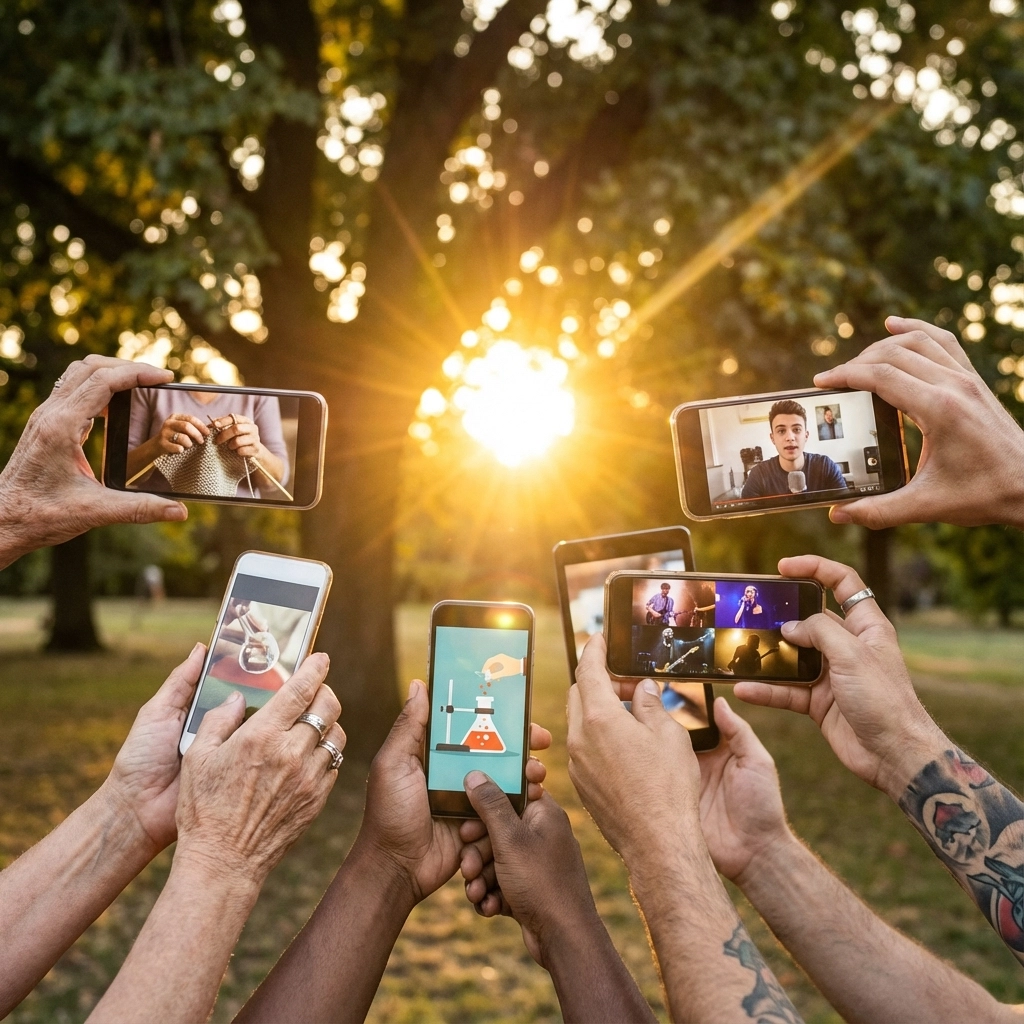
We're talking about over 50 million creators worldwide. These aren't just influencers dancing on TikTok (though they're part of it). It's the guy explaining car repairs on YouTube, the mom sharing budget recipes on Instagram, the finance expert breaking down investment basics on Twitter, and yes, even economics podcasters making complex topics simple.
How Does This Actually Work?
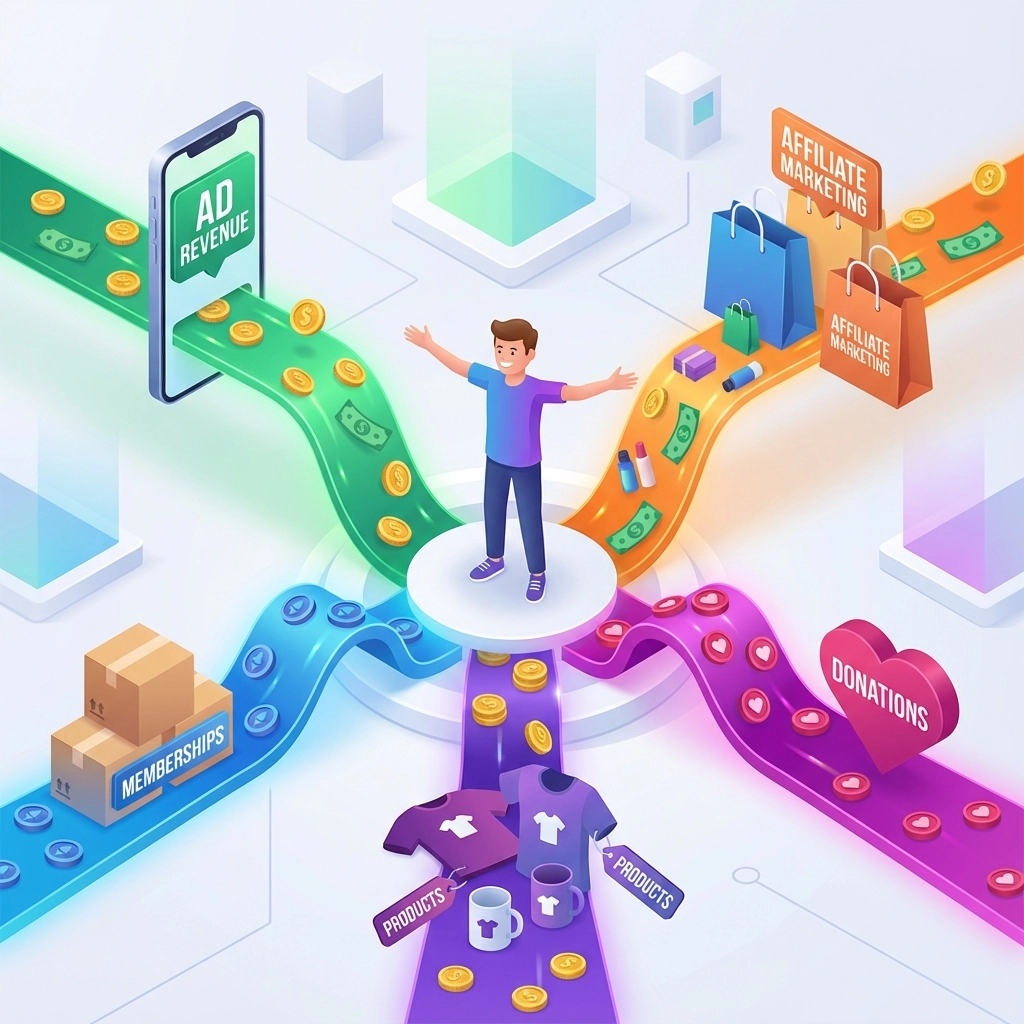
Here's where it gets interesting for regular folks. Creators build audiences around shared interests, then monetize that relationship through multiple streams:
Sponsorships and partnerships – Companies pay creators to mention their products because people trust recommendations from real humans more than traditional ads.
Advertising revenue – Platforms like YouTube share ad revenue with creators based on views and engagement.
Subscriptions and memberships – Think Patreon, Substack, or YouTube memberships where fans pay monthly for exclusive content.
Merchandise and products – From t-shirts to online courses, creators sell directly to their communities.
Affiliate marketing – Creators earn commissions when followers buy products through their links.
Direct fan support – Tips, donations, and "buy me a coffee" payments from grateful audiences.
The beautiful part? Creators can mix and match these revenue streams instead of relying on just one paycheck from one boss.
Why Should You Care?
Even if you have zero interest in becoming a creator yourself, this economy affects your daily life in ways you might not realize.
You're already consuming creator content. That recipe video you watched last week? Creator content. The product review that helped you choose your last purchase? Probably a creator. The podcast that makes your commute bearable? Definitely creator economy.
It's changing how we discover and buy things. Almost half of consumers make purchases because of influencer posts, and 86% have made at least one purchase annually inspired by creator content. These aren't faceless corporations pushing products: they're real people sharing genuine experiences and recommendations.
Traditional gatekeepers are losing power. For decades, a handful of media companies controlled what information reached the masses. Now, anyone with a smartphone and internet connection can build a global audience. This democratization means more diverse voices, more niche content, and more authentic perspectives.
The Real Revolution: Your Voice Matters
Here's the part that should excite everyone, even if you never plan to quit your day job to become a full-time creator. The creator economy has fundamentally shifted who gets heard and why.
Expertise comes from everywhere. The best personal finance advice might come from a debt-free teacher in Ohio, not Wall Street. The most helpful home repair tutorials could be from a retired contractor in Texas, not a corporate training video. Real experience and the ability to explain things clearly matter more than fancy credentials or corporate backing.
Authenticity beats polish. People are tired of slick, corporate messaging. They want real humans sharing real experiences. Your unique perspective, shaped by your background, struggles, and successes, has value that can't be replicated by a marketing team.
Niche expertise is suddenly valuable. Maybe you know everything about vintage motorcycles, growing vegetables in small spaces, or managing finances as a single parent. In the old economy, these specific knowledge areas had limited monetization opportunities. In the creator economy, even narrow expertise can support entire businesses.
The Income Reality Check
Let's be honest about the money side. The creator economy isn't a guaranteed path to riches. Most creators aren't making millions: they're making anywhere from a few hundred to several thousand dollars monthly as side income. But that's still meaningful money for regular families.
Consider this: if you created content that brought in an extra $500 per month, that's $6,000 annually. For many families, that's a vacation fund, emergency savings, or enough to pay down debt faster. It doesn't have to replace your salary to be valuable.
The multiple revenue stream approach also provides security that traditional employment often can't. Instead of relying on one employer who could lay you off, creators build relationships with their audience and diversify their income sources.
Breaking Down the Barriers
What makes the creator economy revolutionary is how it's removed traditional barriers to reaching an audience:
No expensive equipment required. Your smartphone probably has better video quality than professional cameras from 10 years ago. Free editing apps can create content that looks surprisingly professional.
No permission needed. You don't need a publisher to approve your book, a record label to distribute your music, or a TV network to air your show. Create it, post it, find your audience.
No geographic limitations. A creator in rural Montana can build a global audience just as easily as someone in New York City. The internet doesn't care about your zip code.
No massive upfront investment. Most creator tools and platforms are free or low-cost. You can test ideas and build slowly without risking your life savings.
Why NOW Is the Perfect Time
The creator economy is still relatively young, which means there's room for new voices. While some niches feel saturated, remember that audiences are constantly growing and evolving. Plus, new platforms and tools emerge regularly, creating fresh opportunities.
The trust factor is crucial here. Traditional advertising becomes less effective every year as consumers become more skeptical of corporate messages. Meanwhile, creator recommendations become more influential because they feel authentic and personal.
This shift represents one of the biggest changes in how information and influence flow through our society. We're moving from a world where a few powerful institutions controlled the narrative to one where millions of individual voices can find their audiences and make an impact.
Your Next Step
You don't have to quit your job tomorrow to participate in the creator economy. Start by sharing something you already know. Got a hobby? Write about it. Learned a skill? Teach it. Have an opinion about something in your profession? Share it.
The creator economy works because it's built on real human connections. Your voice, your perspective, your experience: they all have value. The question isn't whether you're qualified to be heard. The question is whether you're willing to start sharing what you already know.
In an economy where authenticity matters more than authority and where technology has democratized the ability to reach people, every voice has potential value. The creators succeeding today aren't necessarily the most polished or the most credentialed: they're the ones who started sharing and kept showing up.
So whether you're thinking about starting a side hustle or just trying to understand why your cousin is making money reviewing kitchen gadgets on YouTube, remember this: the creator economy is fundamentally about real people solving real problems for real audiences. And that's something any of us can do.
Be mindful, be watchful, and good luck!