



Every time the Federal Reserve announces a rate cut, you see the same headlines. "Relief for borrowers!" "Lower rates coming!" And somewhere in the back of your mind, you think maybe, just maybe, that credit card balance isn't going to hurt so much anymore.
Here's the cold truth: rate cuts aren't going to save you. Not really. Not in any way that actually matters to your wallet.
Let's break down why the Fed cutting rates is basically a Band-Aid on a bullet wound when it comes to your credit card debt, and what you can actually do about it.
How Rate Cuts Are Supposed to Work
First, let's get the basics out of the way. The Federal Reserve sets a target for the federal funds rate, basically, the interest rate banks charge each other for overnight loans. When the Fed cuts this rate, it ripples through the economy. The prime rate drops, and since most credit cards have variable APRs tied to that prime rate, your credit card interest rate should theoretically go down too.
Sounds great on paper.
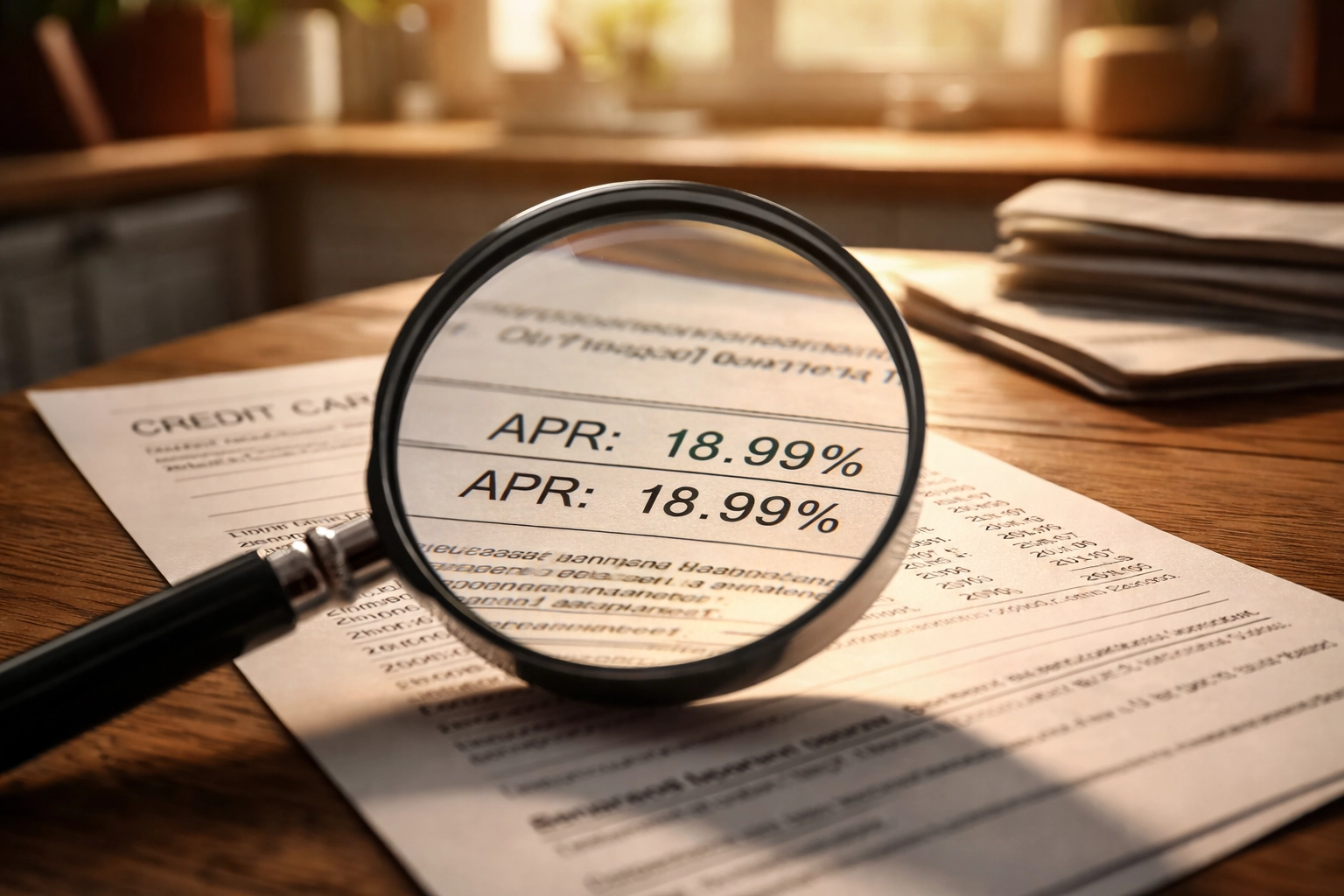
The problem is in the details. When the Fed makes a typical rate cut, they're usually talking about 0.25 percentage points. That's a quarter of one percent. On your credit card with a 24% APR, that cut brings you down to… 23.75%.
Feel the savings yet? Yeah, me neither.
The $6 Reality Check
Here's a number that should put everything into perspective: the average credit card borrower saves about $6 per month from recent rate cuts.
Six dollars. That's a fancy coffee. That's not even a Netflix subscription anymore.
So when you hear news anchors talking about "relief for consumers," understand what they actually mean. They mean you might save enough to buy a mediocre sandwich once a month. Meanwhile, if you're carrying $5,000 in credit card debt at 24% APR, you're still paying roughly $100 in interest charges every single month.
The math just doesn't work in your favor.
Why Credit Card Rates Stay So High
Here's something that frustrates a lot of people: even when the Fed has cut rates significantly over the years, credit card APRs haven't dropped anywhere near as dramatically. In fact, the gap between the federal funds rate and average credit card rates has actually widened over time.
Why? Because credit card companies aren't charities. They're businesses built on risk assessment, and unsecured credit card debt is risky business. They price in default rates, operational costs, and yes, profit margins.

There's also no requirement for issuers to pass along rate cuts in full. If the Fed drops rates by half a percent, your credit card company might lower your APR by a quarter percent. Or they might wait a billing cycle or two before doing anything at all. Or if you have a fixed-rate card (which is rarer but they exist), they don't have to do anything.
The system isn't designed to help you. It's designed to make money.
The Real Problem Nobody Talks About
Let's zoom out for a second. The average American household carrying credit card debt owes somewhere around $7,000-$10,000. At average APRs hovering around 20-24%, these families are paying thousands of dollars every year just in interest, money that could be going toward savings, retirement, their kids' education, or just not living paycheck to paycheck.
A $6 monthly savings from rate cuts does absolutely nothing to address this structural problem.
It's like bailing out a sinking boat with a teaspoon. Technically you're removing water, but you're going to drown anyway.
The credit card industry has created a system where minimum payments are designed to keep you in debt for decades. Those little "minimum payment warning" boxes on your statement showing it'll take 27 years to pay off your balance if you only pay the minimum? That's not a bug. That's the feature.

What Actually Moves the Needle
Okay, enough doom and gloom. Let's talk about what actually works, strategies that make rate cuts look like pocket change.
Improve Your Credit Score
This is the big one. The difference between having good credit and excellent credit can mean several percentage points on your APR. We're talking the difference between 24% and 16%, which saves you way more than any Fed rate cut ever will.
Pay your bills on time. Keep your credit utilization low. Don't close old accounts. These basics can boost your score over time and qualify you for better rates across the board.
Call Your Credit Card Company
This sounds almost too simple, but it works more often than you'd think. If you've been a good customer, paying on time, keeping your account in good standing, call and ask for a lower rate. Especially if your credit score has improved since you opened the card.
The worst they can say is no. The best case? They knock a few points off your APR, which beats waiting around for the Fed to do it for you.
Balance Transfer Cards
Here's where things get interesting. Balance transfer cards with 0% introductory APRs exist specifically for people carrying high-interest debt. You transfer your balance, pay no interest for 12-21 months (depending on the card), and use that breathing room to actually pay down the principal.
The catch? You need decent credit to qualify, and you have to actually pay down the debt during the promotional period. If you just transfer the balance and make minimum payments, you'll be right back where you started when the promo rate expires.
Pay More Than the Minimum
Revolutionary concept, I know. But every dollar you pay above the minimum goes directly toward your principal balance. That's money that stops accumulating interest forever.
If the rate cuts save you $6 a month, take that $6 and put it toward your balance. It's not much, but it compounds over time. And honestly, if you can find $50 or $100 extra to throw at your debt each month, you'll make more progress in a year than rate cuts would give you in a decade.

The Bottom Line
Rate cuts make for great headlines. They give politicians something to point at and say "look, we're helping!" But for the average person drowning in credit card debt, they're basically meaningless.
The real path out of credit card debt isn't hoping the Fed will save you. It's taking control of your own situation: improving your credit, negotiating better rates, using balance transfers strategically, and paying down that principal as aggressively as you can.
Nobody is coming to rescue you from credit card debt. Not the Fed, not the government, not your credit card company. The only person who can fix this is you.
The good news? You have more tools at your disposal than you probably realize. Use them.
Be mindful, be watchful and good luck.