



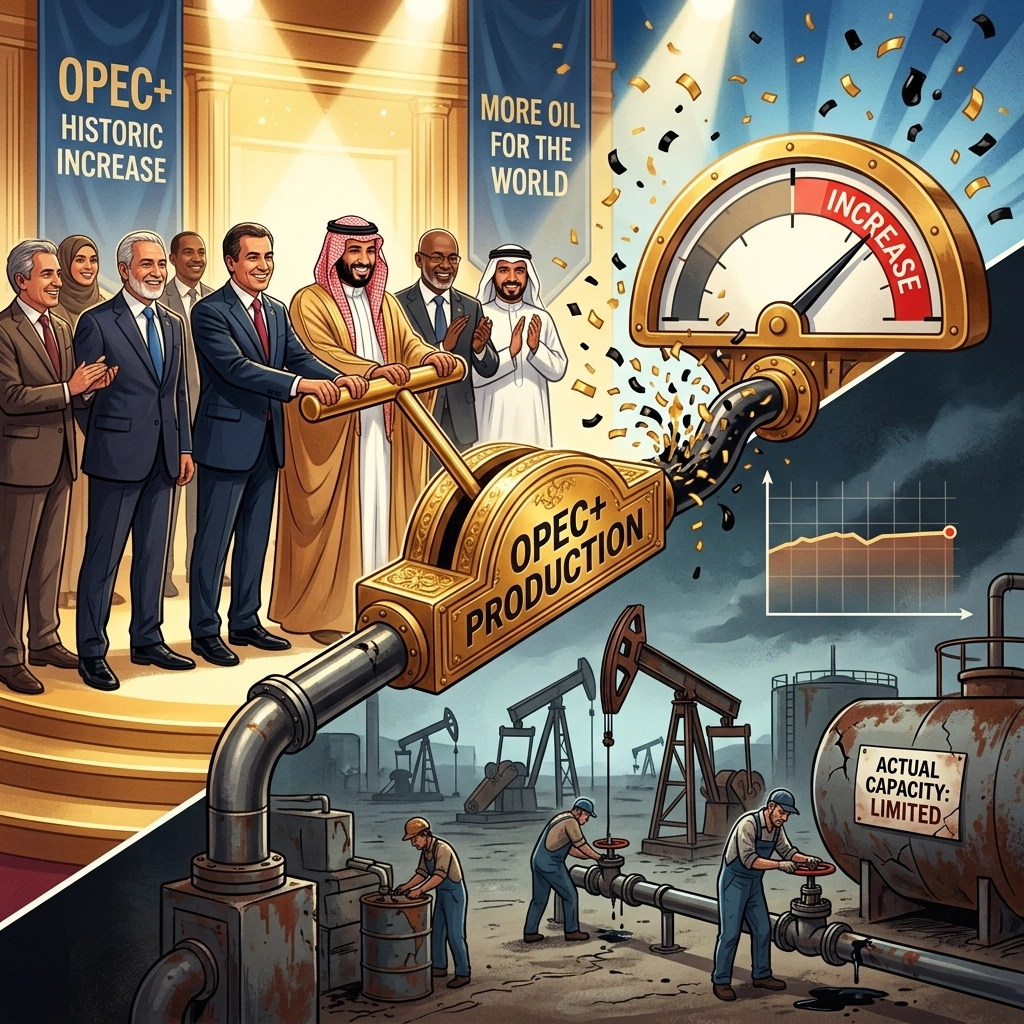
If you’ve been watching the news lately, you probably saw the headline: OPEC+ is ramping up oil production!
On the surface, that sounds like a win for every regular guy who’s tired of seeing his bank account drained at the gas pump. It sounds like the cavalry is coming over the hill to save us from triple-digit oil prices. But I’m here to tell you that if you’re expecting a massive drop in your commute costs based on this announcement, you might want to keep your expectations in check.
In fact, calling this a "production increase" is a bit like your boss giving you a two-cent-an-hour raise and expecting a thank-you card. It’s technically an increase, sure, but it’s mostly just for show. Let’s pull back the curtain and look at what’s actually happening in the world of oil, war, and the math that just doesn't add up.
The Math of a Paper Band-Aid
Let’s start with the hard numbers, because numbers don’t lie, even if press releases do.
On April 5, 2026, the OPEC+ gang got together and announced they would be increasing production by 206,000 barrels per day (bpd) starting in May. Now, to you and me, 206,000 of anything sounds like a lot. If 206,000 pizzas showed up at my house, I’d be set for life. But in the global oil market? It’s a rounding error.
According to the International Energy Agency (IEA), the current supply disruption we’re facing is the largest in the history of the global oil market. We are looking at a daily liquid fuels loss of nearly 18 million barrels.
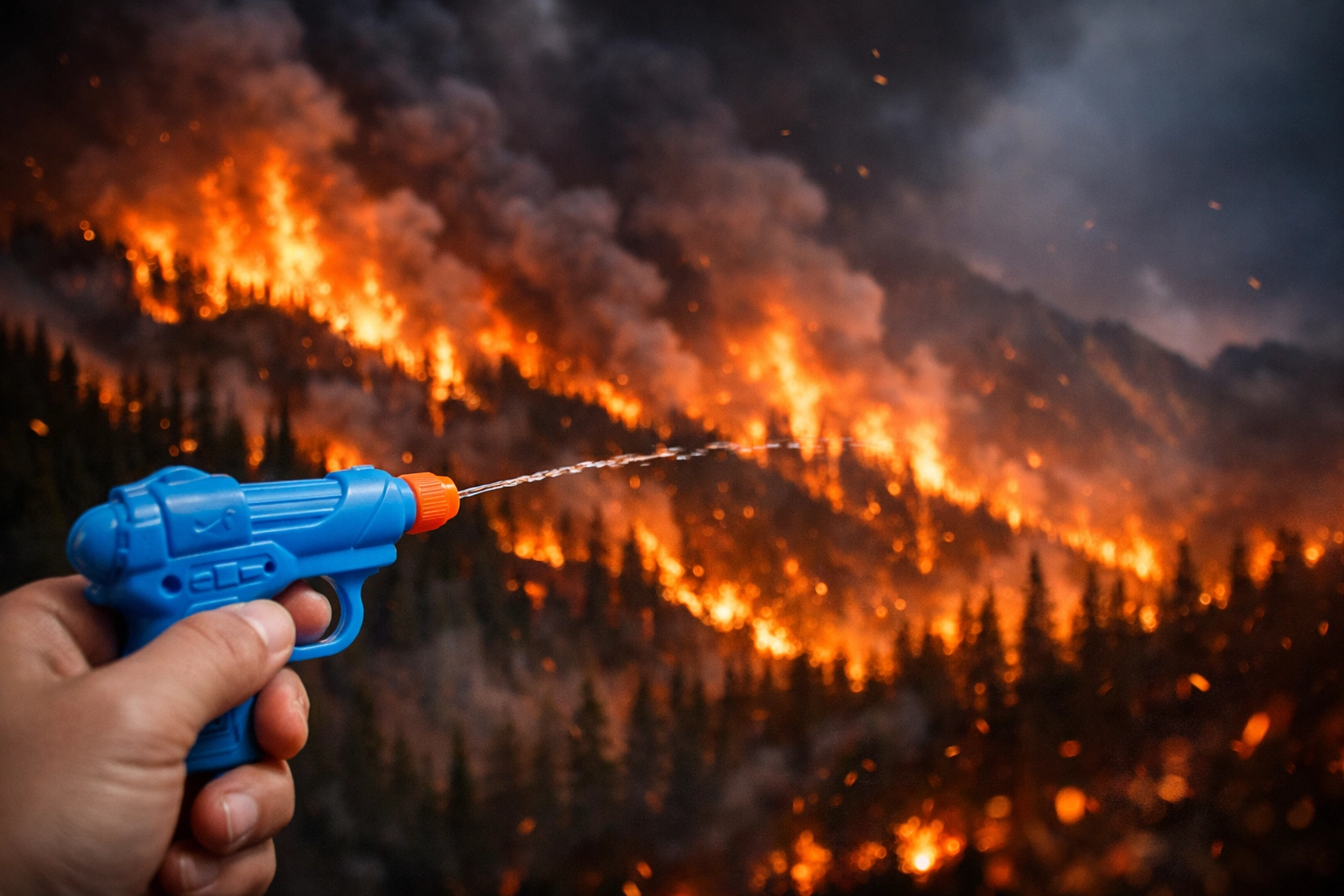
Do the math with me. OPEC+ is offering 206,000 barrels to cover a hole that is 18,000,000 barrels deep. That means their "fix" covers less than 1.2% of the daily supply loss. It’s like trying to put out a forest fire with a water pistol. It’s symbolic. It’s academic. It’s basically a PR move designed to calm the markets without actually having to do the heavy lifting of fixing the physical supply chain.
The "Trapped Oil" Problem
Even if OPEC+ wanted to pump 10 million more barrels tomorrow, they’ve got a massive physical problem: the oil has nowhere to go.
Think of the global oil supply like a giant plumbing system. Right now, the main drain, the Strait of Hormuz, is effectively shut down. This tiny stretch of water usually handles a fifth of the entire world’s oil supply. It’s the throat of the global economy, and right now, that throat is being squeezed.
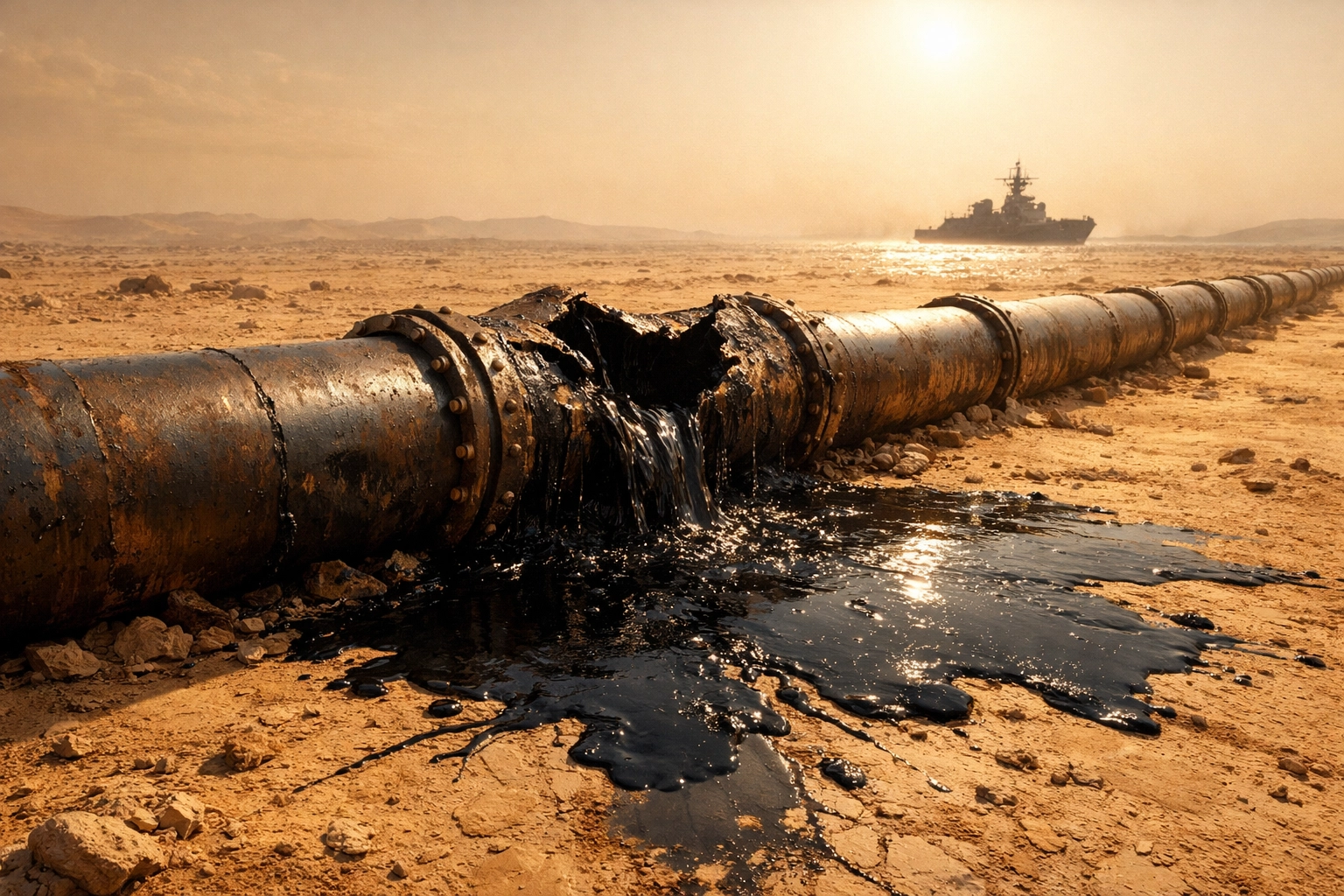
Saudi Arabia tried to be smart about this. They have a backup plan, the East-West pipeline that diverts oil away from the Persian Gulf and over to the Red Sea. At its peak, that pipeline was moving about 7 million barrels per day. It was the "safety valve" for the world.
But here’s the kicker: on April 8, just hours after a ceasefire was supposedly announced, that pipeline was struck. Damage assessments are still coming in, but the bottom line is that the crude is essentially trapped behind a conflict zone. You can pump it out of the ground all day long, but if the pipes are broken and the ships can't sail through the Strait without getting shot at, those barrels might as well stay in the dirt.
Why the "Pay-to-Pass" System Isn't Helping
You might have heard that Iran agreed to reopen the Strait of Hormuz as part of the ceasefire. That sounds like good news, right? Well, the devil is in the details.
Iran isn't just "opening" the doors; they are acting as the bouncers. They’ve moved to a "Pay-to-Pass" model. Between massive spikes in shipping insurance and new "permit fees" being levied by regional authorities, the cost of moving a single barrel of oil through that area has skyrocketed.
So, even if that OPEC+ oil starts moving, it’s coming with a massive surcharge. It’s the "Uber Surge Pricing" of global energy. The oil exists, but the cost of getting it from Point A to Point B is so high that the price at the pump for the regular guy stays stubbornly high.
The "Rockets and Feathers" Reality
This brings us to a question I get asked every single time oil prices dip: "John, if crude oil just plunged 16% on the ceasefire news, why am I still paying $5.00 a gallon?"
Economists call this "Rockets and Feathers." When oil prices go up, gas prices at your local station go up like a rocket. The owner sees the news, knows his next delivery will be expensive, and changes the sign immediately. But when oil prices fall? Gas prices drift down slowly, like a feather.
The gas station owner isn't always being a jerk (though some are). They’re usually trying to recover the money they lost when prices were spiking. Plus, we have a refining problem. We aren't just short on oil; we’re short on the factories that turn that oil into the stuff you put in your truck. Until those refineries feel safe and the supply lines are stable, they aren't going to lower their prices just because OPEC+ put out a fancy press release.
A Desperate Neighbor is a Volatile Neighbor
While we sit here complaining about the cost of a fill-up, we have to look at the economic carnage happening inside the countries involved in this conflict. Take Iran, for example. The Iranian Rial is in a total freefall.
When a country’s currency collapses, they get desperate. And desperate regimes don't play by the rules of "supply and demand." They play by the rules of survival. This is why the OPEC+ announcement feels so hollow. The geopolitical "fear premium" is still baked into every barrel of oil. Investors are looking at the Rial, looking at the bombed-out pipelines, and looking at the "14-day" limit on the current ceasefire, and they’re saying, "No thanks, I’ll keep the price high just in case."
The Bottom Line for Your Wallet
So, what does this mean for you?
It means we need to stop looking at OPEC+ as the savior of our gas prices. Their 206,000-barrel increase is "lipstick on a pig." It makes the pig look better for a minute, but it’s still a pig.
The real story isn't production; it’s infrastructure and stability. Until the Strait of Hormuz is truly free of "permit fees," until the East-West pipeline is repaired and protected, and until a ceasefire lasts longer than a Hollywood marriage, the oil market is going to remain a mess.
We are living through a period where the old rules of "just pump more" don't apply. We have the oil; we just can't move it. And as long as that oil is trapped, the "Regular Guy" is going to be the one paying the "trapped oil" tax at the pump.
It’s a tough pill to swallow, especially when we see the Dow jumping 1,300 points on a "miracle" ceasefire that feels more like a timeout. Don't be fooled by the big headlines. The energy crisis isn't over just because some delegates in Vienna signed a piece of paper. We’re in for a long, bumpy ride, and the best thing you can do is keep an eye on the actual movement of ships, not just the press releases from oil ministers.
We’ve seen this movie before. The actors change, but the plot remains the same. They promise relief, give us a pittance, and hope we don’t notice the difference. But we’re paying attention. We see the 18 million barrel hole, and we see the 200,000 barrel band-aid.
Be mindful, be watchful and good luck.