



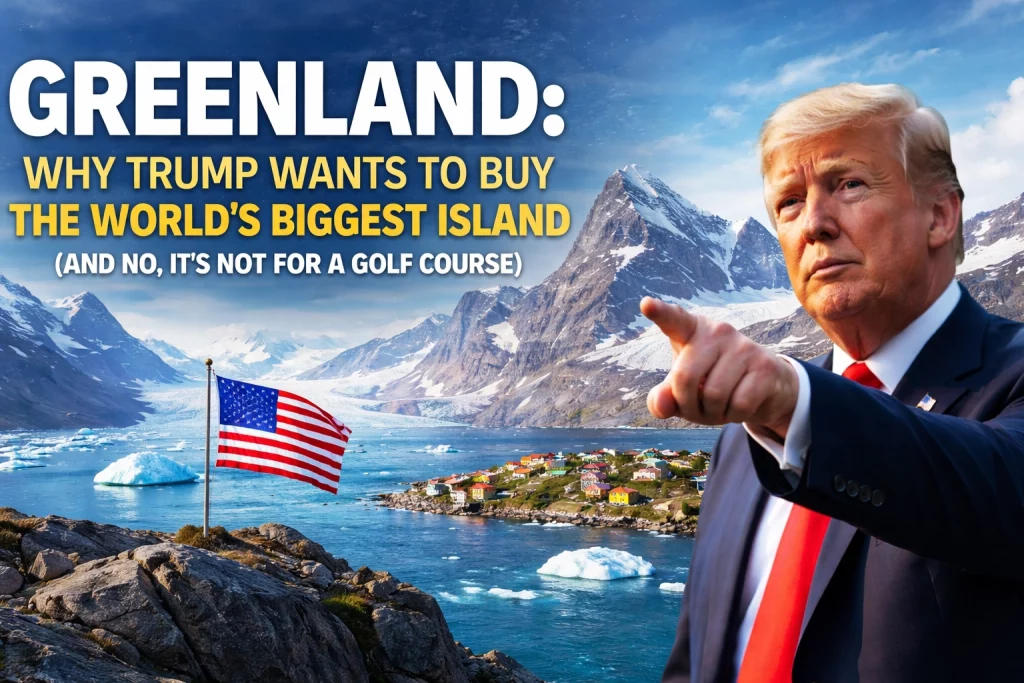
So here we are again. Donald Trump wants to buy Greenland. When this first made headlines a few years back, most people laughed it off like it was some kind of real estate joke gone wrong. "What's next, buying the moon?" But here's the thing, when you dig past the punchlines and actually look at the economics, this idea isn't as crazy as it sounds. In fact, it might be one of the shrewdest economic power plays on the table.
Let's crack this one open and look at why the world's biggest island has caught the eye of a guy who knows a thing or two about property deals.
It's Not About the Views (Well, Maybe a Little)
First things first, Greenland is massive. We're talking about 836,000 square miles of land, which makes it bigger than Alaska, Texas, California, and Montana combined. Most of it is covered in ice, sure. But underneath that frozen shell? That's where things get interesting.
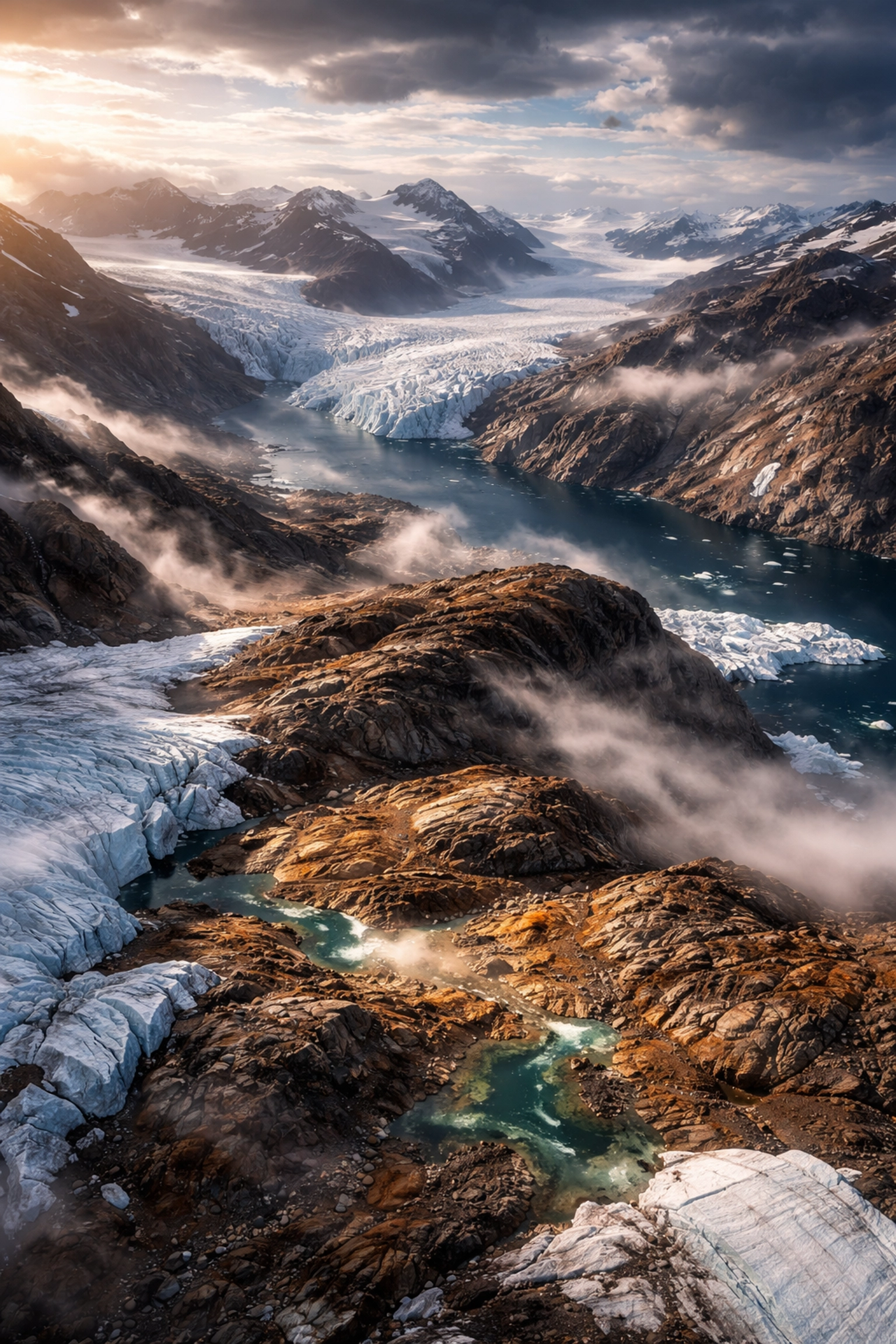
Greenland is sitting on a treasure chest of natural resources that would make any economist's head spin. We're talking untapped reserves of oil, natural gas, uranium, and, here's the big one, rare earth minerals.
The Rare Earth Goldmine
If you've ever wondered why your smartphone, electric car, or laptop works the way it does, you can thank rare earth elements. These 17 minerals are critical for manufacturing everything from batteries to wind turbines to military equipment. They're in your earbuds. They're in fighter jets. They're everywhere.
Here's the problem: China currently controls about 60% of the world's rare earth mining and roughly 90% of the processing. That's not a supply chain, that's a chokehold. And if geopolitical tensions heat up (spoiler alert: they already are), having all your eggs in Beijing's basket starts to look like a really bad strategy.
Greenland has some of the largest untapped rare earth deposits on the planet. Owning that land, or at least having serious economic agreements in place, would be like finding a second gas station in a one-station town. Suddenly, you've got options.
From a pure economics standpoint, controlling these resources means controlling the future of technology manufacturing. That's not small potatoes. That's the whole farm.
Arctic Shipping Lanes: The New Panama Canal?
Now let's talk location. Climate change is doing a number on the Arctic ice sheets, and while that's terrible news for polar bears, it's opening up something that shipping companies have been eyeing for decades: the Northwest Passage and Northern Sea Route.
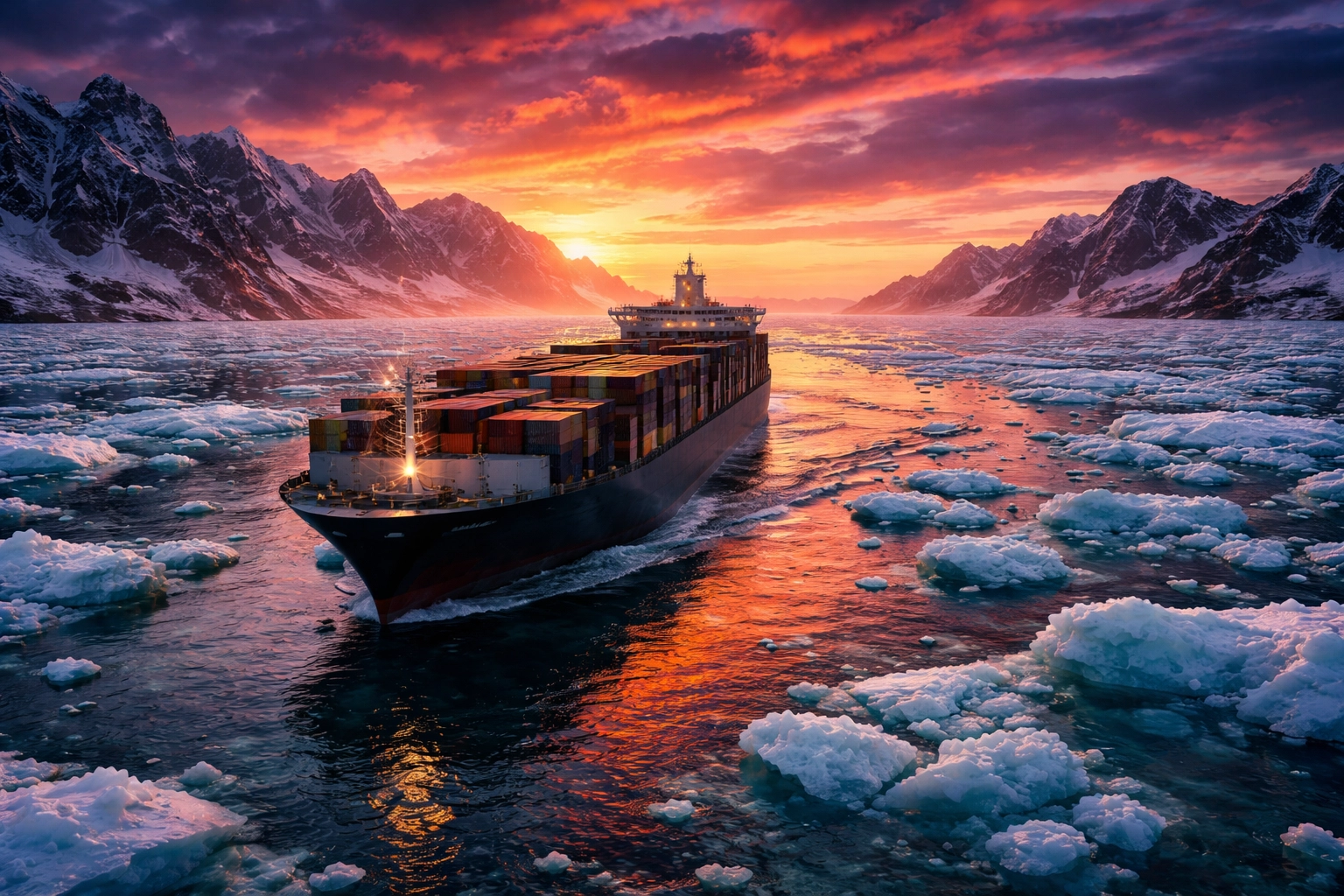
These Arctic shipping lanes could cut transit times between Asia and Europe by up to two weeks compared to traditional routes through the Suez Canal. Two weeks. In the shipping world, time is money, literally billions of dollars in fuel, labor, and logistics costs.
Greenland sits right in the middle of this emerging shipping superhighway. Whoever controls Greenland has a front-row seat to one of the most significant changes in global trade routes since the Panama Canal opened in 1914.
Think about it like this: if you owned a tollbooth on the only road between two major cities, you'd be making money while you sleep. Greenland could become that tollbooth for Arctic commerce.
National Security Is Economic Security
Here's where the conversation shifts from "interesting economic theory" to "actual strategic necessity."
The Arctic is heating up: and I don't just mean the temperature. Russia has been building military bases and expanding its Arctic fleet. China has declared itself a "near-Arctic state" (which is geographically hilarious but strategically serious) and has been investing heavily in Arctic infrastructure.
Trump himself has warned that "if the U.S. does not do it, Russia or China will." And honestly? He's not wrong.
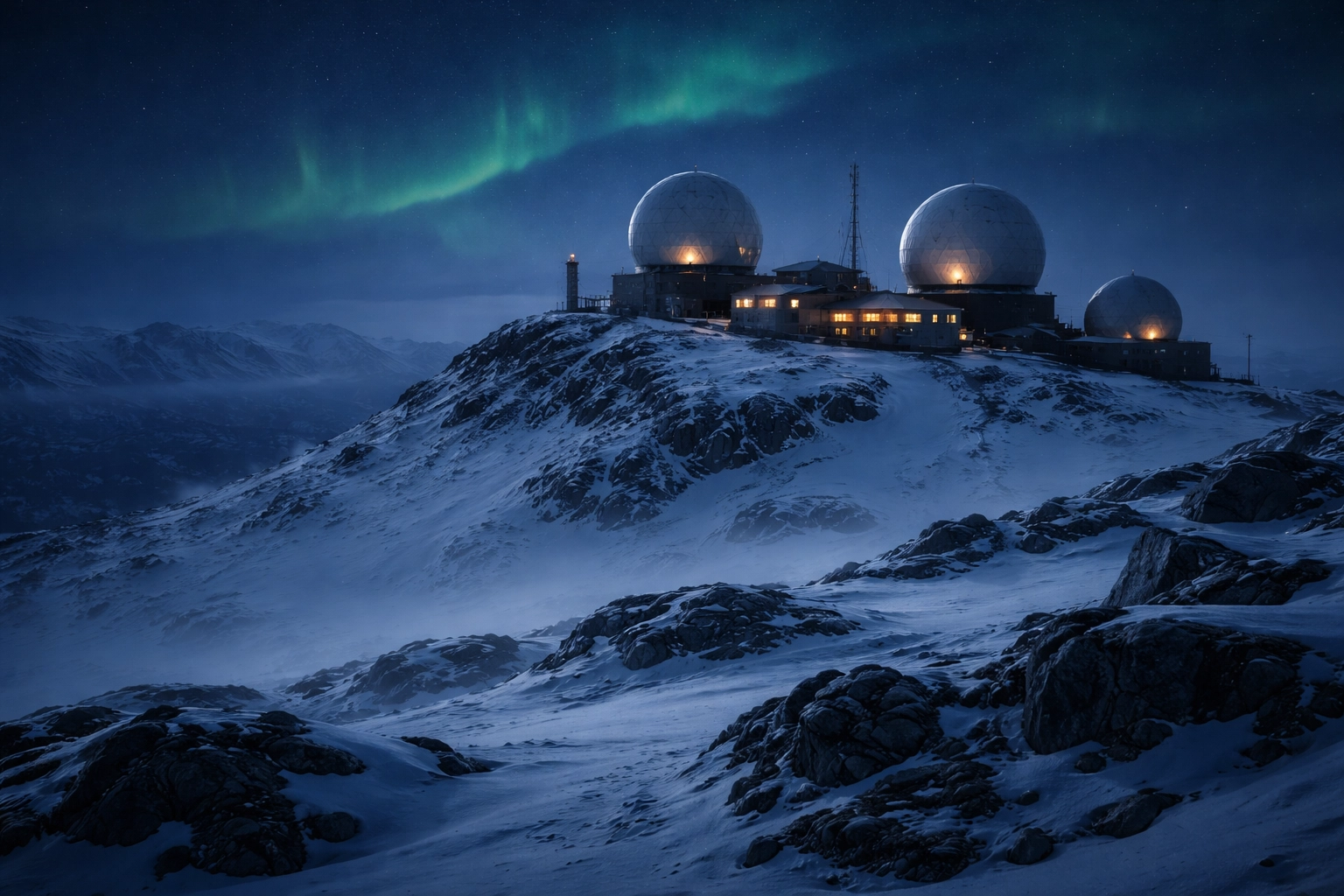
The U.S. already operates Thule Air Base in northern Greenland, which is critical for missile defense and space operations. The Trump administration has specifically cited the "Golden Dome" missile defense system, arguing that Greenland's northern position is essential for protecting North America from potential threats.
But national security isn't just about missiles and military bases. Economic security and national security are two sides of the same coin. If China controls the rare earth minerals and Russia controls the shipping lanes, America's economic independence takes a serious hit. Securing Greenland isn't just about defense: it's about making sure the U.S. doesn't end up dependent on rivals for the building blocks of its own economy.
Land as the Ultimate Asset
Let's zoom out for a second and think about this from a pure investment perspective.
What's the one thing they're not making more of? Land. And Greenland is a lot of land. The reported estimated cost for acquiring Greenland sits at around $700 billion, which sounds like monopoly money until you consider what you're getting.
You're getting mineral rights worth potentially trillions. You're getting strategic positioning in the world's next great shipping corridor. You're getting a foothold in an increasingly contested geopolitical arena. And you're getting 836,000 square miles of territory that, as climate change progresses, may become increasingly habitable and economically productive.
Is $700 billion a lot? Absolutely. But the U.S. bought Alaska from Russia in 1867 for $7.2 million: about $151 million in today's dollars. People called it "Seward's Folly" at the time. Alaska has since generated hundreds of billions in oil revenue alone. Sometimes the big, weird real estate deals turn out to be the smartest ones.
The Reality Check
Now, before we start measuring drapes for a new American territory, let's pump the brakes a bit.
Greenland's government has flat-out rejected a U.S. takeover "under any circumstances." Denmark, which maintains authority over Greenland's foreign affairs, has stated the island is "not for sale." NATO allies have warned that any military action to seize Greenland could blow up the entire transatlantic alliance.
So it's not like Trump can just write a check and call it a day. The political, diplomatic, and ethical hurdles here are enormous.
But that doesn't mean the economic logic is wrong. It just means the path to getting there: whether through purchase, partnership, or expanded economic agreements: is complicated.
The Bottom Line
When you strip away the headlines and hot takes, Trump's interest in Greenland isn't about ego or real estate bragging rights. It's about resources, positioning, and economic independence in a rapidly changing world.
Rare earth minerals are the new oil. Arctic shipping lanes are the new trade routes. And whoever controls Greenland has leverage in both arenas.
Is buying an entire island a conventional economic strategy? Not exactly. But we're not living in conventional times. The great power competition between the U.S., China, and Russia is playing out across every continent: including the one covered in ice at the top of the world.
Whether Greenland ever becomes American territory is anyone's guess. But the economic rationale behind wanting it? That part makes perfect sense.
Be mindful, be watchful and good luck.