



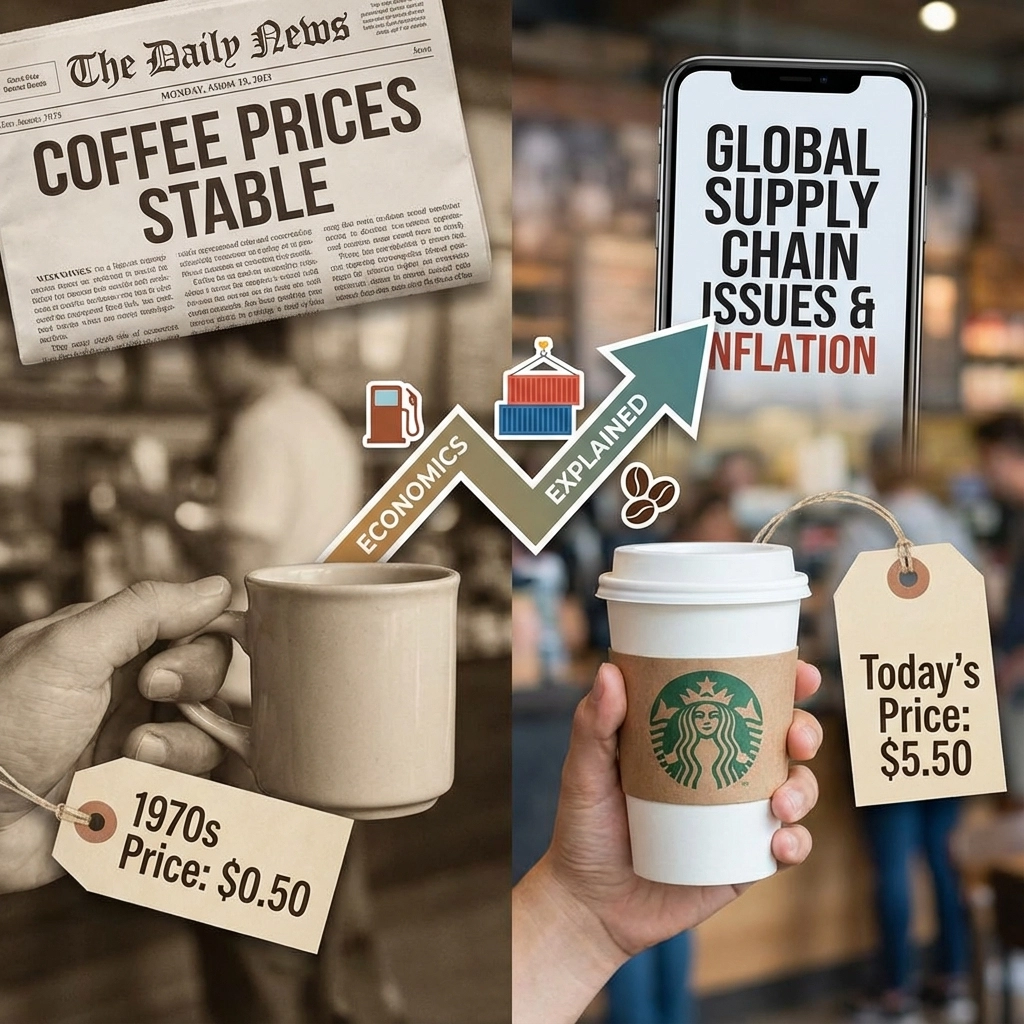
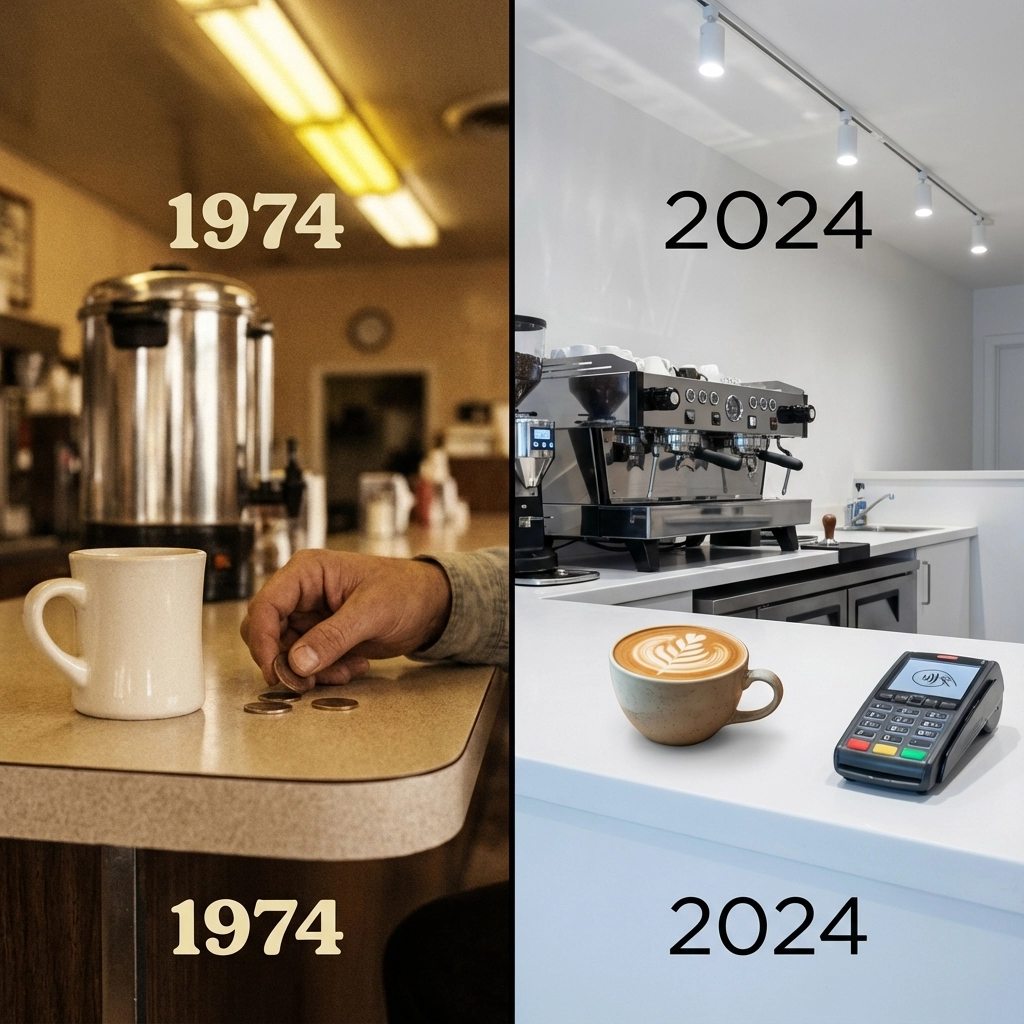
Remember when your dad used to complain about paying $2 for a cup of coffee? "Back in my day, coffee was 50 cents!" he'd grumble. Well, guess what? Your dad was onto something. That $6 latte you're sipping isn't just fancy marketing: there's some serious economics behind why coffee prices have gone absolutely bonkers.
Here's the deal in under 3 minutes: Your coffee costs more because of a perfect storm of climate disasters, growing global demand, and financial markets going crazy. It's not just inflation: it's a fundamental shift in how much it costs to get coffee beans from farms to your cup.
The Simple Answer: Supply and Demand Got Wrecked
Economics 101 says when supply goes down and demand goes up, prices skyrocket. That's exactly what happened to coffee. But let's dig into why this happened and why it's not going back to "the good old days" anytime soon.
Brazil's Climate Disaster Changed Everything
Brazil produces about 40% of the world's coffee. When Brazil sneezes, your local coffee shop catches a cold. And lately, Brazil hasn't been sneezing: it's been having a full-blown climate crisis.
In the past few years, Brazil got hit with the worst of everything: unusual frosts that killed coffee plants, followed by droughts that stunted what survived. Then came floods that ruined what was left. It's like Mother Nature decided to personally mess with your morning routine.
Here are the numbers that'll make you spit out your coffee: The base price for arabica coffee beans jumped from around $1.50 per pound a couple years ago to over $4.00 per pound by early 2025. That's not a typo. Coffee bean prices nearly tripled.
Vietnam and Colombia, the other big coffee producers, faced similar climate disasters. When the world's three biggest coffee countries all struggle at the same time, your morning cup gets expensive fast.
Meanwhile, Everyone Wants More Coffee
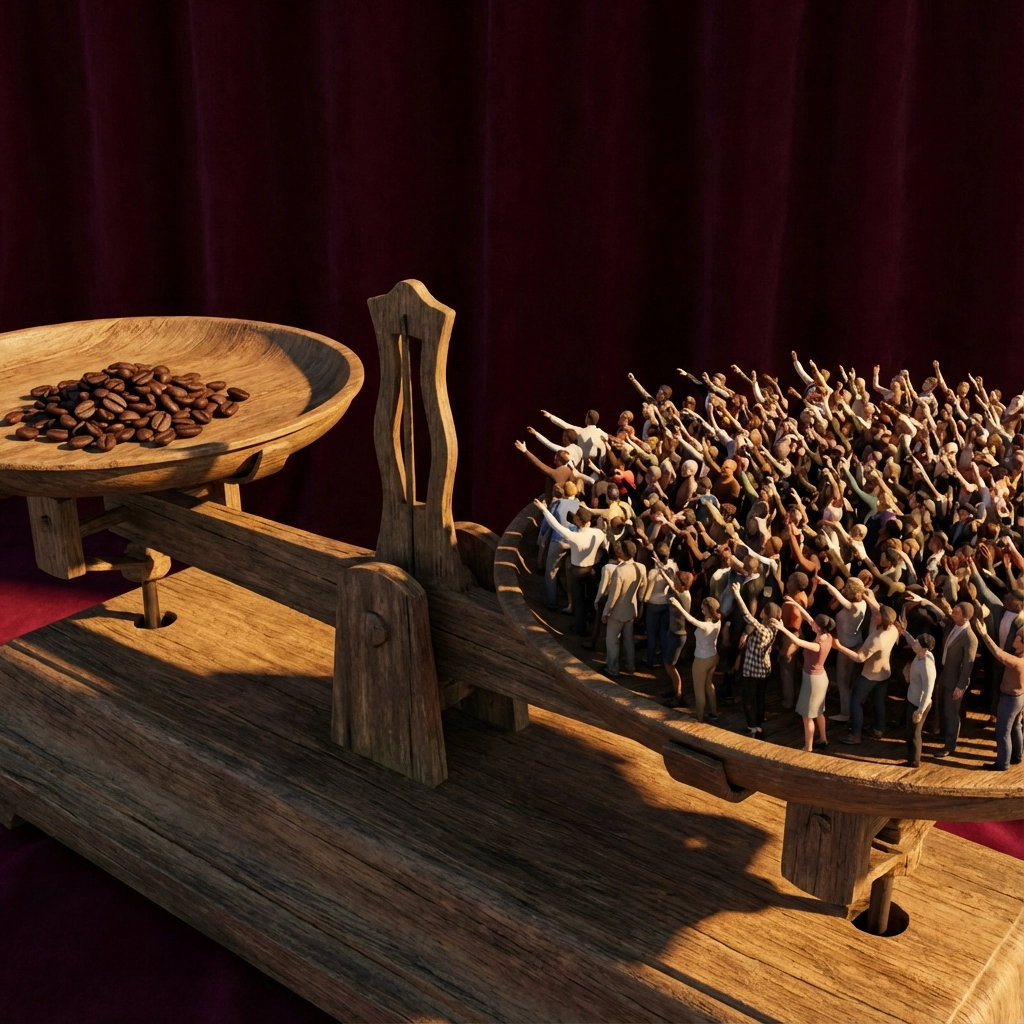
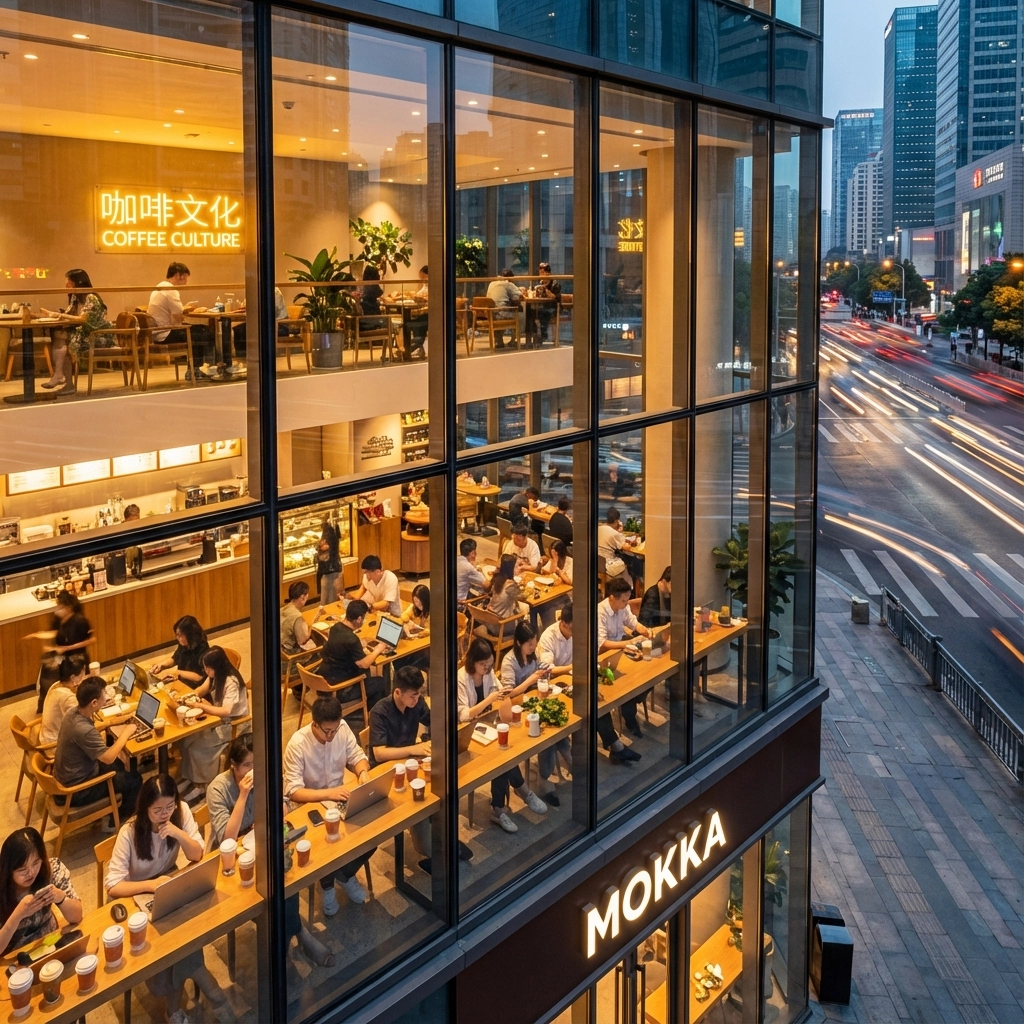
While supply was getting crushed, demand was going through the roof. China, with its 1.4 billion people, discovered coffee culture. Chinese coffee consumption surged 150% over the past decade. That's a lot of new coffee drinkers competing for the same shrinking supply of beans.
It's not just China. Coffee consumption keeps growing globally. More coffee shops, more energy drinks with coffee, more people working from home making multiple cups a day. We're literally drinking our way into a supply shortage.
Wall Street Made It Worse
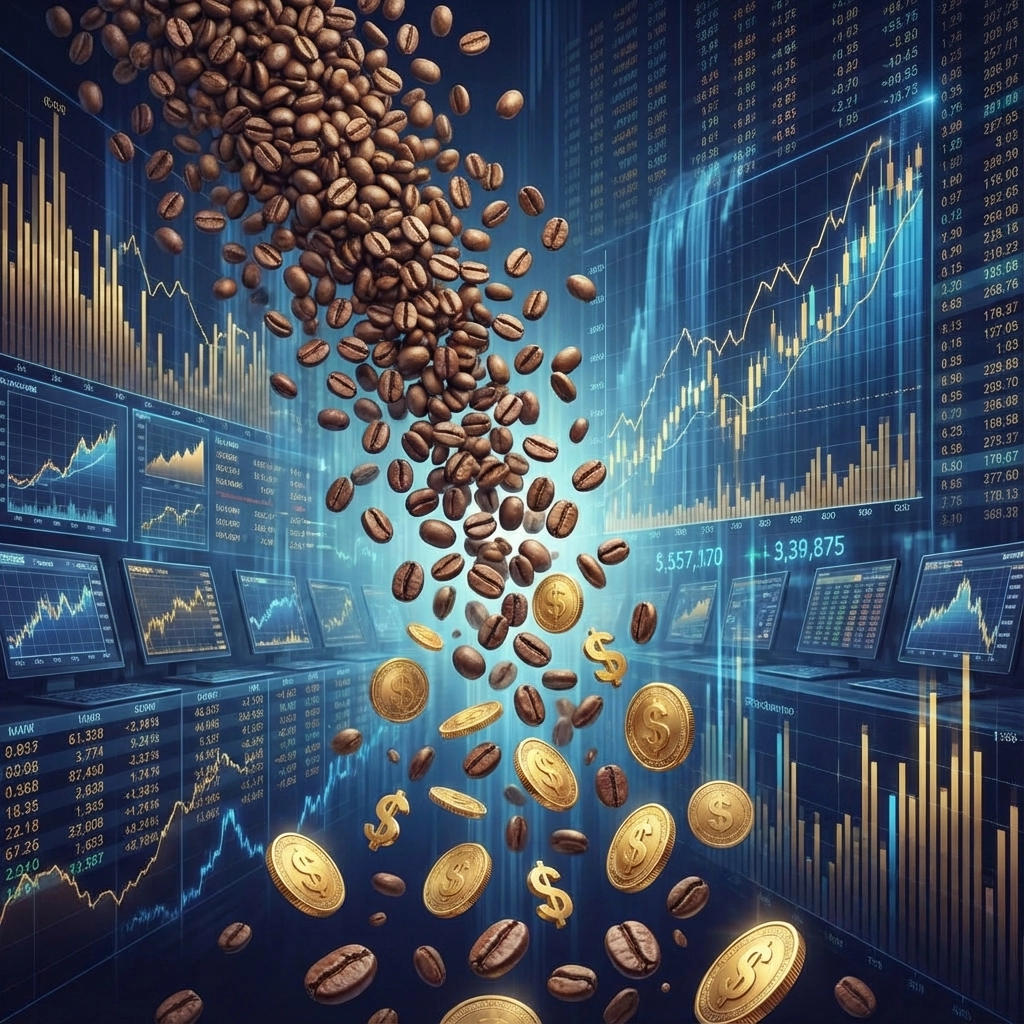
Here's where it gets really frustrating for regular people: Financial traders and big investors started treating coffee like a stock. When they saw prices rising, they jumped in to make money off the trend, buying coffee futures contracts and driving prices even higher.
It's the same thing that happens with oil or gold: when investors smell money, they pile in and make price swings bigger than they need to be. Your morning coffee became a Wall Street profit center.
The Historical Context (AKA: Your Dad Wasn't Crazy)
Let's put this in perspective. Retail ground coffee hit a record $7 per pound in January 2025, compared to $4 per pound in January 2020. That's a 75% increase in five years.
But here's the kicker: The last time coffee had a major price crisis was in 1977. Back then, prices shot up five times higher but came back down within a year. This time feels different because climate change isn't going away, and global demand keeps growing.
Your dad really could get decent coffee for 50 cents because:
- Climate was more stable
- Fewer people drank coffee globally
- Financial markets weren't as involved in commodity trading
- Coffee shops were simpler (no $15 specialty drinks)
What This Means for Your Wallet
So what's a regular person supposed to do? First, understand that cheap coffee isn't coming back anytime soon. The days of $1 gas station coffee are probably over.
But here's the silver lining: You're not powerless. You can:
- Buy coffee in bulk when it's on sale
- Learn to make better coffee at home (it's cheaper per cup)
- Look for local roasters who buy direct from farms (often better quality for similar prices)
- Accept that coffee is now a premium product, not a cheap commodity
The Bigger Economic Picture
Coffee is a perfect example of how global economics works in the real world. It's not just supply and demand in a textbook: it's climate change, international trade, financial markets, and changing consumer habits all crashing together.
This same pattern is happening across lots of products. Chocolate, vanilla, wine grapes: anything that depends on specific growing conditions is getting more expensive as weather becomes less predictable.
Understanding this helps you make better decisions about your money. When you see prices rising on things you buy regularly, ask yourself: Is this temporary inflation, or is this a fundamental change in how much something costs to produce?
The Bottom Line
Your dad's cheap coffee existed in a different world: one with more stable climate, fewer global coffee drinkers, and simpler financial markets. We're not going back to that world.
The good news? Once you understand why coffee costs what it does, you can plan for it instead of being surprised every time you see the price at checkout. Knowledge is power, especially when it comes to your daily caffeine budget.
So the next time someone complains about coffee prices, you can explain the economics in under 3 minutes. Brazil's climate problems, China's growing coffee habit, and Wall Street speculation all walked into a bar… and your coffee got expensive.
Stay caffeinated, stay informed, and keep asking the right questions about your money.
John Flynn
Partner, Regular Guy Economics
P.S. – If you found this helpful, check out more real-world economics explanations at Regular Guy Economics. We break down the economic forces that actually affect your daily life: no PhD required.