



If you've been using a credit card to buy your morning coffee or weekend groceries, you just became part of the biggest financial settlement in recent history. Visa and Mastercard agreed to pay $38 billion to settle a lawsuit that's been brewing for over 20 years. But before you start planning how to spend your cut of that money, let's talk about what this actually means for your wallet.
Spoiler alert: You're not getting a check in the mail. But your checkout experience? That's about to change in ways you might not see coming.
What Just Happened Here?
Think of this settlement as the final bell in a boxing match that started when your flip phone was still cool. For two decades, merchants have been fighting Visa and Mastercard over something called "swipe fees" – the invisible charges that happen every time you tap, insert, or swipe your card.
Here's the thing: when you buy a $5 latte with your credit card, the coffee shop doesn't actually get $5. They get something like $4.85 after Visa and Mastercard take their cut. Those few cents might not sound like much, but when you're running a business where every penny counts, it adds up faster than your monthly streaming subscriptions.
The lawsuit claimed these fees were artificially inflated because Visa and Mastercard basically had a monopoly. After 20 years of legal battles, they finally said "uncle" and agreed to the largest antitrust settlement in U.S. history.

The Fine Print: What's Actually Changing
Let's break down what this settlement actually does, because the details matter more than the headline number.
Swipe Fees Are Going Down (A Little)
Starting soon, the fees that merchants pay will drop by about 0.1 percentage points over five years. For regular consumer credit cards, these fees will be capped at 1.25% for eight years. That's roughly a 25% reduction from current levels.
To put that in perspective: if you spend $100 on your card, the merchant currently pays about $1.60 in fees. Under the new deal, they'll pay closer to $1.25. It's not revolutionary, but it's something.
Merchants Get New Powers
Here's where things get interesting for your checkout experience. Merchants now have two new tools they didn't have before:
First, they can pick and choose which types of cards to accept. Don't want to deal with high-fee rewards cards? They can say no to those while still accepting basic Visa and Mastercard. It's like being able to refuse premium gas while still selling regular – something that wasn't allowed before.
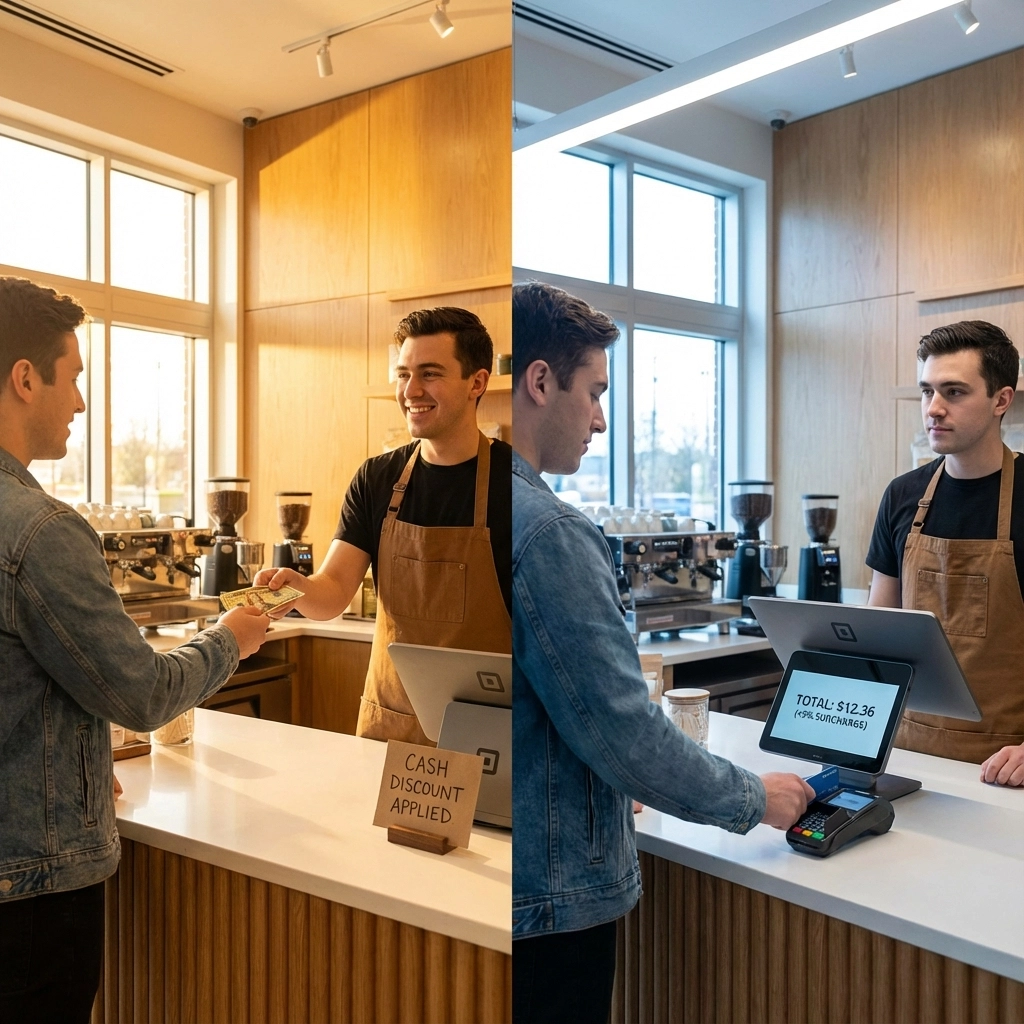
Second, they can charge you extra fees for using a credit card, up to 3% of your purchase. This surcharge option was limited before, but now it's wide open.
What This Means When You're Checking Out
The million-dollar question is whether you'll actually notice any difference when you're standing at the register. The answer is complicated, and it depends on which merchant you're dealing with.
The Good News
Some merchants might pass their savings along to customers. If your favorite restaurant is saving money on credit card fees, they might lower menu prices or offer discounts. Think of it like a reverse gas tax – when costs go down, prices could follow.
The Not-So-Good News
Remember that 3% surcharge option? Get ready to see more signs saying things like "Credit card users pay 3% extra" or "Cash discount available." What used to be a rare sight might become as common as "Employees must wash hands" signs.
This isn't necessarily bad – it just makes the real cost of using credit more transparent. You'll know exactly what convenience is costing you.
Your Rewards Cards Might Get Less Rewarding
Here's where things get tricky for points and cash-back enthusiasts. Those generous 2% cash back or 5x points cards? They work because card companies charge merchants higher fees to fund those rewards.
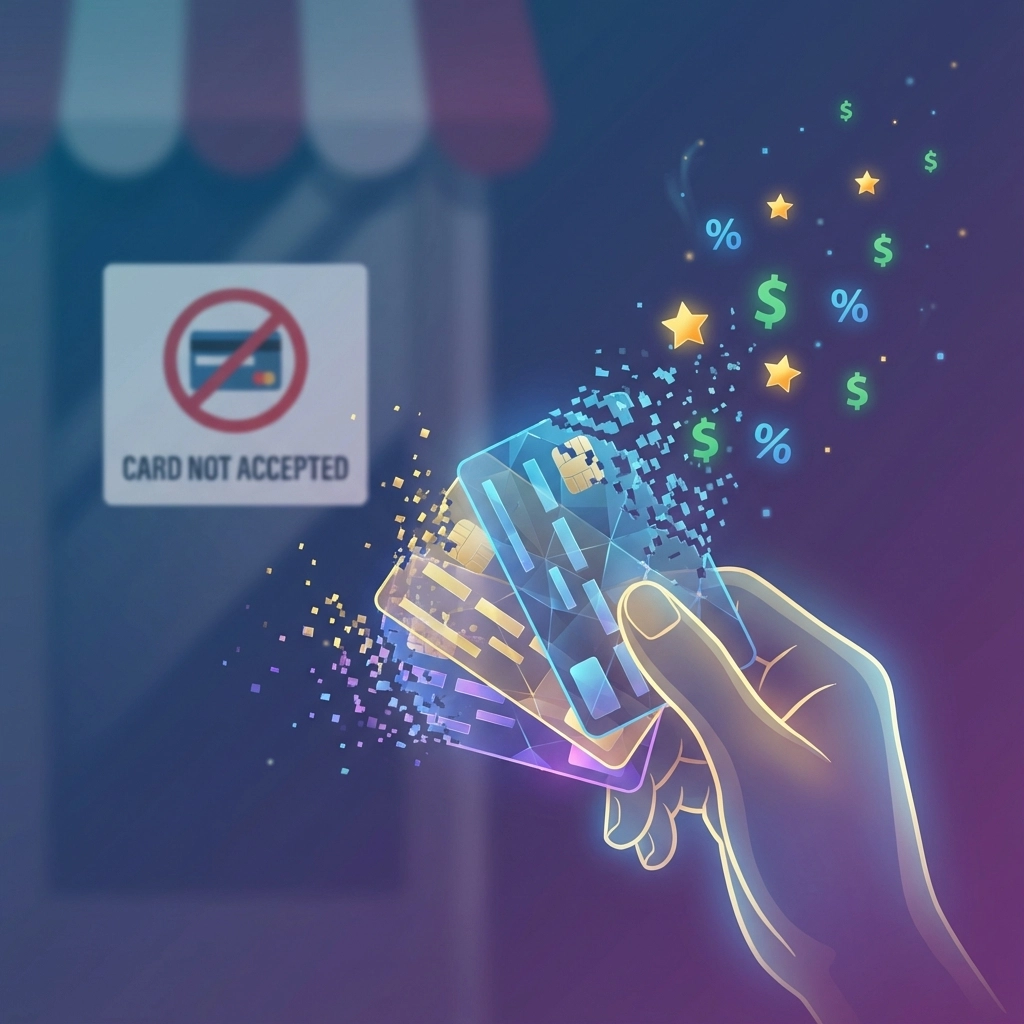
Now that merchants can refuse high-fee cards, your premium rewards card might not be accepted everywhere. Card companies might respond by dialing back rewards to keep their cards attractive to merchants.
It's like a game of economic Jenga – pull out the high fees, and some of the reward structure might wobble.
The Bigger Economic Picture
This settlement isn't happening in a vacuum. It's part of a broader push to make payment systems more competitive and transparent. Think of it as the financial equivalent of nutrition labels – you're about to see the real cost of things that used to be hidden.
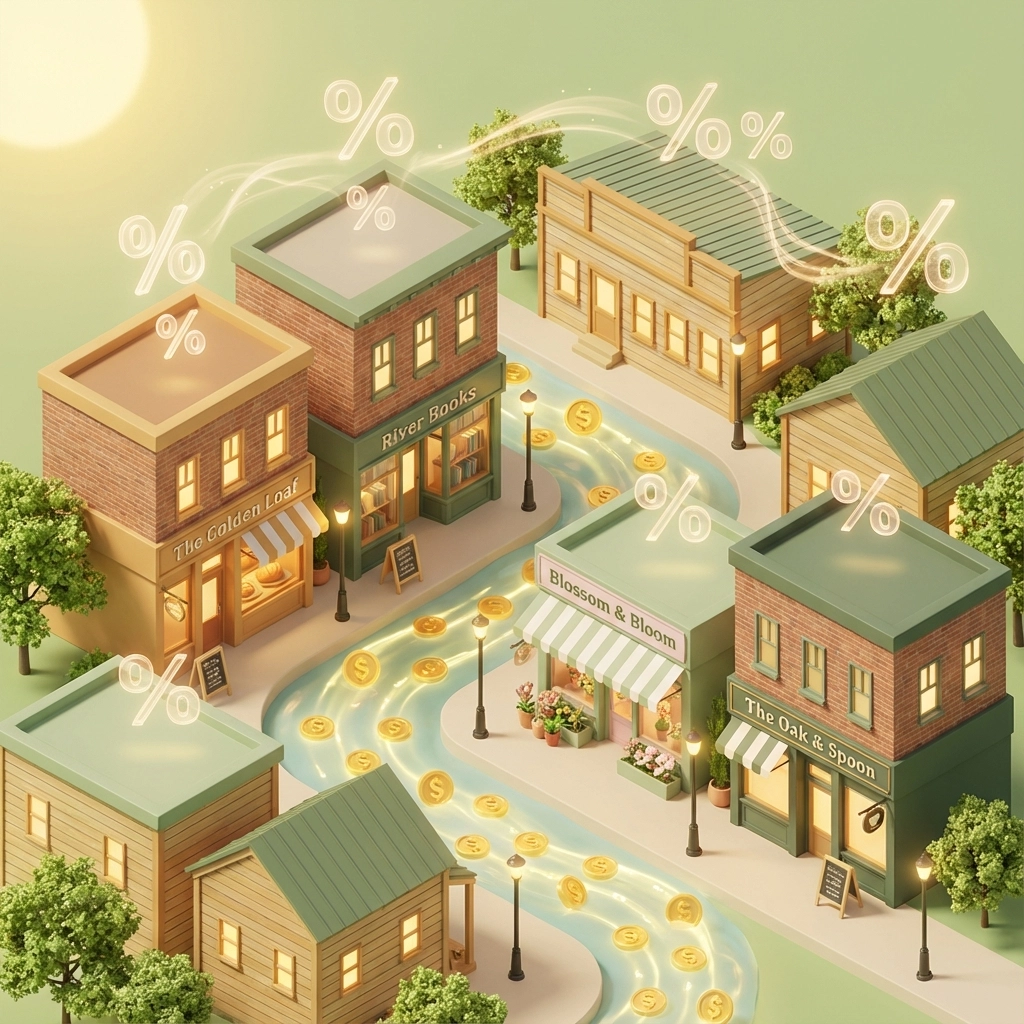
For small businesses, this could be genuinely helpful. That local bakery or bookstore that's been absorbing thousands in credit card fees each year might actually have some breathing room. In an economy where small businesses are struggling with everything from rent to labor costs, even small savings matter.
For consumers, the effects will vary. If you're someone who pays cash or debit for everything, you might see some prices drop. If you're a heavy credit card user who loves rewards, you might face more surcharges and fewer perks.
Don't Count Your Savings Yet
Before you start planning how to spend the money you might save, remember that this settlement still needs approval from a federal judge. The same judge who previously rejected a $30 billion version of this deal for not being good enough.
Even major merchant groups like the National Retail Federation are saying this settlement doesn't go far enough. It's like getting a group of people to agree on pizza toppings – just because Visa and Mastercard said yes doesn't mean everyone's happy.
The court approval process could take months, and there's no guarantee it'll pass as-is. Legal challenges and modifications are still possible.
What Should You Do Right Now?
Honestly? Not much. This isn't like a policy change where you need to update your autopay or call your bank. The changes, if they happen, will roll out gradually over several years.
But it's worth paying attention to a few things:
Keep an eye on surcharge notices at your favorite stores. That $3 convenience fee for using a card might become more common.
Consider how much you value credit card rewards. If your 2% cash back card starts getting declined places or the rewards get reduced, you might want to have a backup payment strategy.
Don't expect dramatic price drops overnight. Even if merchants save money on fees, they're not required to pass those savings along to customers.
The Bottom Line
This settlement represents the biggest shake-up in credit card fees in decades, but the day-to-day impact for most people will be gradual and subtle. You probably won't wake up tomorrow to dramatically different checkout experiences.
What you will see is more transparency about what credit cards actually cost, both for merchants and for you. That transparency might make some purchases slightly cheaper and others slightly more expensive, depending on how you pay.
The real winners here are likely to be small businesses that have been paying these fees for years without any negotiating power. The real question mark is whether those savings trickle down to customers or just help business owners keep their doors open in an expensive economy.
Either way, it's a reminder that even the most routine parts of our financial lives – like swiping a card for coffee – are built on complex systems that most of us never think about. Sometimes it takes a $38 billion settlement to remind us that there's no such thing as a free lunch, even when you're paying with plastic.
The next time you tap your card at checkout, just remember: you're not just buying a product, you're participating in a massive financial ecosystem that just got its biggest overhaul in a generation.
Stay curious, stay informed, and remember – in economics, like in life, the devil is always in the details.
John Flynn, Regular Guy Economics