



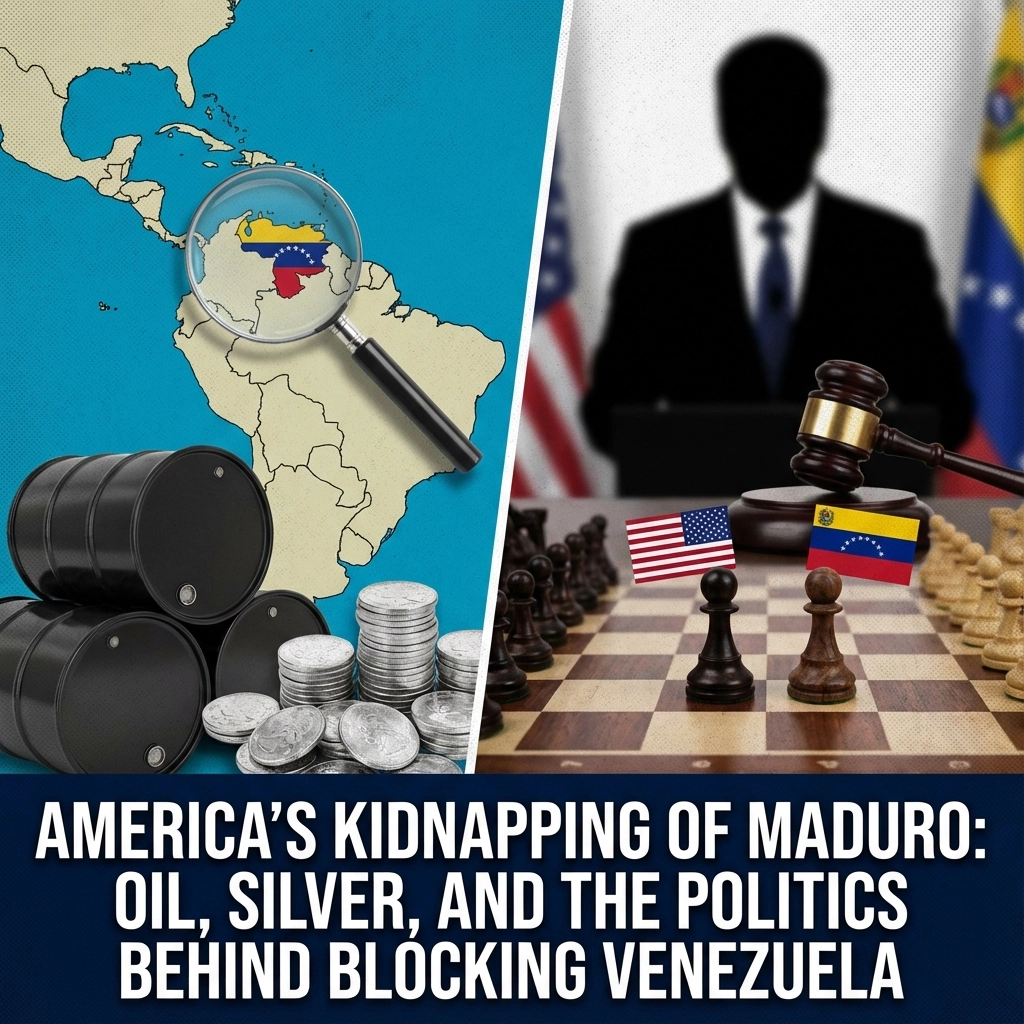
Let's cut through the noise here. The headlines are screaming about Maduro's "capture" in Venezuela, and depending on which news source you trust (spoiler alert: trust none of them completely), we're either witnessing a democratic uprising or the latest chapter in America's playbook of regime change. But here's what your average news report won't tell you: this isn't really about democracy or human rights. It's about oil, money, and who gets to call the shots in the global economy.
The Oil Chess Game Nobody's Talking About
Venezuela sits on the world's largest proven oil reserves. We're talking about roughly 300 billion barrels of crude – more than Saudi Arabia, more than Russia. For years, Maduro's been selling that black gold to China and Russia, effectively giving Washington the middle finger while building economic ties with America's biggest rivals.
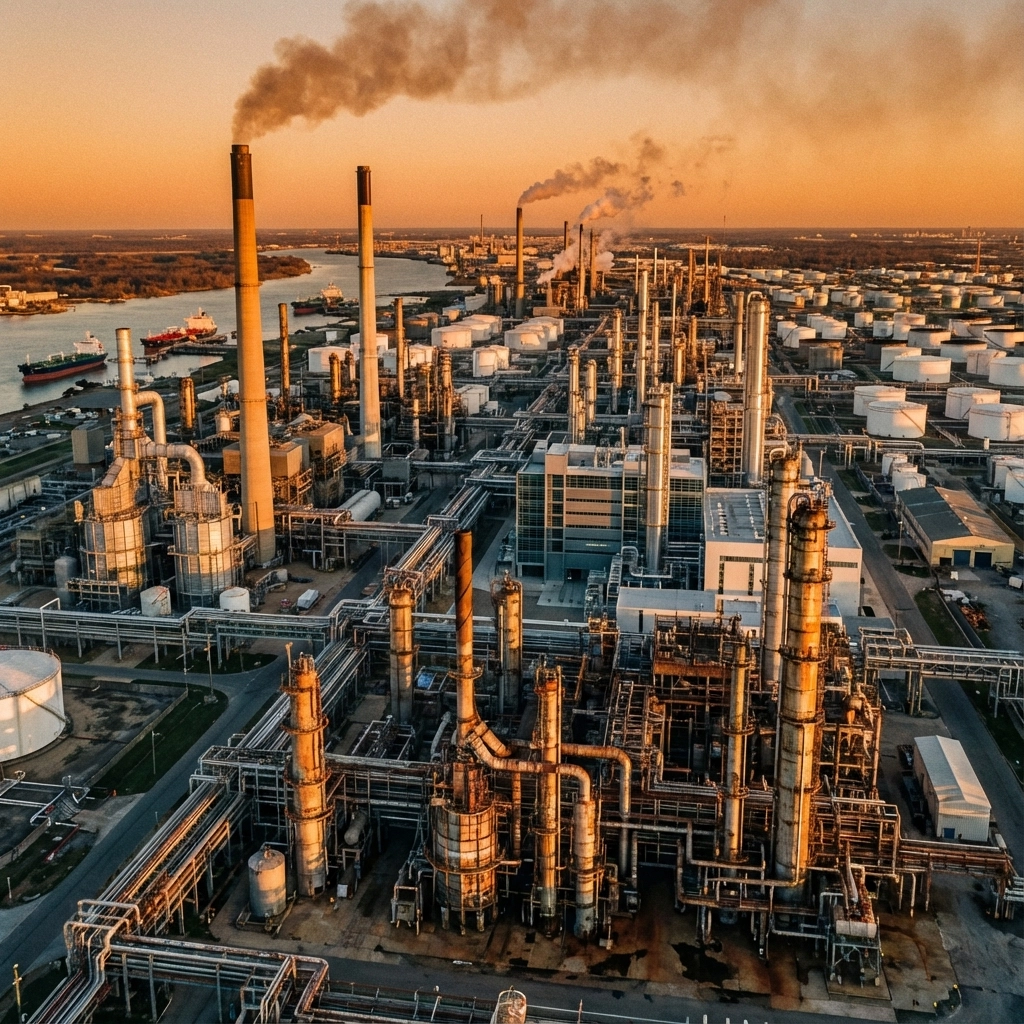
Now, with Maduro out of the picture, guess who's suddenly interested in "helping" Venezuela get back on its feet? That's right – American oil companies. Chevron, ExxonMobil, ConocoPhillips are all licking their chops at the prospect of getting back into Venezuelan oil fields. But here's the kicker: it's going to cost upwards of $100 billion and take a decade to modernize Venezuela's crumbling oil infrastructure.
The timing isn't coincidental. Cut off Venezuela's oil supplies to China and Russia, and you're basically choking two of America's biggest economic competitors. It's economic warfare dressed up as humanitarian intervention, and frankly, it's pretty effective if you can pull it off.
The SWIFT Kick in the Teeth
Here's where things get really interesting for us regular folks. Venezuela, like several other countries that have grown tired of Uncle Sam's financial dominance, has been trying to circumvent the SWIFT banking system. For those who don't know, SWIFT is basically the financial highway that processes international payments – and it runs through American-controlled territory.
When countries try to trade oil in currencies other than the US dollar, or when they attempt to build alternative payment systems, Washington gets nervous. Very nervous. Because the moment other countries stop using dollars for major transactions, America loses a massive chunk of its global economic leverage.

Venezuela's been working with countries like Iran, Russia, and China to develop alternative payment systems. They've been accepting yuan, rubles, and even cryptocurrency for oil payments. From Washington's perspective, this isn't just trade – it's economic treason.
Silver Linings (Literally)
Now, why should regular Americans care about silver in all this mess? Here's the thing: when geopolitical tensions ramp up and traditional currencies start looking shaky, precious metals tend to get a boost. Silver, in particular, has been flying under the radar while everyone's been obsessing over gold.
Venezuela happens to have significant silver reserves, and their attempts to move away from dollar-denominated trade have implications for precious metals markets. When countries start questioning the dollar's dominance, they typically start stockpiling real assets – including silver.
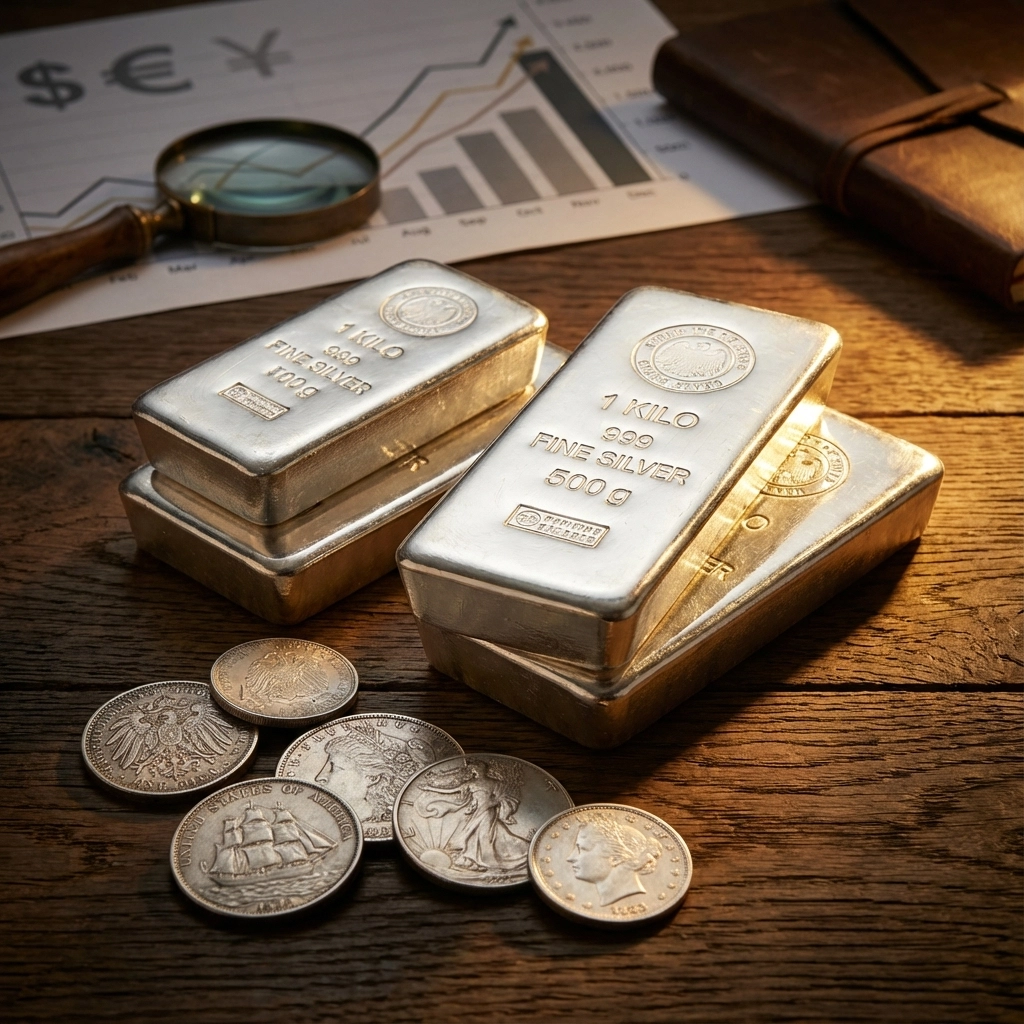
For regular investors, this creates an interesting situation. Silver's already been underperforming relative to gold, but geopolitical disruptions like this tend to wake people up to the value of holding physical assets. The industrial demand for silver isn't going anywhere (thanks to green energy initiatives), and now you've got potential monetary demand on top of that.
Iran: The Next Stop on the Tour?
If you think Venezuela was just about Venezuela, you're not paying attention. This playbook looks suspiciously similar to the economic pressure campaigns we've seen before. Iran's been dealing with similar tactics for years – sanctions, banking restrictions, attempts to isolate them from global markets.
The pattern is always the same: target a country's ability to sell oil, cut them off from international banking, create economic chaos, then swoop in with "solutions" that happen to benefit American interests. Iran's been watching the Venezuela situation very carefully, and they know they're probably next on the list for escalation.
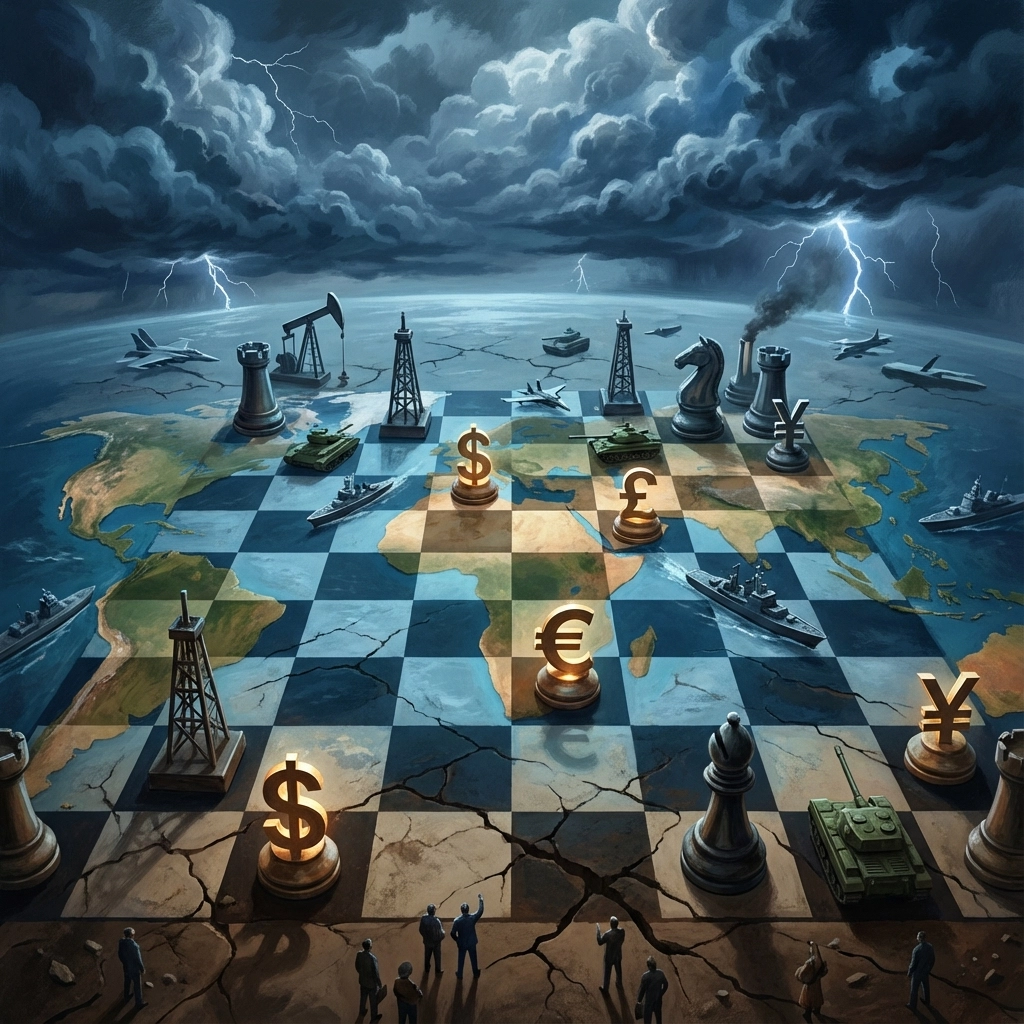
Iran's been developing its own alternative payment systems and strengthening ties with Russia and China. Sound familiar? The difference is Iran's been at this game longer and they've had more time to prepare for economic warfare.
What This Means for Regular Americans
Here's the uncomfortable truth: most Americans have no idea how much our standard of living depends on the dollar's status as the world's reserve currency. When countries use dollars for international trade, it creates artificial demand for our currency. That demand helps keep inflation in check and allows us to run massive budget deficits without immediate consequences.
But every time a major oil producer tries to move away from dollar-based trade, it chips away at that foundation. Venezuela might seem like a small player, but it's part of a larger trend. Russia's building alternative payment systems. China's pushing the yuan for international trade. Even allies like Saudi Arabia are starting to accept other currencies for oil.

The Venezuela situation isn't just about one country's politics – it's about preserving a financial system that's been incredibly beneficial for American consumers and investors. The question is whether these aggressive tactics will work long-term, or if they'll just accelerate other countries' efforts to build alternatives.
The Real Game Being Played
Let's be honest about what we're watching here. This isn't about bringing democracy to Venezuela or protecting human rights. It's about maintaining American economic hegemony in a world where that dominance is increasingly being challenged.
The removal of Maduro (however it happened) serves multiple strategic purposes: it cuts off oil supplies to America's rivals, it sends a message to other countries considering alternatives to the dollar system, and it potentially opens up massive business opportunities for American companies.
Is it effective? Probably, in the short term. Is it sustainable? That's the million-dollar question. Every time Washington uses these tactics, it reinforces other countries' motivations to build alternative systems. It's like squeezing a balloon – the pressure just moves somewhere else.
For regular folks trying to protect their wealth and understand what's coming next, the key is recognizing that we're living through a massive shift in global economic power. The old rules are being rewritten, and the countries that adapt fastest to the new reality will come out ahead.
Whether that's good or bad for average Americans depends largely on how well our leaders navigate these changes – and based on recent history, that's not exactly reassuring. Keep your eyes open, diversify your assets, and remember that in times like these, the official story is usually just the tip of the iceberg.
Bottom line: expect more financial hardball, more narratives dressed up as humanitarian fixes, and more pressure on anything that threatens dollar dominance. Protect your household balance sheet, question convenient headlines, and prepare for a world where the rules keep shifting. "Be mindful, be watchful and good luck."