



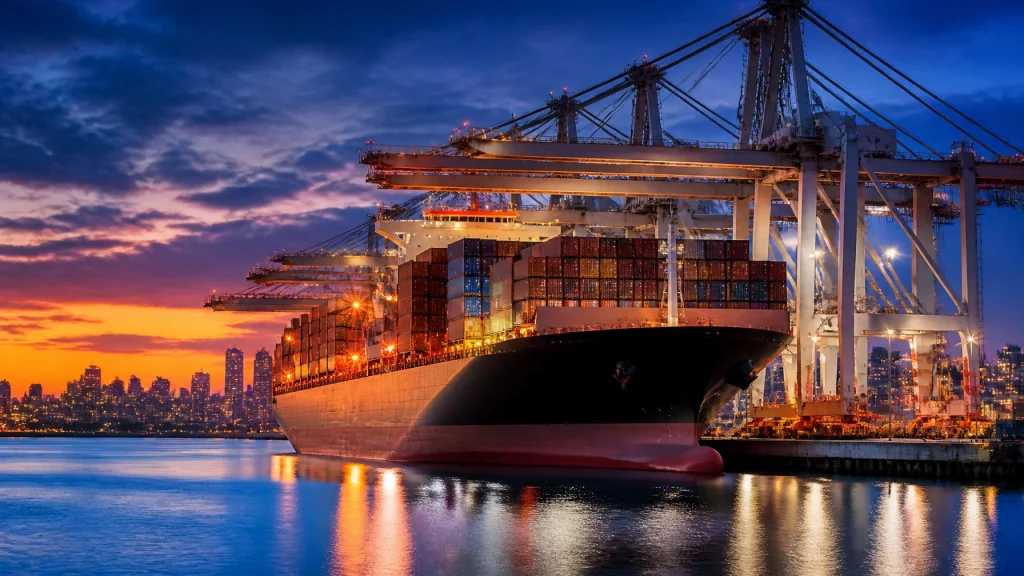
If you’ve been watching the news lately, you’ve probably seen some big, scary numbers flying around about the "Trade Deficit." Specifically, the latest report from May 2026 shows that the U.S. goods and services trade deficit took a massive leap: jumping from a revised $54.6 billion in April to a staggering $77.6 billion.
That’s a $23 billion widening in just thirty days. It’s the kind of headline that makes most people glaze over and switch to the sports highlights, but here at Regular Guy Economics, we don’t let the madness slide by without explanation. Because while "trade deficit" sounds like something only a guy in a tailored suit on Wall Street should care about, it actually has a direct line to your wallet, your job, and why your favorite electronics are getting more expensive.
The Simple Math of the Deficit
Let’s strip away the jargon. A trade deficit is simply the gap between how much we buy from the rest of the world (imports) and how much we sell to them (exports).
Think of it like a neighborhood bake sale. If you spend $100 buying brownies and lemon bars from your neighbors, but you only manage to sell $20 worth of your own world-famous chocolate chip cookies to them, you have a "trade deficit" of $80. You’re shipping cash out of your house, and in return, you’re getting a lot of snacks.
In the case of the United States in May 2026, we bought $395.3 billion worth of stuff from other countries, but we only sold them $317.7 billion. That $77.6 billion difference is the gap we have to fill. And just like you’d have to figure out how to pay that $80 neighborhood bake sale bill, the U.S. has to figure out how to finance that $77 billion gap: usually by borrowing money from the very people we’re buying from or by selling off assets like real estate or stocks.
Why the Gap Blew Out in May
So, what happened in May? Why did the gap widen by over 40% in a single month? It wasn't just one thing; it was a perfect storm of global chaos and domestic hunger for high-tech gear.
First, exports fell. We sold $10.5 billion less stuff in May than we did in April. This was led by a drop in industrial supplies, non-monetary gold, and pharmaceuticals. When the rest of the world stops buying our industrial parts and medicines, it leaves a hole in our balance sheet.

Second, imports rose. We bought $12.5 billion more stuff from overseas. A big chunk of that was driven by energy. As we’ve discussed in our look at the ongoing conflict near the Strait of Hormuz, the disruption of global oil flows has forced us to buy more expensive energy from alternative sources. When the price of oil goes up and we have to import more of it to keep the lights on, the trade deficit swells like a bruised thumb.
But there’s a "new economy" twist here, too. Imports of capital goods hit a record high of $128 billion in May. Why? Because American companies are in a flat-out arms race to build data centers and Artificial Intelligence (AI) infrastructure. We are importing massive amounts of specialized hardware and chips to fuel the AI boom. We’re buying the future, but we’re buying it from overseas.

Why the "Regular Guy" Should Care
You might be thinking, "So what if we buy more than we sell? I like my imported coffee and my foreign-made phone." And you're right: consumer choice is a hallmark of capitalism. But a persistent, widening trade deficit carries a few hidden costs that eventually show up at your front door.
1. The Value of Your Dollar
When we run a massive trade deficit, we are essentially flooding the world with U.S. dollars to pay for all those imports. Basic supply and demand tell us that when there’s too much of something, its value tends to drop. While the dollar is currently strong (which actually makes imports cheaper for now), a long-term, out-of-control deficit can eventually weaken the dollar. If the dollar loses its punch, everything you buy that comes from overseas: clothes, toys, electronics, and especially oil: becomes more expensive. It’s a slow-motion tax on your lifestyle.
2. The Job Export
When we buy a car made in another country instead of one made in Ohio or Michigan, we are effectively sending the wages for that labor overseas. While the "service economy" has replaced many of these roles, a $105 billion merchandise deficit (the "goods-only" part of the gap) means we are still heavily reliant on other people to build the things we use every day. This is why the trade deficit is often at the center of political debates about "bringing jobs back home."
3. Borrowing from the Future
Remember that $77 billion gap? It has to be paid for. Since we aren’t selling enough goods to cover the cost, we often sell Treasury bonds. This means we are borrowing money from foreign investors and governments to fund our current consumption. It’s like putting your groceries on a credit card that your kids will eventually have to pay off. As we’ve noted in our piece on the federal government's debt addiction, the interest on all this borrowing eventually starts eating the lunch of every other government service.
The Nuance: It’s Not All Bad News
Before you head for the storm cellar, let’s add a little perspective. Economists often argue that a trade deficit is actually a sign of a strong economy.
Think about it: Why are we importing so much? Because Americans have money to spend. We are buying cars, cell phones, and high-end tech because our economy is growing and consumers feel wealthy enough to keep clicking "Add to Cart." In contrast, a country with a huge "trade surplus" is often a country where the citizens are too poor to buy anything from abroad, so they have to sell everything they make to someone else.
Furthermore, the record-high imports of AI hardware aren't just "consumption": they are an investment. We are importing the tools today that will (hopefully) make American businesses more productive and profitable tomorrow.

The Big Picture
The May blowout in the trade deficit doesn't exist in a vacuum. It’s tied directly to the inflation fight being led by Fed Chair Kevin Warsh. A strong dollar, which Warsh's policies support, makes those imports cheaper, which actually helps keep a lid on inflation. But that same strong dollar makes our exports more expensive for people in Europe or Asia to buy, which is why our exports fell in May.
It’s a giant, interconnected web of "Damned if you do, damned if you don't." We want cheap imports to fight inflation, but cheap imports widen the trade deficit. We want to sell more exports to create jobs, but that requires a weaker dollar, which would make your gas and groceries even more expensive.
This tension is exactly why 61% of the public is pessimistic about the economy, according to that recent CNBC survey. Even when the stock market is booming and the headline numbers look "fine," the regular guy can feel the underlying instability. You see the trade deficit widening, you see the conflict in the Middle East pushing up energy costs, and you feel the pinch in your own pocketbook.

The trade deficit is the ultimate scoreboard of our global shopping habit. For now, we’re the world’s best customers. We’re buying the tech, the energy, and the consumer goods that keep the global gears turning. But as that $77 billion monthly gap shows, being the best customer in the world is an expensive title to hold.
We need to keep a watchful eye on whether we are importing the tools for future growth or just more "Funflation" treats we can't really afford. As the saying goes, there’s no such thing as a free lunch: and there’s certainly no such thing as a free $77 billion trade gap.
Be mindful, be watchful and good luck.