



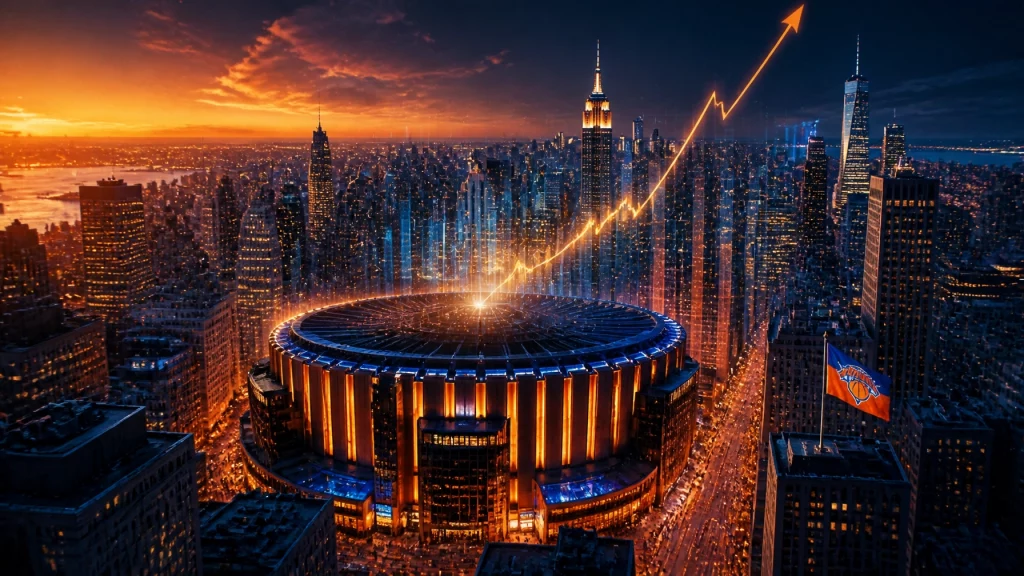
The ghost of 1973 has finally been exorcised. After fifty-three years of hope, heartbreak, and enough false starts to qualify as a civic trauma response, the New York Knicks have secured the 2026 NBA Championship. The quick headline is the playoff sugar rush: packed bars, stupidly expensive tickets, and a parade that turns Lower Manhattan into one giant orange-and-blue cash register.
But the smarter story is not the $465 million playoff bump. The smarter story is the championship hangover value that can linger for years. A title changes the pricing power of Madison Square Garden, the tourist appeal of New York, the tax take for the city, and even the psychology of local consumers. This is where the real money lives. Game 5 beer sales are fun. The 2027-and-beyond revenue stream is where things get serious.
Beyond the Parade Money
Economic impact in sports is often a game of "guestimation," but one part is obvious: championships reprice assets. A one-off playoff run creates temporary spending. A title creates something richer, a permanent premium. Demand for Knicks tickets, corporate suites, sponsorship inventory, branded merchandise, and tourism doesn’t simply spike and disappear. It resets higher because the franchise is no longer selling nostalgia. It is selling relevance, prestige, and the possibility that this was the start of something bigger.

Think about the hospitality sector. Roughly 11% of New York City’s workforce is tied to hospitality, and those 440,000 workers have been on overdrive for the last two months. Extra shifts, record-breaking tips, and a level of consumer velocity that we haven’t seen since… well, ever. When the Knicks win, the bartender at your local dive in Queens isn't just happy as a fan; they're looking at a rent payment that’s finally covered by a Tuesday night shift.
The Dynasty Premium
There is a clear divide in the championship economy: the one-night celebration and the multi-year repricing of the Garden itself. For Game 5, the "get-in" price for a seat in the nosebleeds hit a staggering $5,000. That was the appetizer. The entrée is what happens next.
A championship gives MSG something every monopoly dreams about: permanent pricing power. Season tickets can be repriced. Waiting lists grow. Sponsors stop negotiating like they are buying ad space and start bidding like they are buying access to a luxury tribe. If the Knicks stay good, or even just remain credible contenders, the building can charge a dynasty premium for the next three to five years.
Inside Madison Square Garden, the economics were already tilted toward the 1%. Corporate suites were packed with hedge fund managers, celebrities, and firms happy to expense the privilege. A title gives MSG a green light to hike suite renewals, raise club seat packages, and charge more for premium partnerships. In plain English, one banner can inflate the price of everything attached to it. That is not theory. Championship franchises across sports routinely convert winning into longer sponsorship deals, higher renewal rates, and richer hospitality packages. The ticket was not just for Game 5. It was a preview of the new baseline.

But for every person inside the Garden, there were 10,000 regular guys at the local bar. That matters in the short run, but the long game is even bigger. A championship tells the outside world that New York is not just a famous city with expensive pizza and Broadway. It is a live sports capital again.
The Halo Effect on NYC Tourism
This is where the earlier "Slam Dunk" style playoff math starts to look small. The next layer is tourism. A title creates a halo effect that reaches far beyond Midtown sports bars. International fans, weekend travelers, luxury tourists, and corporate clients are suddenly more likely to build a trip around seeing the defending champs at the Garden. That means hotel nights, not just happy hour tabs.
And those hotel nights are not cheap. In New York, a serious visitor can burn through $500 a night on a hotel without even trying. Add high-end dining, ride shares, shopping, Broadway, and a pilgrimage stop to MSG, and one basketball-motivated tourist can spend what a local fan spends over weeks. That is why a championship matters so much more than a parade route. It broadens the city’s customer base from local diehards to global spenders.
A winning city also becomes easier to market. Tourism boards do not have to invent excitement when the footage already exists. Confetti, celebrities, packed streets, a roaring Garden, and endless social clips do the advertising for free. In a city that already knows how to monetize foot traffic, a sports halo is jet fuel.
The Multiplier Effect: Why Confetti Pays for Property Taxes
The multiplier effect still matters, but the timeline gets longer after a championship. When people descend on Manhattan for a parade or a title-defense season, they are taking the subway, buying pizza, grabbing "Knicks 2026 Champions" hats from street vendors, and inevitably spending more than planned. Then the city takes a cut at nearly every turn.

The Multiplier Effect works like this:
- Direct Spending: A fan buys a $150 championship hoodie or pays a premium for a hotel room near the Garden.
- Indirect Spending: The retailer reorders inventory, the hotel adds staff hours, and suppliers move more product.
- Induced Spending: Workers with fatter paychecks spend more across the city on rent, groceries, transit, and entertainment.
By the time that spending has circulated, the city is collecting more than applause. New York gets revenue from higher sales tax collections on merch and meals, more income tax from MSG workers, restaurant staff, hotel workers, and security crews logging stronger earnings, and potentially higher property values around one of the world’s most famous arenas. In a city where real estate pricing feeds public finances, a neighborhood wrapped in year-round championship energy is not just louder. It is more valuable.
Civic Psychology vs. Inflation
Perhaps the most fascinating part of this surge is that it is happening in the face of 4.2% inflation. Under normal conditions, that kind of price pressure cools discretionary spending. People pull back. They trade down. They stop buying the extra drink, the better seat, the premium meal, the ridiculous hoodie that costs as much as a utility bill.
A title can interrupt that behavior for a while. Not forever, but long enough to matter. A winning city spends more freely because confidence is contagious. Economists love to track hard data, but civic psychology is real money wearing a Knicks jersey. When a city feels hot, consumers act hotter. They go out more, host more, travel less out of town because the party is local, and tolerate premium pricing they would normally reject.
That does not repeal inflation. It simply delays the local spending slowdown that inflation usually causes. Call it the vibe-shift cushion. The bills still exist, but the willingness to spend gets stretched by the emotional tailwind of a championship. For local businesses, that is gold. For tax collectors, it is even better.
The 2027 and Beyond Revenue Stream
The championship win is not a one-day event and not even a one-season event. The secondary wave lasts for months, but the championship hangover can last for years. Merchandise will pop immediately, of course. Everyone from the baby in the stroller to the grandmother on the Upper West Side will want a piece of 2026 glory. But the more durable payoff is structural.
The city should see a tax revenue windfall from several angles at once: stronger sales tax on premium merch and food, more taxable income generated by higher event volume and elevated wages or tips, and a longer-term lift in surrounding commercial activity that can support property values around the Garden district. In other words, the public balance sheet gets its own little parade.

Madison Square Garden is once again the center of the basketball universe. For 53 years, it was a shrine to "what if." Today, it is a monument to "finally," and that matters because winning changes pricing, tourism, tax revenue, and consumer behavior long after the confetti gets swept off the street. The $465 million headline was the opening act. The real economics begin in 2027, when the city starts cashing in on the glow.
Be mindful, be watchful and good luck.
Be mindful, be watchful and good luck.