



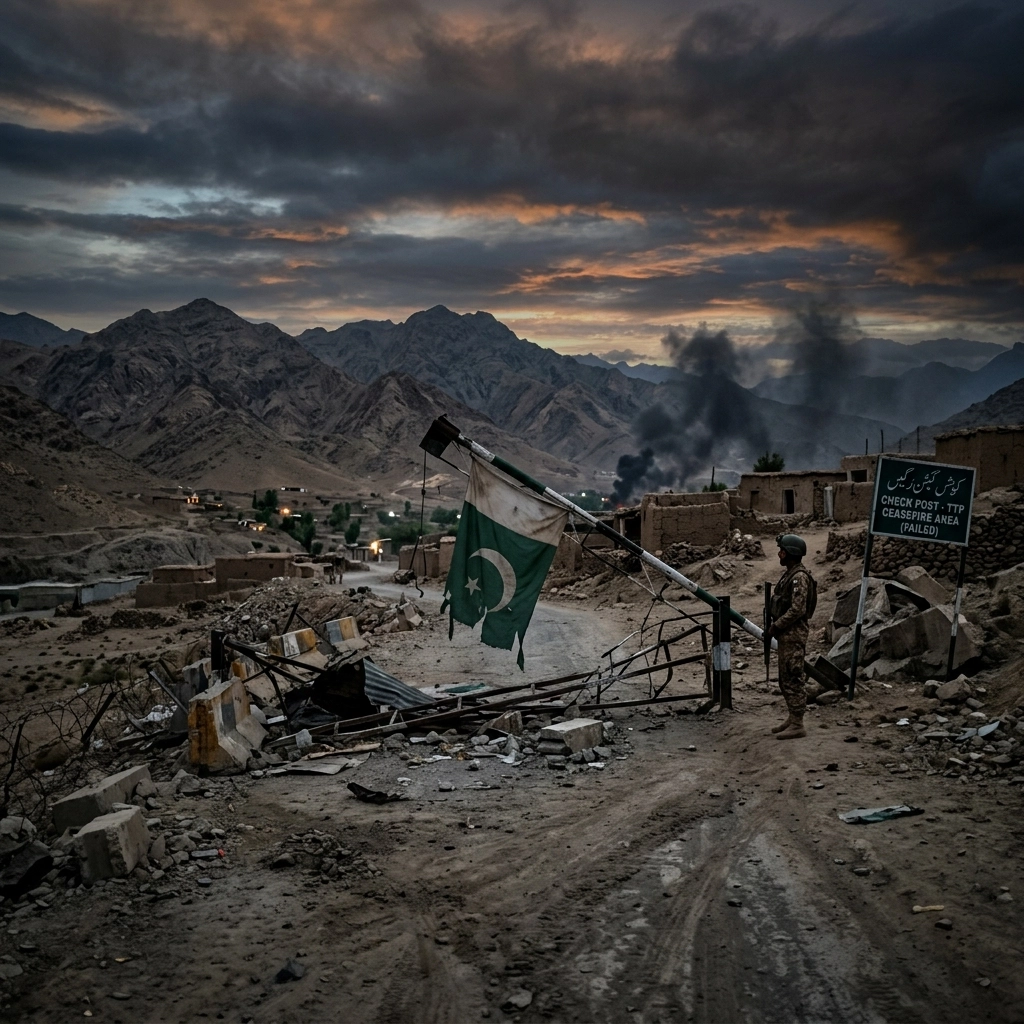
Well, friends, it was a good run while it lasted. For about seventy-two hours last week, we all dared to breathe a little easier. There was talk of a "grand bargain" in Islamabad. Diplomats were smiling, oil prices were actually dipping for a change, and for a second, it felt like the world wasn’t about to set itself on fire.
Then Monday morning happened.
As I’m writing this on Tuesday, April 14, 2026, the mood has shifted from "cautious optimism" to "total panic." The U.S. Navy has officially begun a blockade of Iranian ports, Brent crude is screaming past $100 a barrel again, and the peace talks in Pakistan haven't just stalled: they’ve effectively exploded.
If you’re wondering why your gas tank just got $10 more expensive to fill up overnight, the answer lies in a conference room in Islamabad and a very specific number: $27 billion.
The Game of Telephone that Killed the Deal
To understand why the ceasefire died, you have to understand how it was being built. Pakistan was acting as the middleman, the diplomatic "fixer" trying to bridge the gap between Washington and Tehran. But instead of being a bridge, it turns out they were playing a high-stakes game of telephone where they told both sides what they wanted to hear.
The reports coming out now are messy. It looks like Pakistan circulated two different versions of the proposal. To the U.S., they whispered that the ceasefire was localized and wouldn't include Hezbollah in Lebanon. To Iran, they suggested the truce was "universal": a total stop to the fighting everywhere.
When the dust settled and the fine print was read, the reality hit. Israel, not feeling bound by a deal they didn't think included their northern border, continued operations in Lebanon. Iran felt betrayed. The U.S. felt played. And just like that, the "Peace of Islamabad" became the "Disaster of Islamabad."
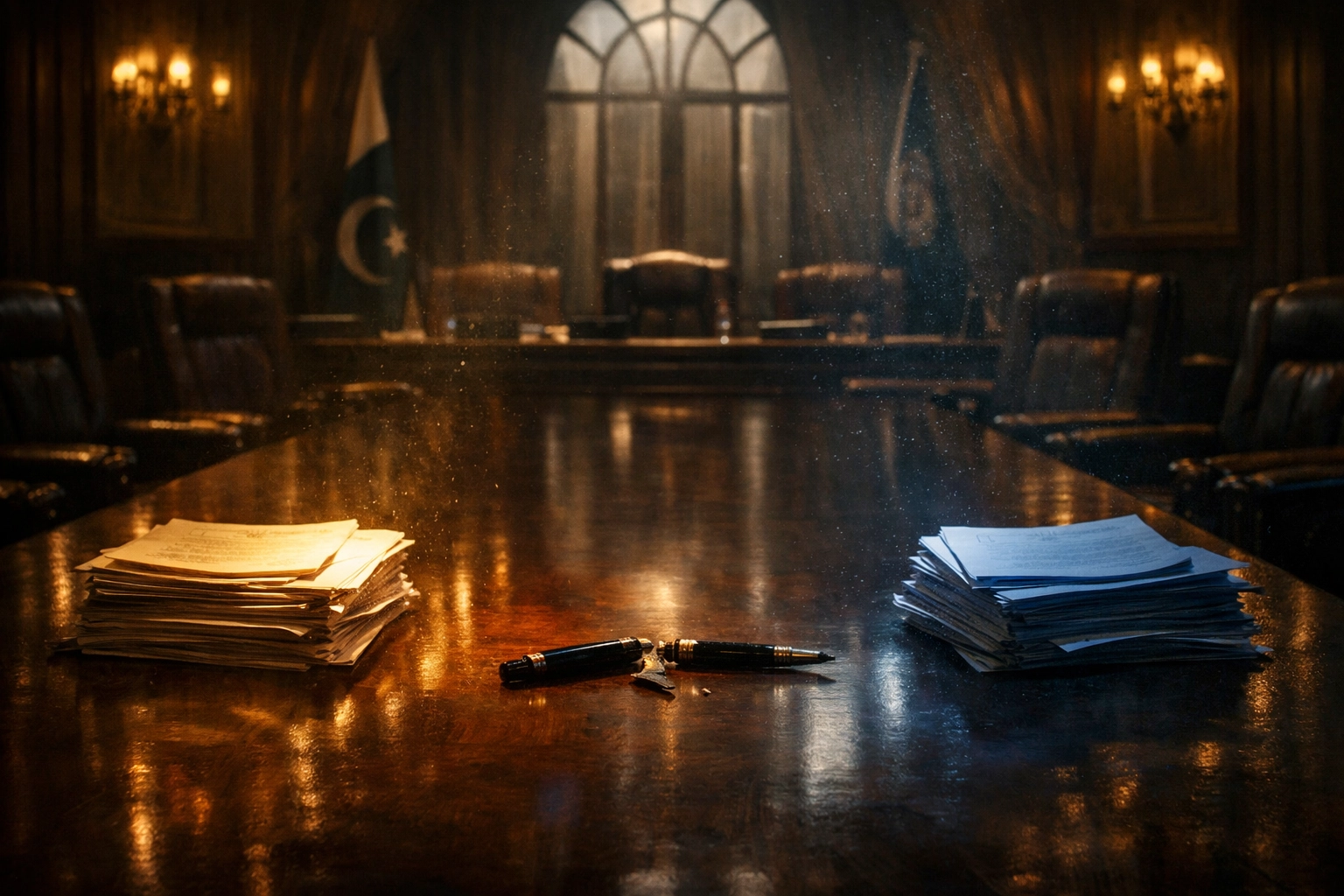
The $27 Billion Poison Pill
But the real deal-breaker wasn't just the confusion over geography. It was the cash.
The talks finally collapsed over $27 billion in frozen Iranian funds. To you and me, $27 billion is an unfathomable amount of money. It’s enough to buy every NFL team twice over and still have change for lunch. But in the world of global geopolitics and "Regular Guy Economics," it’s actually a relatively small price for peace.
Think about it this way: The U.S. economy loses billions every single month that oil stays above $90. High energy prices are a tax on every person who drives to work, every company that ships a package, and every farmer who runs a tractor. We are essentially paying a "War Tax" at the pump every single day.
If $27 billion could have unlocked a permanent ceasefire, the Return on Investment (ROI) would have been massive. It would have paid for itself in lower inflation and stabilized markets within months. But in politics, "sending money to the enemy" is a harder sell than "paying $6 for gas," even if the second option is way more expensive for the average guy.
Why the Market is Freaking Out
The markets aren't just reacting to the fact that the talks failed; they’re reacting to the way they failed. When a ceasefire collapses because of a "trust deficit," it tells investors that there is no floor under this conflict.
Last week, traders were pricing in a "Peace Dividend." They thought the risk was receding. This morning? They are pricing in a "Long War."
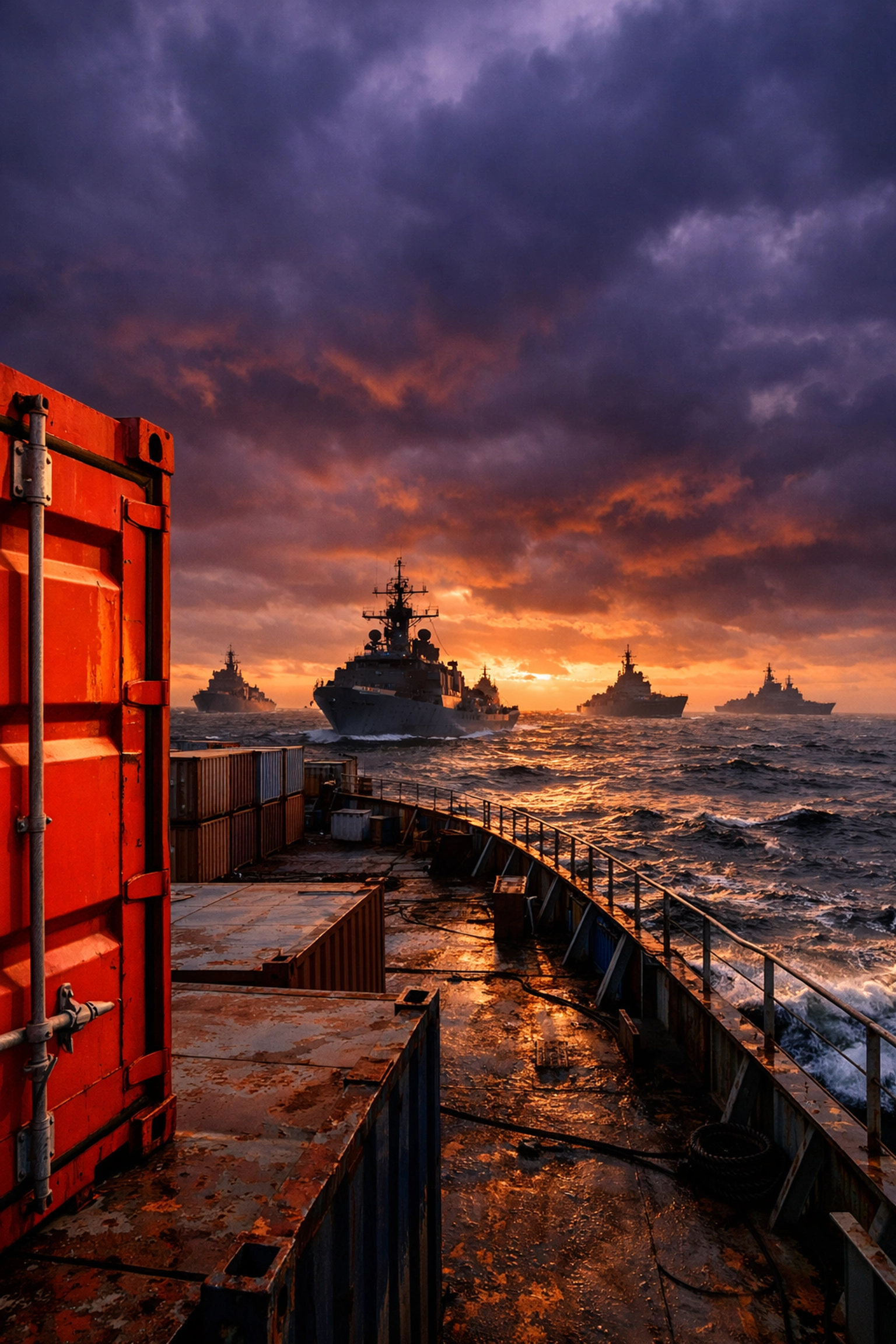
When the U.S. announced the naval blockade at 10:00 AM, it was the ultimate signal that diplomacy is over and "Economic Strangulation" is the new strategy. A blockade is a massive escalation. It’s not just a memo or a sanction; it’s ships in the water, guns uncovered, and a direct challenge to global trade.
The Physics of Blockades and Your Pocketbook
Here is the "Regular Guy" breakdown of what a naval blockade actually does to the economy:
- Supply Shock: Iran's oil revenue: roughly $435 million a day: is being cut off. That’s supply leaving the market. When supply drops and demand stays the same, prices go up. Basic Economics 101.
- Insurance Spikes: Shipping companies aren't stupid. If they have to sail near a blockade zone, their insurance premiums skyrocket. Who pays for that? You do, when you buy anything that came on a boat.
- The "All or None" Threat: Tehran has already warned that if their ports are closed, "no one’s ports are safe" in the Gulf. If the Strait of Hormuz gets messy, $100 oil will look like a bargain. We’re talking $150 or $200.
This is why the 8% jump in oil prices today is so scary. It’s the market realizing that the "safety net" of Pakistani mediation is gone. We are now in a period of "Sticky Risk," where geopolitical tension isn't just a headline: it’s a permanent part of the price of bread, eggs, and fuel.
The Other Bill Hitting Your House
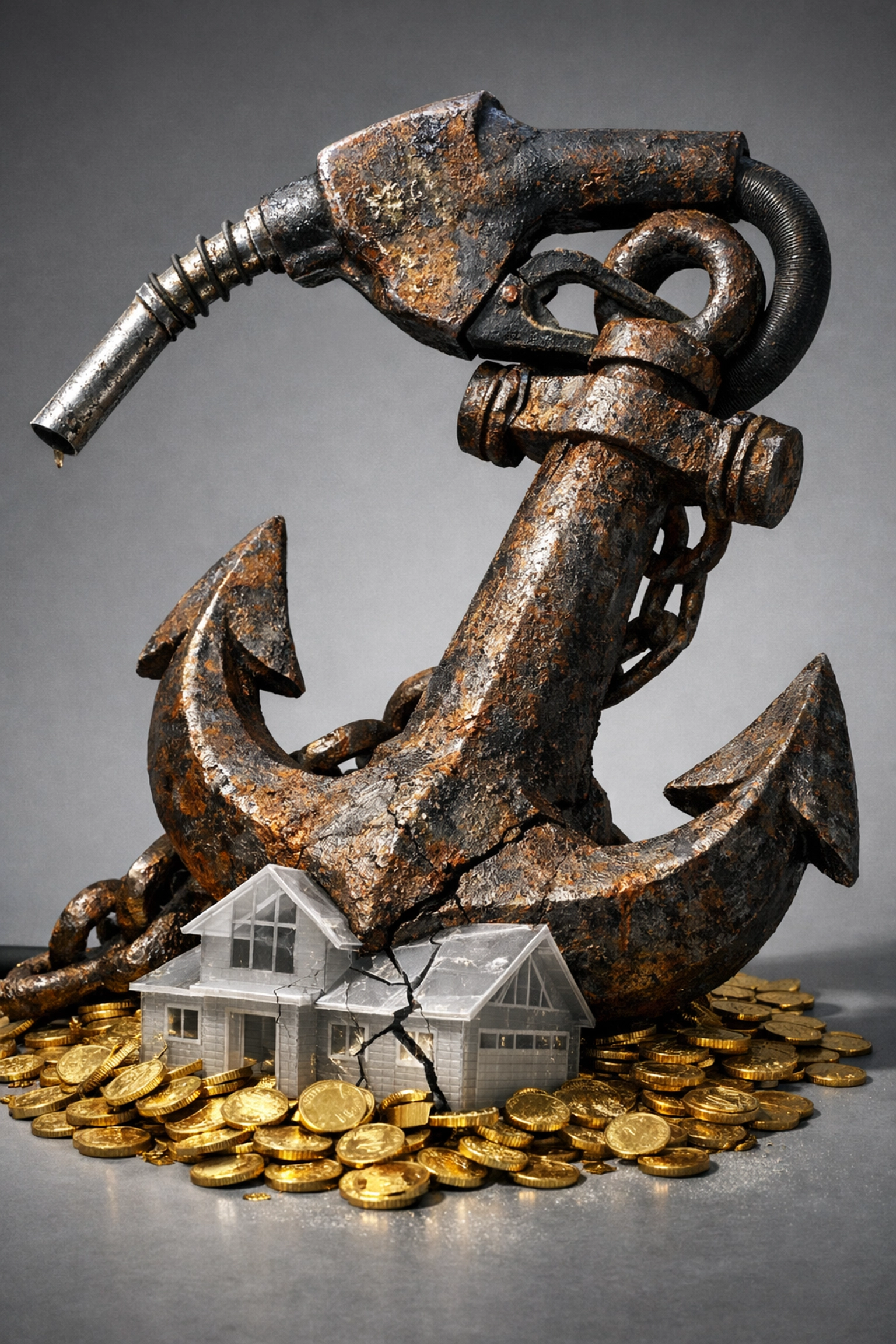
At Regular Guy Economics, the bigger issue here isn't medical spending. It’s credit. When oil spikes, inflation gets sticky, and markets start pricing in a long conflict, the average person doesn’t absorb that shock with cash. They absorb it with plastic.
That’s the real danger running alongside these geopolitical fireworks. Americans are already carrying enormous personal debt, and higher energy costs land right on top of that pile. A more expensive commute goes on the credit card. A grocery bill that jumps by $40 goes on the credit card. A utility bill that shows up looking like a ransom note goes on the credit card. Then the interest meter starts running.
And that meter is brutal. Credit card APRs have been sitting near record highs in recent years, often above 20%, which means a temporary squeeze quickly turns into a permanent payment. Student borrowers are in the same mess from a different direction. Millions are trying to restart payments, manage old balances, and deal with rent, food, and transportation costs that have all moved the wrong way. Add another geopolitical oil shock and you’re not just talking about "inflation." You’re talking about people getting buried one monthly statement at a time.
That’s why the failed ceasefire matters beyond the trading desk. The $27 billion price tag in Islamabad may sound huge, but compare it to what households pay when war keeps oil elevated, borrowing stays expensive, and personal balances keep compounding. The world passed on one upfront bill and handed regular people a revolving one instead.
Does that sound like a good deal to you? Because it doesn't to me.
The Split in the West
Another reason the market is jittery today is the growing rift between the U.S. and its oldest allies. For the first time in recent memory, the UK and France have signaled they won't participate in the naval blockade.
They are looking at their own energy bills and their own angry voters and saying, "No thanks." This lack of a united front creates even more uncertainty. If the West isn't on the same page, the blockade is "leaky," the conflict drags on longer, and the economic pain is distributed unevenly.
When big countries stop playing by the same rules, the "Regular Guy" usually ends up holding the bag.
What to Watch Next
The next 48 hours are critical. If Iran follows through on its threat to disrupt other ports in the Gulf, we are looking at a total supply chain meltdown that will make the 2021 shipping crisis look like a minor inconvenience.
We’re watching the "Peace of Islamabad" turn into the "Blockade of April," and the math just doesn't add up for the average consumer. We’re trading a potential $27 billion settlement for a multi-trillion dollar global economic headache.
The ceasefire is dead. The peace talks are a memory. And the price of everything is about to get a whole lot more "interesting."
Keep an eye on the Brent Crude tickers and your local gas station sign. They’re the only honest historians we have left.
Be mindful, be watchful and good luck.