



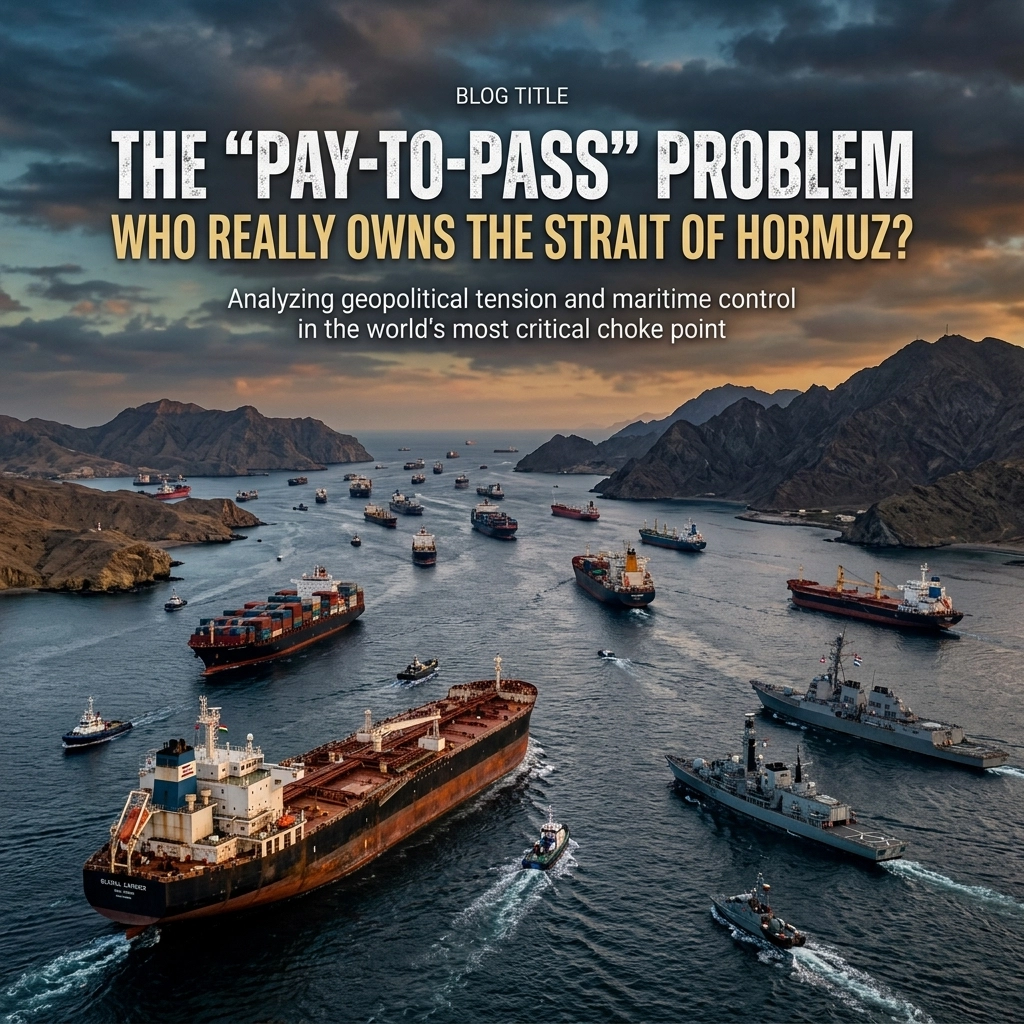
If you’ve been watching the news lately, you probably saw the massive sigh of relief from Wall Street. The Dow climbed over 1,300 points, oil prices took a 16% dive, and everyone started talking about a "Trump Ceasefire" like the world just hit the reset button. It felt like we finally caught a break after months of staring down $120-a-barrel oil and the terrifying prospect of a global energy shutdown.
But here’s the thing about "peace" in the Middle East: it usually comes with a bill.
While the headline says the Strait of Hormuz is "reopening," the fine print is a lot messier. Iran isn't just opening the gates and waving everyone through with a smile. Instead, they’ve essentially turned one of the world's most vital maritime arteries into a high-stakes toll road. They’re calling it management; the rest of the world is calling it the "Pay-to-Pass" problem.
For the regular guy trying to figure out why his local gas station hasn't lowered prices despite the "good news," the answer lies in a tiny strip of water and a very expensive set of new rules.
The World’s Most Dangerous Toll Booth
Legally speaking, nobody "owns" the Strait of Hormuz. According to international maritime law, it’s an international waterway. That means every nation has the right to sail through it without being bothered. It’s supposed to be the global equivalent of a public highway.
But as any regular guy who’s ever been stuck in a construction zone knows, what the law says and what’s happening on the pavement are two different things.
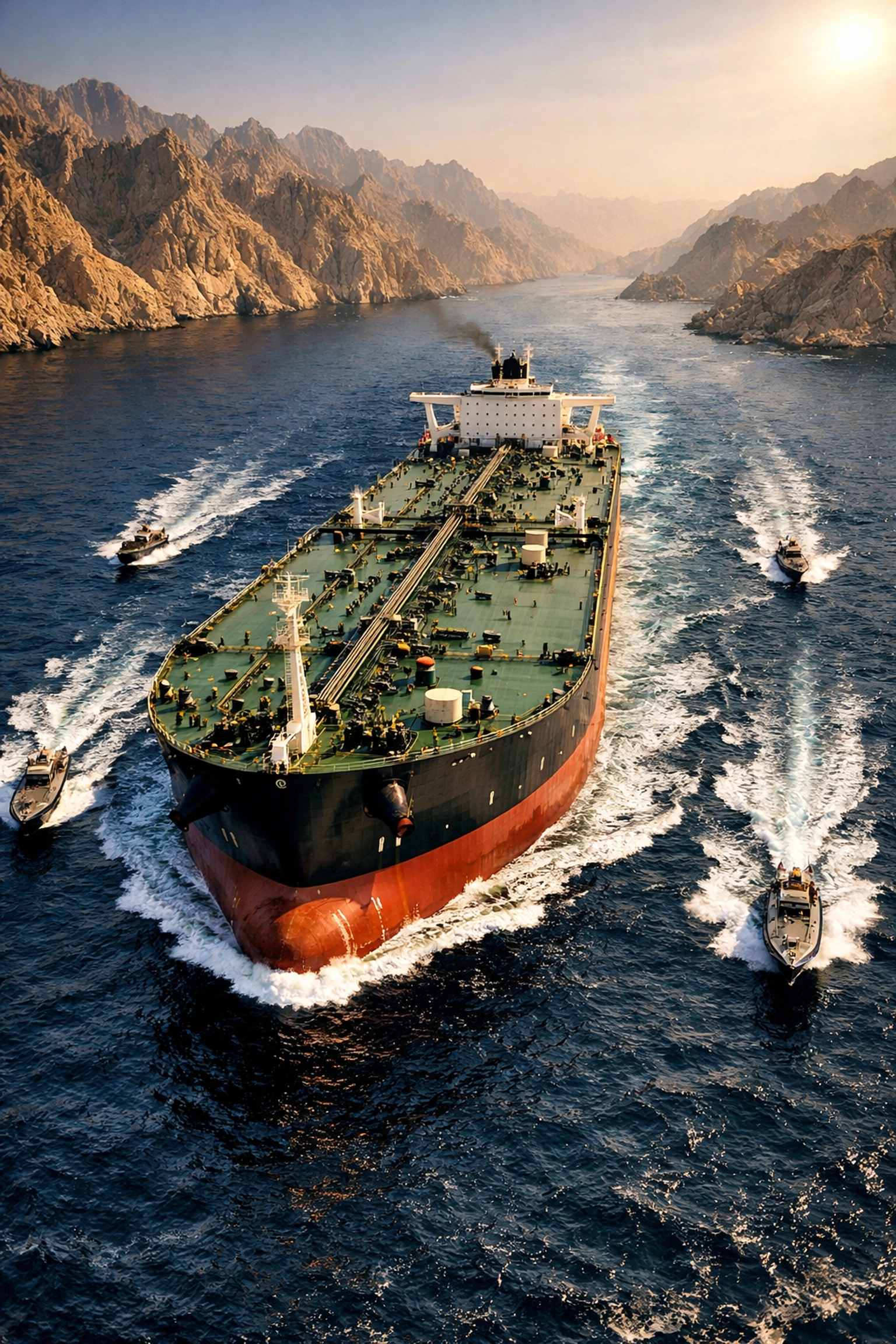
Iran sits right on the edge of this narrow passage. At its narrowest point, the shipping lanes are only about two miles wide. Iran is currently asserting control by physically diverting ships into their territorial waters. Instead of cruising through the middle, ships are being met by Iranian patrol boats and "escorted."
Think of it like a valet service you didn't ask for and definitely don't want to pay for. By forcing these ships into their space, Iran is demonstrating to the world that while the law might say "international," the reality on the water says "Iranian-controlled."
The $2 Million Handshake
So, what does it cost to get through the door? The numbers coming out are staggering. Reports suggest Iran is charging roughly $2 million per vessel or about $1 per barrel of oil transported.
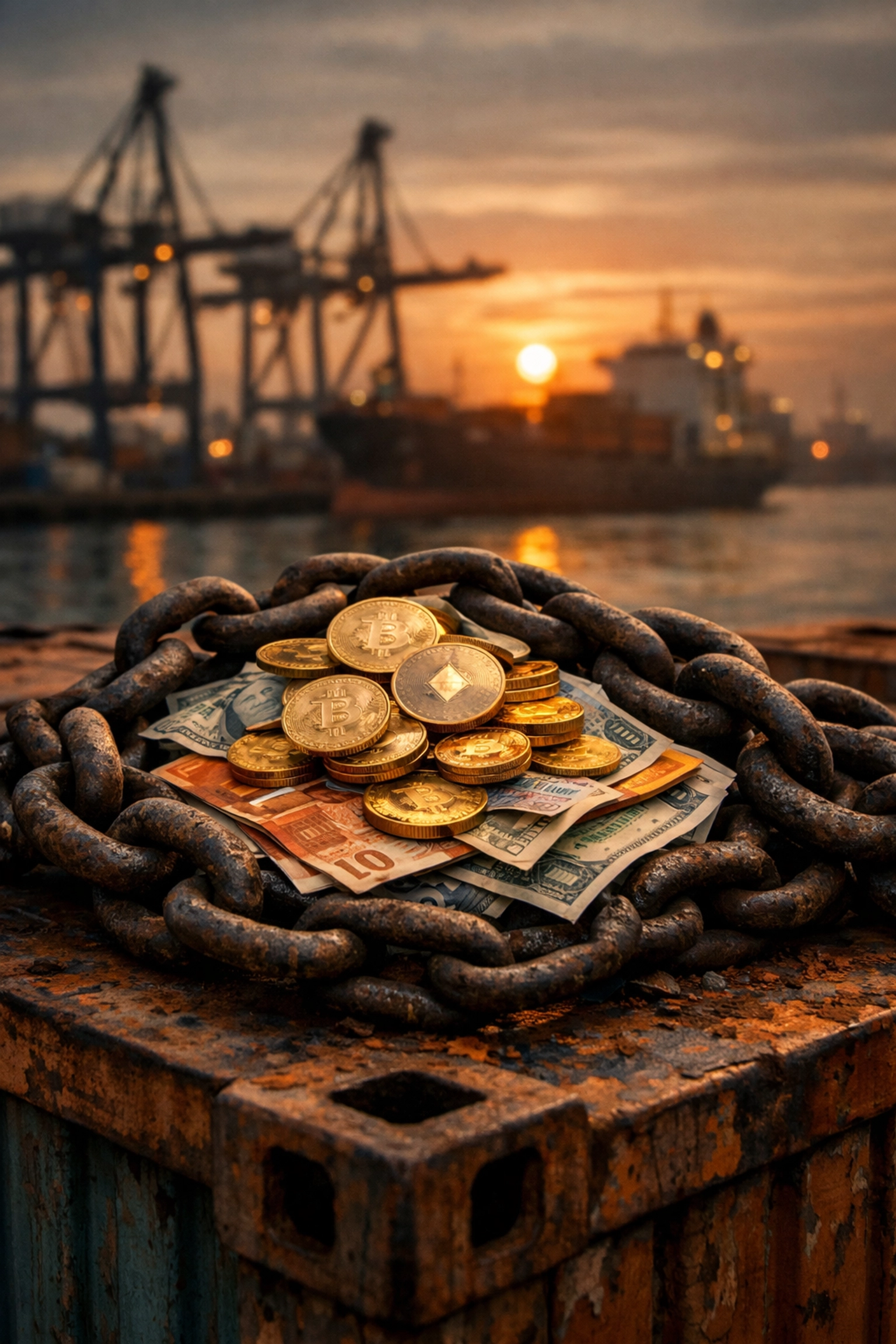
Now, if you’re driving a Honda Civic, a $2 million toll sounds like a joke. But when you’re a supertanker carrying two million barrels of crude, that’s a massive overhead cost. And here’s the kicker: they aren't taking Visa or American Dollars.
To dodge Western sanctions and stick a finger in the eye of the U.S. financial system, Iran is reportedly demanding these "permit fees" in Chinese Yuan or cryptocurrency. It’s a clever move. By forcing the world to pay in Yuan or Bitcoin, they’re building a shadow economy that doesn't rely on the dollar.
Over the last month, about 100 ships have made the trip. Most of them are Iranian-owned or flagged from countries like China, India, and Pakistan: nations that have already sat down and made "special arrangements" with Tehran. If you aren't on the guest list, getting through that two-mile gap just became the most expensive part of your journey.
Insurance: The Hidden Tax on Your Gas Tank
You might be wondering, "If oil prices dropped 16%, why am I still paying a premium at the pump?"
The answer is insurance. Shipping companies don't just "wing it" when they sail through a war zone. They carry something called "War Risk Insurance." When a ceasefire is only scheduled to last 14 days: as this one is: the insurance companies don't just relax and lower their rates. They see a ticking clock.
Insurance premiums for ships crossing the Strait have spiked to eye-watering levels. Even with the "peace" announcement, insurers are terrified that one rogue drone or a change in political winds could result in a billion-dollar loss. Those insurance costs get tacked onto the price of the oil, which eventually gets tacked onto the price of your gallon of 87 octane.
It’s a classic case of "sticky prices." The price of crude oil drops like a rock, but the cost of moving that oil remains sky-high because of the "Pay-to-Pass" fees and the insurance nightmares. The "Regular Guy" ends up subsidizing the risk.
The "Suez Model" (But Not Really)
Iran is trying to argue that they should be allowed to charge tolls just like Egypt does with the Suez Canal or Panama does with its canal. On the surface, it sounds like a fair argument. "We maintain the area, we provide security, why shouldn't we get a cut?"
But there’s a massive legal difference. The Suez and Panama canals are man-made. They are feats of engineering that wouldn't exist without the countries that built them. The Strait of Hormuz is a natural body of water.
Under the UN Convention on the Law of the Sea (UNCLOS), you can’t charge for passage through a natural international strait. You can charge for specific services: like if a ship needs a local pilot to help navigate a dangerous reef: but you can’t charge just for the right to exist in that water.
Iran is essentially trying to rewrite the rulebook of the ocean. By creating this "escort" system, they are forcing a "service" onto ships and then charging for it. It’s a loophole big enough to sail a tanker through, and right now, the world is too desperate for energy to stop them.
Why This Matters for the Long Haul
We’re currently in a 14-day window. It’s a "wait and see" period. The markets are optimistic because, for the first time in a long time, the guns are (mostly) quiet. But the "Pay-to-Pass" problem shows that the tension hasn't actually gone away; it’s just changed form. It’s gone from a military conflict to an economic one.
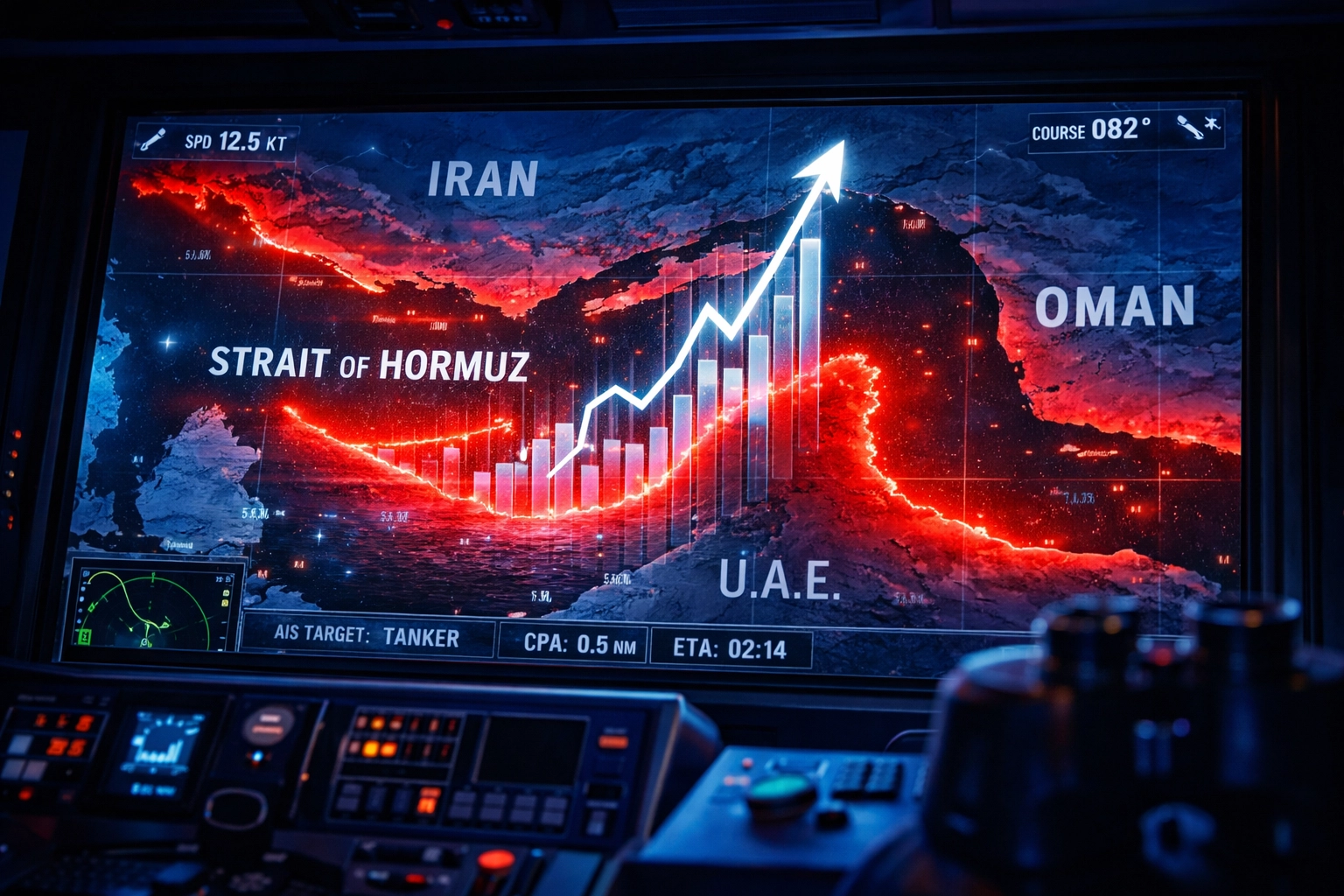
Iran controls 20% of the world’s oil and gas transport. That is a massive amount of leverage. If they can successfully turn the Strait into a revenue stream, it changes the geometry of global trade. It makes energy more expensive for everyone, and it gives Iran a way to bypass the sanctions that were supposed to keep their economy in check.
As we look at the next two weeks, don't just look at the price of oil. Look at the "permit fees" and the shipping lanes. The war might be on pause, but the fight for who owns the water is just getting started.
If this "New Normal" sticks, we might find ourselves longing for the days when the biggest problem was just the price of a barrel. In the 2026 economy, it’s not just about what you’re buying: it’s about who you have to pay just to get it delivered.
The Dow might be up today, but keep your eyes on the horizon. This "market miracle" could easily turn into a 14-day illusion if the cost of passing through the Strait stays this high.
Be mindful, be watchful and good luck.