



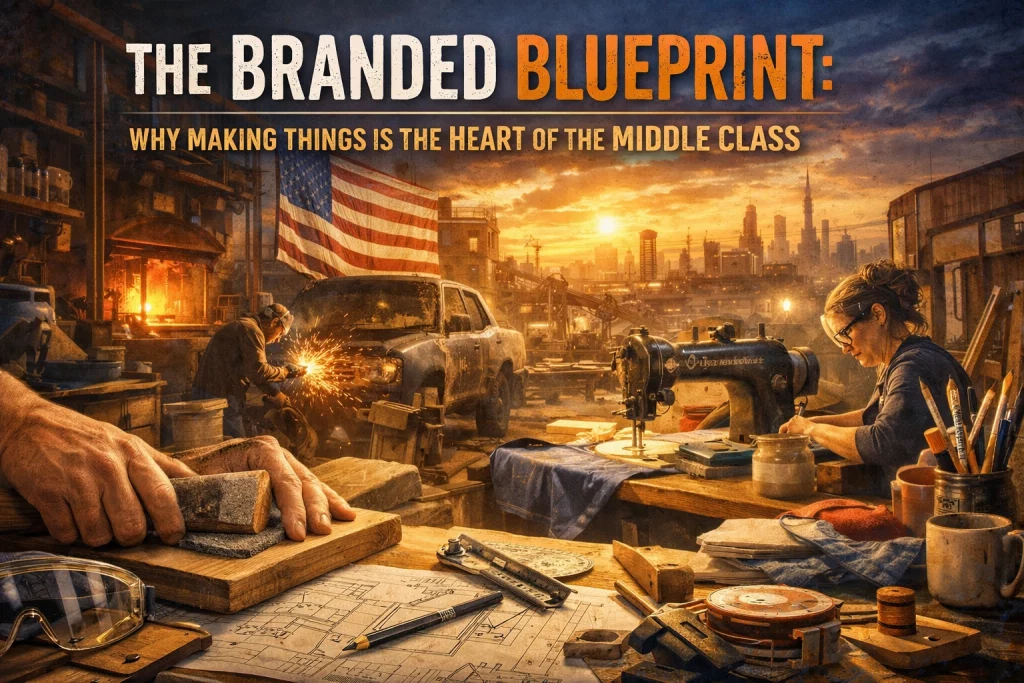
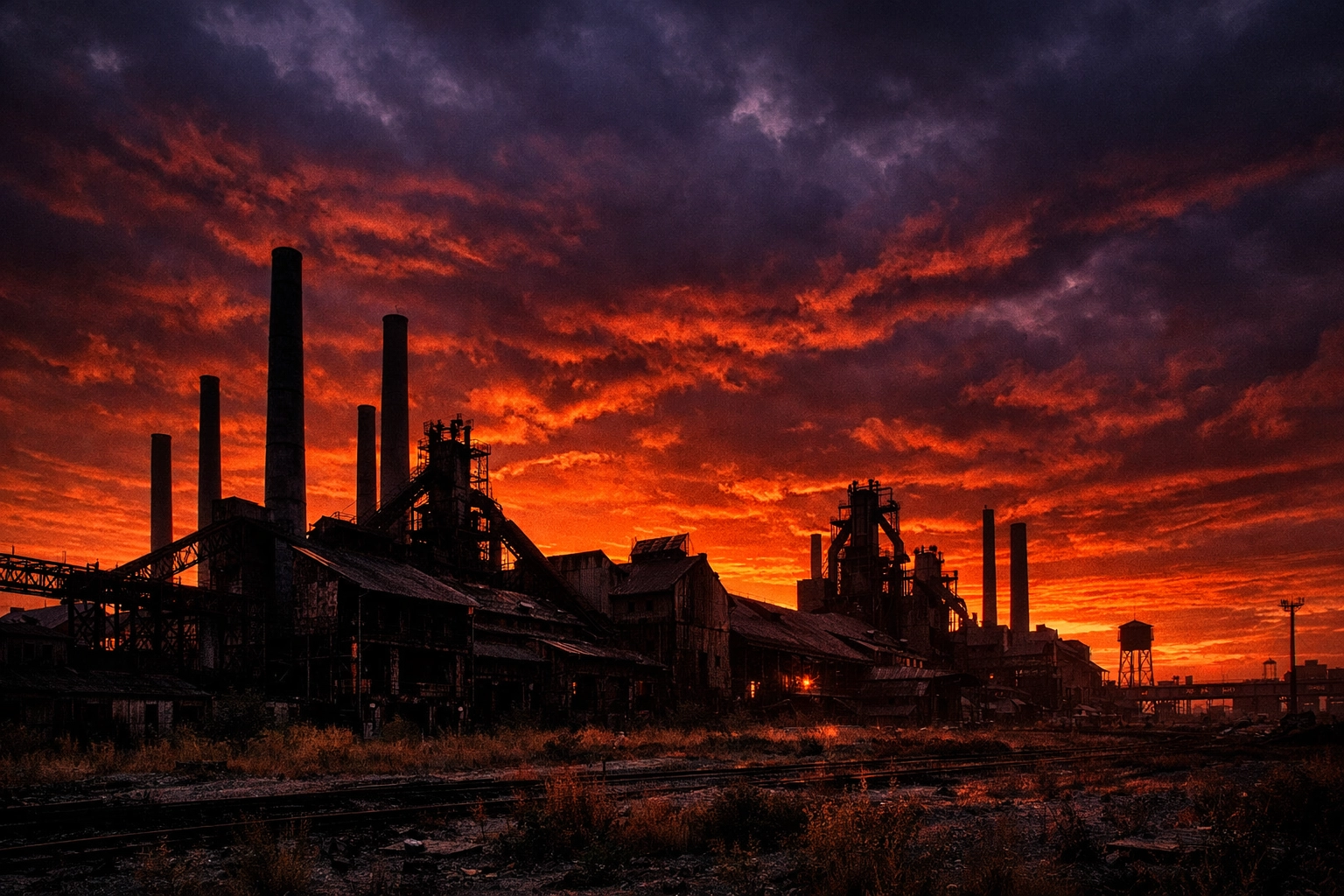
Listen, if you’ve spent any time walking through the old industrial corridors of the Midwest, you’ve seen the "Ghost of Economy Past." You see the massive brick buildings with broken windows, the rusted-out rail spurs, and the signs for companies that used to employ three generations of the same family.
For decades, the "smartest guys in the room" told us this was progress. They called it the transition to a "service economy." They told us we didn't need to get our hands dirty anymore because we’d all be software engineers or high-end consultants. But for the regular guy, that trade-off has been a disaster.
Manufacturing isn't just a sector on a pie chart; it’s the bedrock of a healthy middle class. When we stop making things, we stop creating the kind of value that actually sustains a community. Here is the "Branded Blueprint" on why manufacturing matters and how we let the heart of our economy get hollowed out.
The 'Manufacturing Premium': More Than Just a Paycheck
There’s a reason your grandpa could buy a house, two cars, and put kids through school on a factory wage. It wasn't just "better times", it was the Manufacturing Premium.
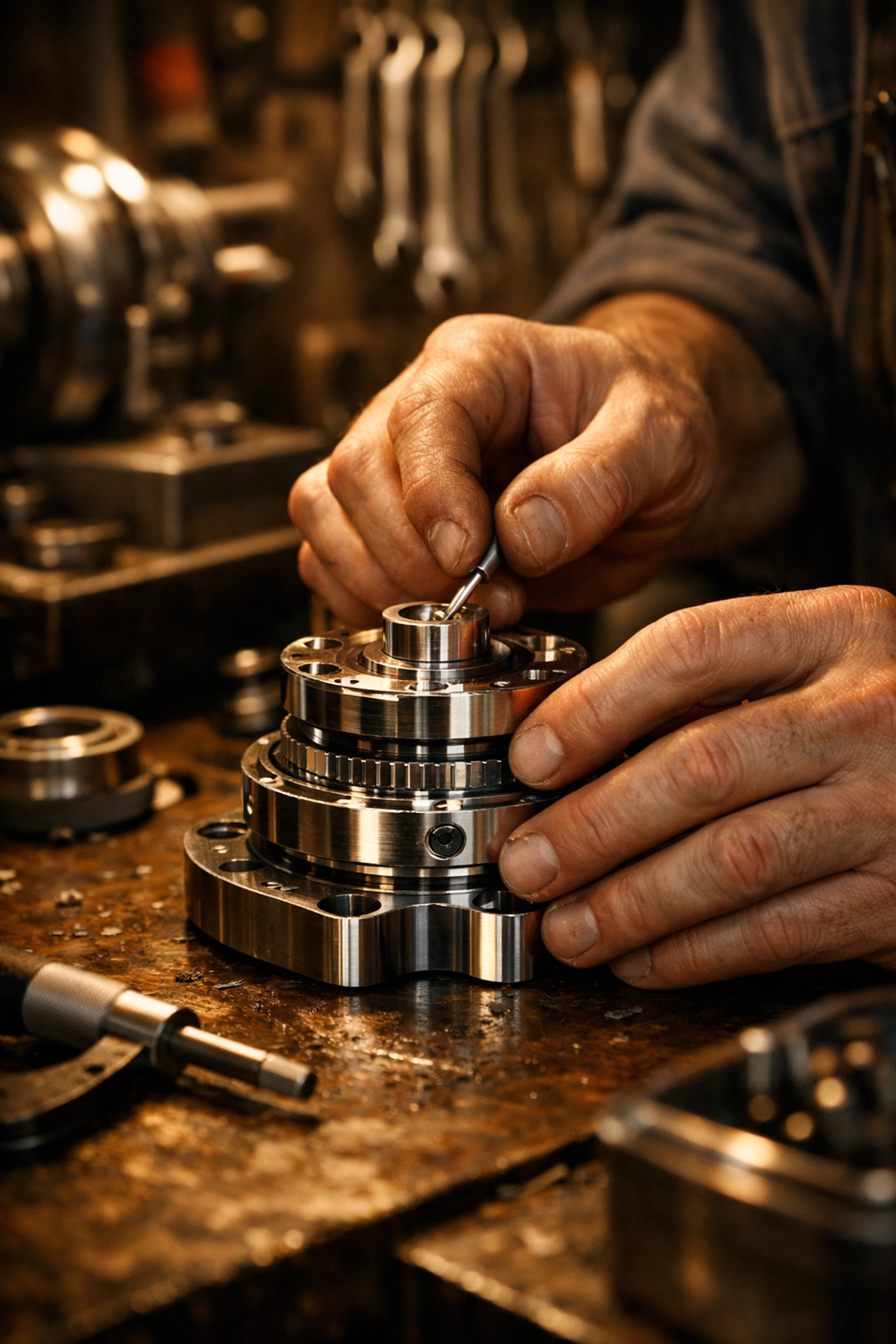
Historically, manufacturing jobs pay about 13% more than similar service-sector roles. Now, why is that? It’s not because factory owners are naturally more generous than retail CEOs. It’s because of branded value.
When a company actually produces a physical product: let's say a high-quality washing machine or a heavy-duty padlock: they are creating something with intrinsic and branded value. If that product is better than the competition, the company can charge a premium. Because they control the production process, they have higher margins. Those margins allow for better rates of labor pay.
In the service world, say at a big-box retail store, the "product" is just moving someone else's stuff from a shelf to a bag. The margins are razor-thin, and the labor is viewed as a commodity. In manufacturing, a skilled worker who understands the "secret sauce" of a branded product is an asset. In the service trap, a worker is often just an overhead cost to be minimized.
The NAFTA Scar: A Slow-Motion Train Wreck
We can’t talk about the decline of the American middle class without talking about the NAFTA scar. When the North American Free Trade Agreement was pitched, we were told it would open up new markets. Instead, for the American worker, it mostly opened up a trapdoor.
The math of moving labor to Mexico was simple for corporations: lower wages equals higher profits. But for the Midwest, the math was devastating. Look at the numbers:
- Ohio lost roughly 50,000 manufacturing jobs directly tied to the shift in trade patterns since NAFTA began.
- Michigan and Wisconsin didn’t fare any better, with both states bleeding over 46,000 jobs each.
These aren't just statistics; they are families whose entire trajectory changed. When a factory moves across the border, it doesn’t just take the jobs. It takes the tax base, the pension contributions, and the local spending power. The "slow, steady decline" we’ve seen over the last thirty years wasn't an accident: it was a policy choice that prioritized corporate efficiency over community stability.
The Ghost Town Effect: When the Heart Stops Beating
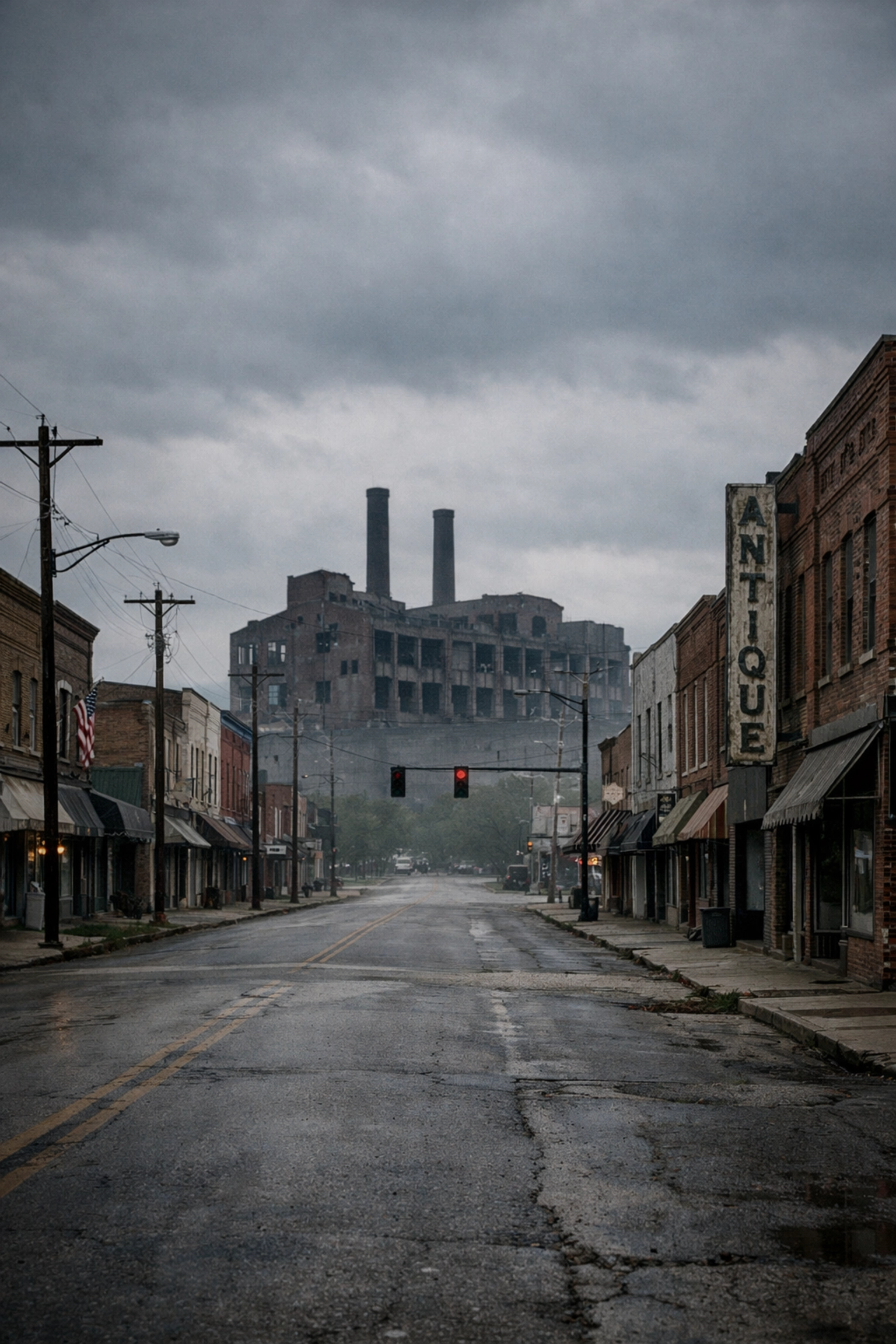
When a manufacturing plant leaves, it triggers what I call the Ghost Town Effect. We’ve seen this play out in real-time across the country.
Take Newton, Iowa. For a century, Newton was "Maytag Town." When Maytag was headquartered there, it provided thousands of high-paying jobs. It wasn't just about the assembly line; it was about the local shops, the car dealerships, and the schools that were funded by those wages. When Maytag was bought out and the production was moved (much of it to Mexico), the heart of Newton didn't just skip a beat: it nearly stopped.
Or look at Milwaukee and the story of Master Lock. For decades, Master Lock was a symbol of American-made strength. They were the world’s largest manufacturer of padlocks, and they did it right there in the city. But the lure of cheaper labor is a powerful drug for shareholders. When production shifts away, the ripple effect is a nightmare.
When the "big plant" closes, the local diner loses its lunch rush. The guy who mows the lawns loses his best customers. The city council has to cut the police budget because the property tax revenue evaporated. Moving labor to Mexico might save a corporation 20% on their bottom line, but it costs the American community 100% of its identity.
The Service Trap: Why Gig Work Can’t Save Us
The modern economy tries to tell us that "gig work" and "service roles" are the new frontier. "Be your own boss!" they say, while you drive your own car into the ground delivering tacos for an app that takes a 30% cut.
This is the Service Trap. A service-based economy is inherently less stable than a production-based one. Manufacturing creates a multiplier effect. According to the Economic Policy Institute, every 100 manufacturing jobs support an additional 600 jobs in other sectors. Retail and service roles don't have that kind of "oomph."
Service jobs are often part-time, lack benefits, and offer zero path to the middle class. You can’t build a "Branded Blueprint" for your life when you don’t know if you’ll get enough shifts next week to cover rent. Manufacturing gave workers a 30-year horizon; the service economy gives them a 30-minute notification on their phone.

Bringing the Blueprint Back
If we want to fix the economy for the "Regular Guy," we have to stop treating manufacturing like a relic of the past. It is the future.
We need to realize that when we outsource our labor, we are outsourcing our middle class. Every time a product says "Made in the USA," it’s a sign that a company is investing in a community, paying that 13% premium, and keeping the Ghost Town Effect at bay.
We’ve spent thirty years chasing the lowest possible price at the expense of our own neighbors’ livelihoods. It’s time to recognize that a product’s "value" isn’t just the price tag: it’s the strength of the town that built it. We need to value the makers again, because without them, we’re just a nation of people buying things we can no longer afford with money we aren't actually making.
The decline was slow and steady, but the recovery can be too, if we start making things again.
Be mindful, be watchful and good luck!