



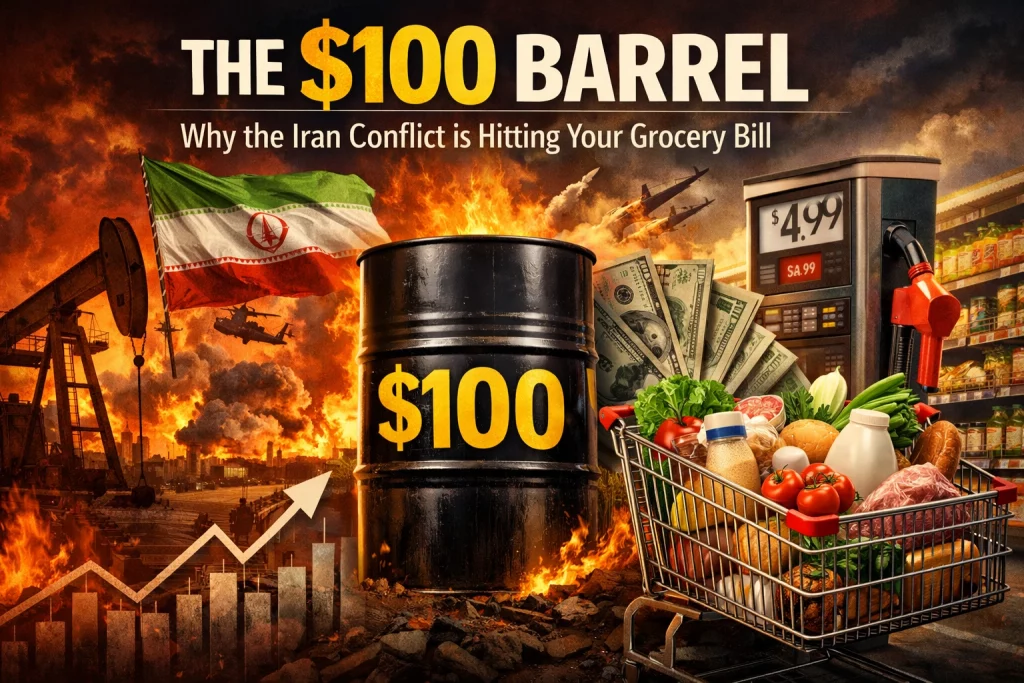
If you’ve turned on the news in the last week, you’ve seen the "Information War" in full swing. We’re seeing AI-generated missiles raining down on Tel Aviv and satellite shots of Iranian bases looking like Swiss cheese. But while the pundits are busy arguing over who hit what, the "Regular Guy" is looking at something much more frightening: the price of a gallon of milk and the clicking numbers at the gas pump.
As of today, March 9, 2026, we are staring down the barrel of a conflict that isn't just happening "over there." It’s happening in your checking account. We’re talking about a massive shift in our national budget and a direct hit to your purchasing power.
Let’s pull back the curtain on the real "receipt" of this war and see why $100 oil is actually a tax on your dinner table.
The Daily Burn: Firing Mansions into the Desert
First, let’s talk about the sheer speed at which we are burning through cash. In the world of "Regular Guy Economics," we like to look at the burn rate. According to early estimates from the Pentagon and analysts at Al Jazeera, the U.S. is currently spending between $1 billion and $3.7 billion every 100 hours.
To put that in perspective, that’s about $10 million to $37 million every single hour.
Why is it so expensive? Because the "gear" we use isn't cheap. We aren't throwing rocks; we’re throwing high-tech computers with wings.
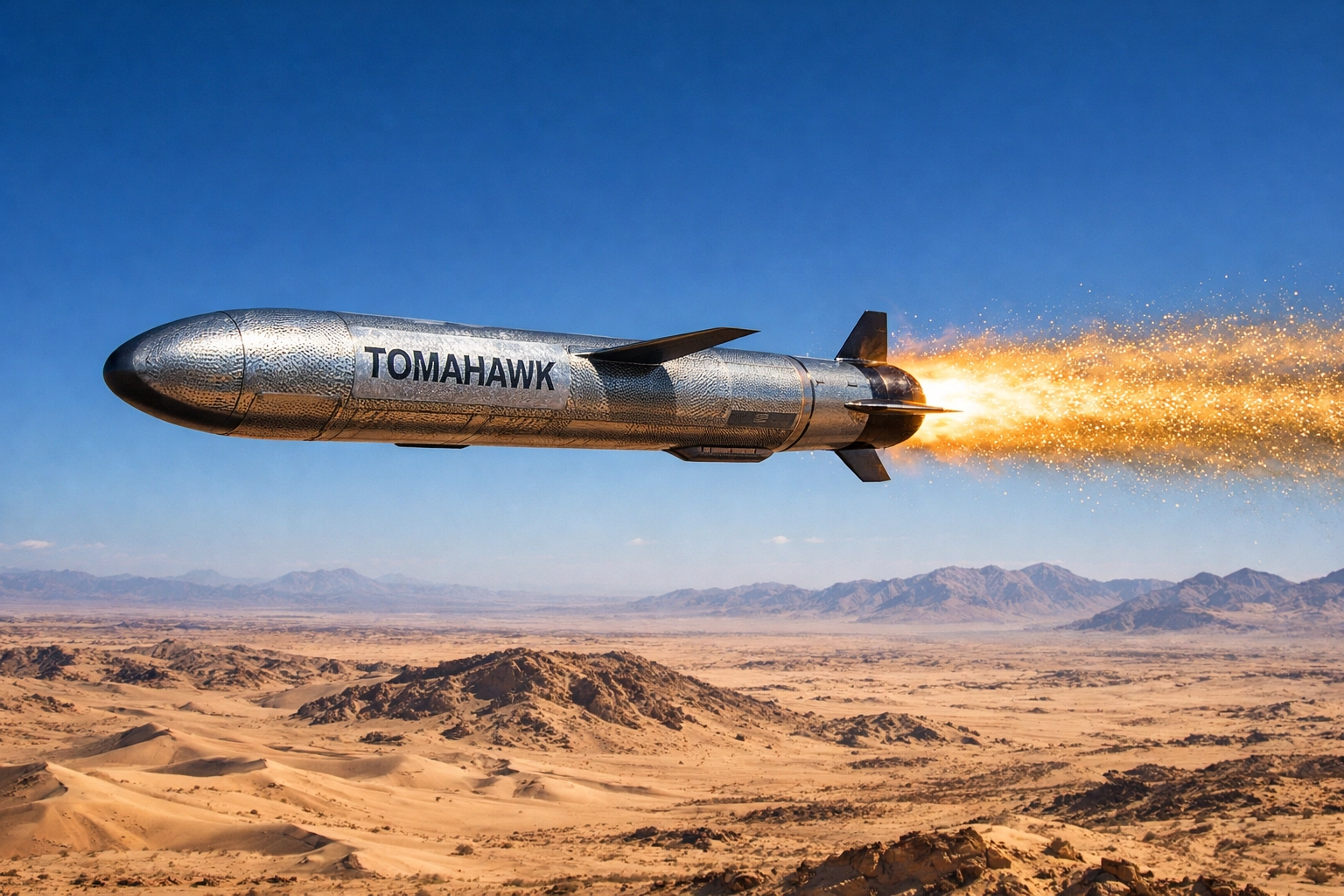
- The Tomahawk Factor: Every time you see a cruise missile launch on the news, imagine a $2 million luxury mansion flying through the air. That’s what a single Tomahawk costs. We’ve already fired over 1,700 munitions.
- The F-15E Losses: Reports indicate we’ve already lost three F-15E Strike Eagles. At roughly $90 million a piece, that’s $270 million at the bottom of the ocean or scattered in the desert.
The "Unbudgeted" Trap
Here is where the math gets messy for the taxpayer. Our national budget is a lot like your household budget, except the government is much worse at math.
When the year started, nobody "budgeted" for a full-scale air war with Iran. We are now looking at an "unbudgeted" trap of about $3.5 billion in emergency funding just to cover the first wave of operations. In D.C., they call this "supplemental funding." In the real world, we call it "putting it on the credit card."
When the government spends money it doesn't have, it has to borrow it. This balloons the deficit, which puts upward pressure on interest rates. So, while you’re worrying about gas, the guy trying to buy a house is seeing his mortgage rate tick up because the government is flooding the market with debt to pay for $2 million missiles.
The $100 Barrel Math (And Your Commute)
Now, let’s look at the most direct hit to your wallet: Oil.
Before this escalation really kicked off in late February, oil was hovering around a comfortable $70 a barrel. As of this week, we’ve blown past $100 and are knocking on the door of $110 per barrel.
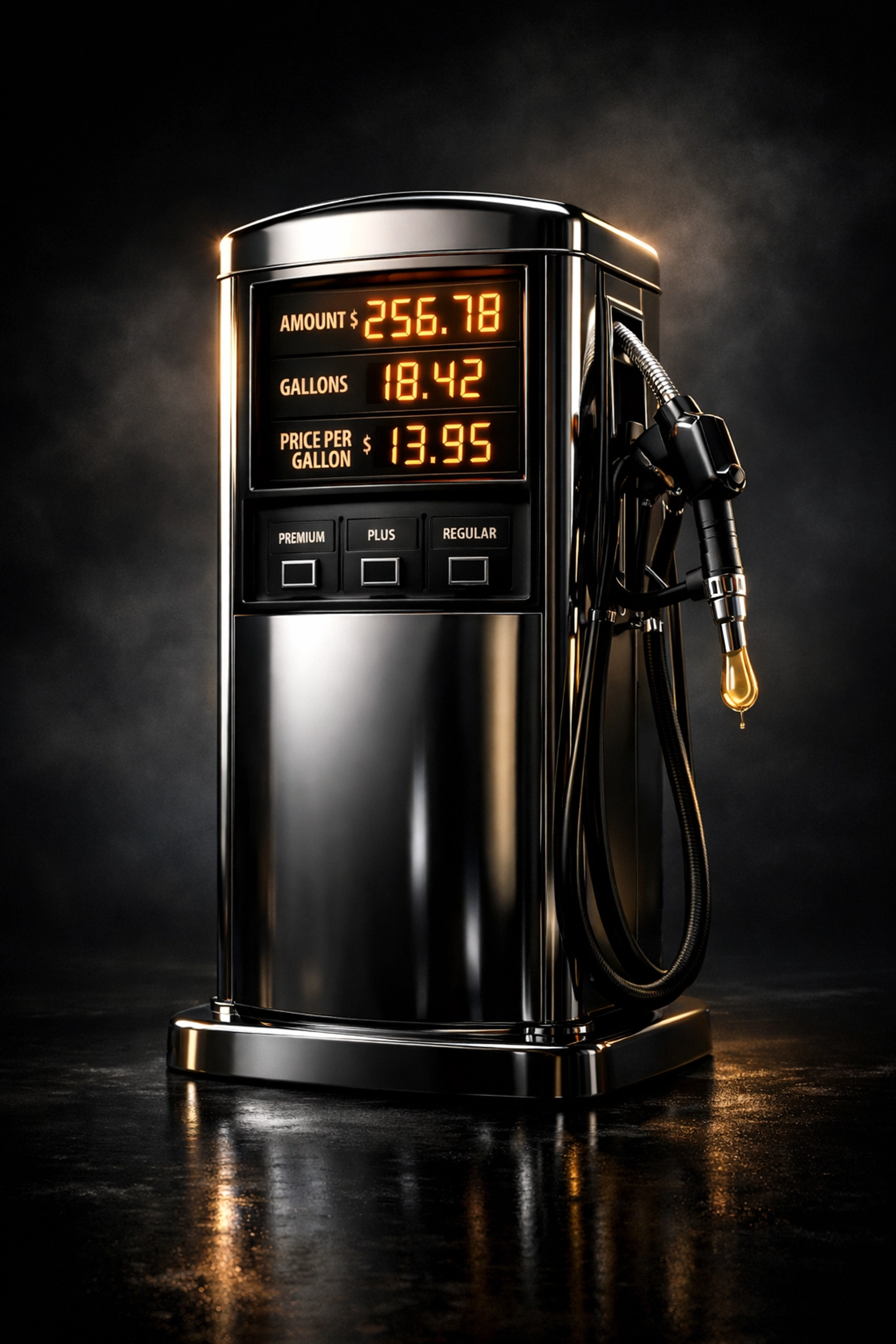
Here is the "Regular Guy" rule of thumb: For every $10 increase in the price of a barrel of oil, the price at the pump goes up by about 25 cents per gallon.
If we move from $70 oil to $110 oil, that’s a $40 jump. Do the math: that’s a $1.00 per gallon increase for the average driver. If you have a 20-gallon tank and fill up once a week, you just handed over an extra $80 a month to the "geopolitical risk" gods.
The Strait of Hormuz: The World’s Most Expensive Chokepoint
You might be thinking, "Wait, John, the U.S. produces more oil than anyone else now. Why do we care if Iran acts up?"
It’s a fair question, but here’s the reality: Oil is a global commodity. Even if the oil is pumped in Texas, its price is dictated by the global market. And right now, the global market is terrified of the Strait of Hormuz.
The Strait is a tiny sliver of water where 20% of the world’s oil passes through every day. Iran has been threatening to shut it down, and even the threat of that closure creates a "war-risk premium."
- Insurance Costs: Shipping companies aren't stupid. They aren't going to sail a billion-dollar tanker into a war zone without insurance. "War-risk" insurance premiums have skyrocketed, and those costs are added directly to the price of the oil.
- Scarcity Premiums: Goldman Sachs recently noted that traders are tacking on a $14-per-barrel "risk premium" just because they’re afraid of a total blockage.
Even if the Strait stays open, the fear of it closing keeps your gas prices high. It’s the ultimate "scarcity tax."

Why Gas Prices Are Actually a "Hidden Tax" on Groceries
This is the part most people miss. When gas prices go up, it doesn't just hurt when you fill up your truck. It hits you when you buy eggs, bread, and steaks.
Think about the supply chain. That gallon of milk doesn't teleport to the store. It’s hauled in a refrigerated truck that runs on diesel. When diesel prices spike alongside oil, the shipping company charges the grocery store more. The grocery store, which already operates on razor-thin margins, passes that cost directly to you.
Higher energy prices act as a hidden tax on the entire economy. If the average family is spending an extra $150 a month on gas and "energy-inflated" groceries, that is $150 they aren't spending at local businesses, restaurants, or on home repairs. This slows down the whole economy.

The Last Frontier: Runaway Costs
We’ve seen this movie before in other sectors. Take the medical industry, for example. In 1960, medical costs were 5% of our GDP. Now, they’re closing in on 20%. Why? Because of runaway costs, a lack of transparency, and a system where "the consumer" (you) doesn't see the real price tag until it’s too late.
War spending is trending the same way. It has become a part of our "capitalist" military-industrial complex where profits for defense contractors are prioritized over the economic health of the regular guy. Just like we need to reclassify medical costs as "health expenses" and focus on outcomes, we need to start looking at war costs as "economic stability expenses."
If we spend $100 billion on a conflict that results in $500 billion of economic damage at home through inflation and debt, was it a "win"? Most regular guys would say no.
What Can You Do?
Right now, the "Fog of War" is thick. The media is going to keep showing you flashy videos of explosions because that gets clicks. But you need to keep your eye on the "boring" numbers:
- Watch the 10-Year Treasury Yield: If it starts spiking, your mortgage and car loan are about to get more expensive because of that "unbudgeted" war debt.
- Watch the Brent Crude Price: If it stays above $100 for more than five weeks, expect that $1.00-per-gallon increase at the pump to become permanent for the season.
- Budget for the "War Tax": If you can, tighten the belt now. Inflation is a lagging indicator: the prices you see today are based on oil from a few weeks ago. The real "Iran bump" is coming to the grocery store in about 30 days.
We’re in a period where "Guns vs. Butter" isn't just a phrase in an economics textbook. It’s a reality. Every billion we fire into the sky over the Middle East is a billion we can't use to fix our own roads or lower our own taxes.
The math doesn't lie, even if the news sometimes does.
Be mindful, be watchful and good luck.