



You know that feeling when someone tries to sell you a lemon and tells you it's a luxury sedan? That's basically what happens every time government officials talk about the economy. They've got charts, they've got graphs, they've got talking points smoother than a used car salesman's pitch. But here's the thing, your grocery bill doesn't lie, and neither does your bank account.
Let's cut through the fog and talk about the five classic tricks Washington uses to convince you that everything's fine while your wallet gets lighter by the day.
Red Flag #1: The Word Game (When a Recession Isn't Really a Recession)
Remember when you learned that two consecutive quarters of negative GDP growth equals a recession? Yeah, well, forget that. In 2022, the government decided that definition was… outdated. Inconvenient, really.
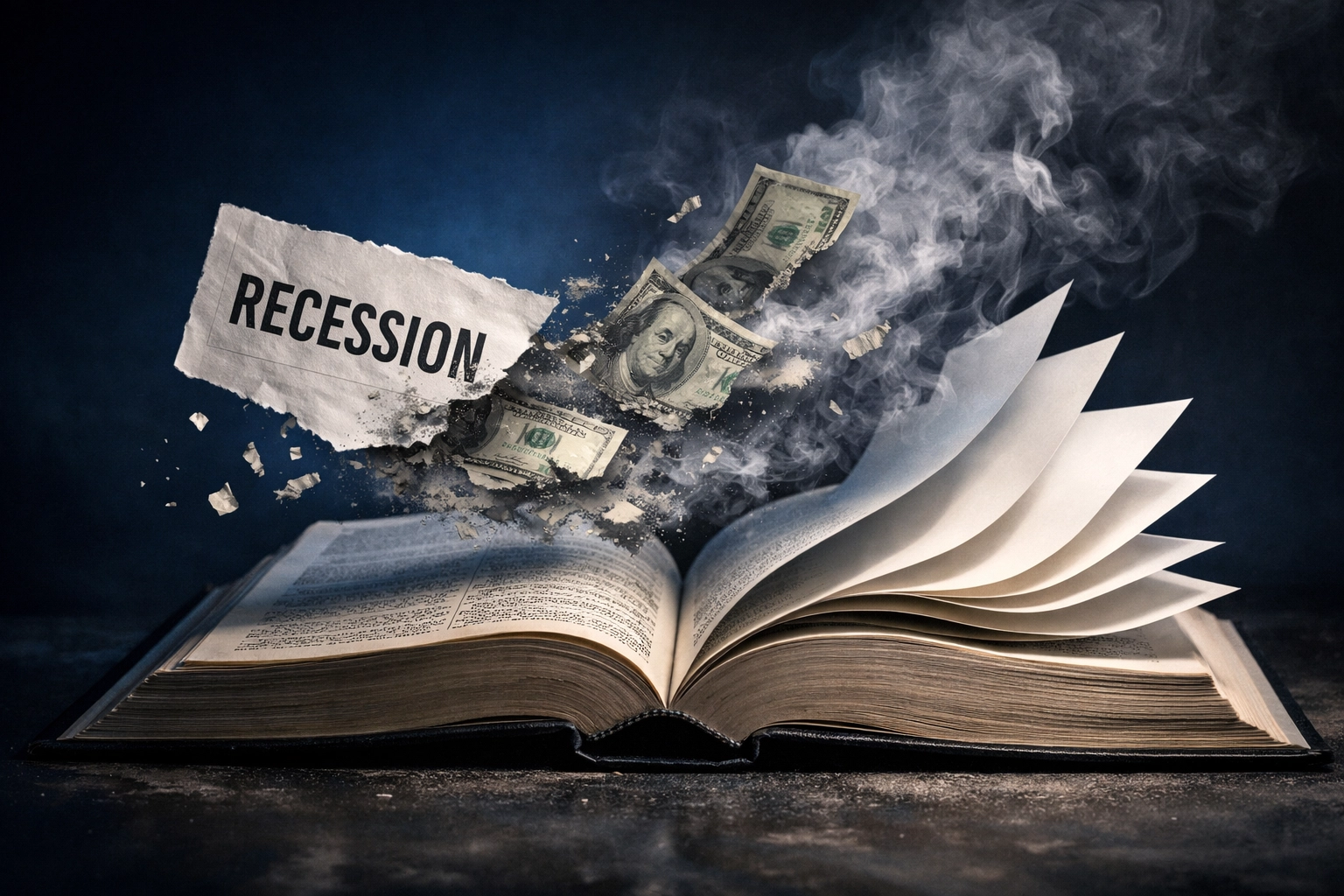
The technical definition of recession got a makeover faster than a celebrity's Instagram profile. Suddenly, we needed to look at "labor markets" and "consumer spending patterns" and a dozen other metrics that conveniently showed things weren't that bad. It's the economic equivalent of changing the rules mid-game because you're losing.
This isn't new. Governments have been playing the word game for decades. "Quantitative easing" sounds way better than "printing money we don't have," doesn't it? "Temporary liquidity measures" beats "bailing out our banker friends" every time. When officials start redefining basic economic terms, grab your wallet and run, they're trying to tell you the sky isn't blue while you're standing in broad daylight.
The pattern is simple: when reality doesn't match the narrative they want, they change the vocabulary. If your boss suddenly redefined "salary" to mean "the privilege of working here," you'd update your resume. Same principle applies here.
Red Flag #2: The Basket of Goods Shell Game (CPI Magic)
The Consumer Price Index is supposed to measure inflation, how much more expensive stuff gets over time. Simple enough, right? Not when the government controls what goes in the "basket of goods" they measure.
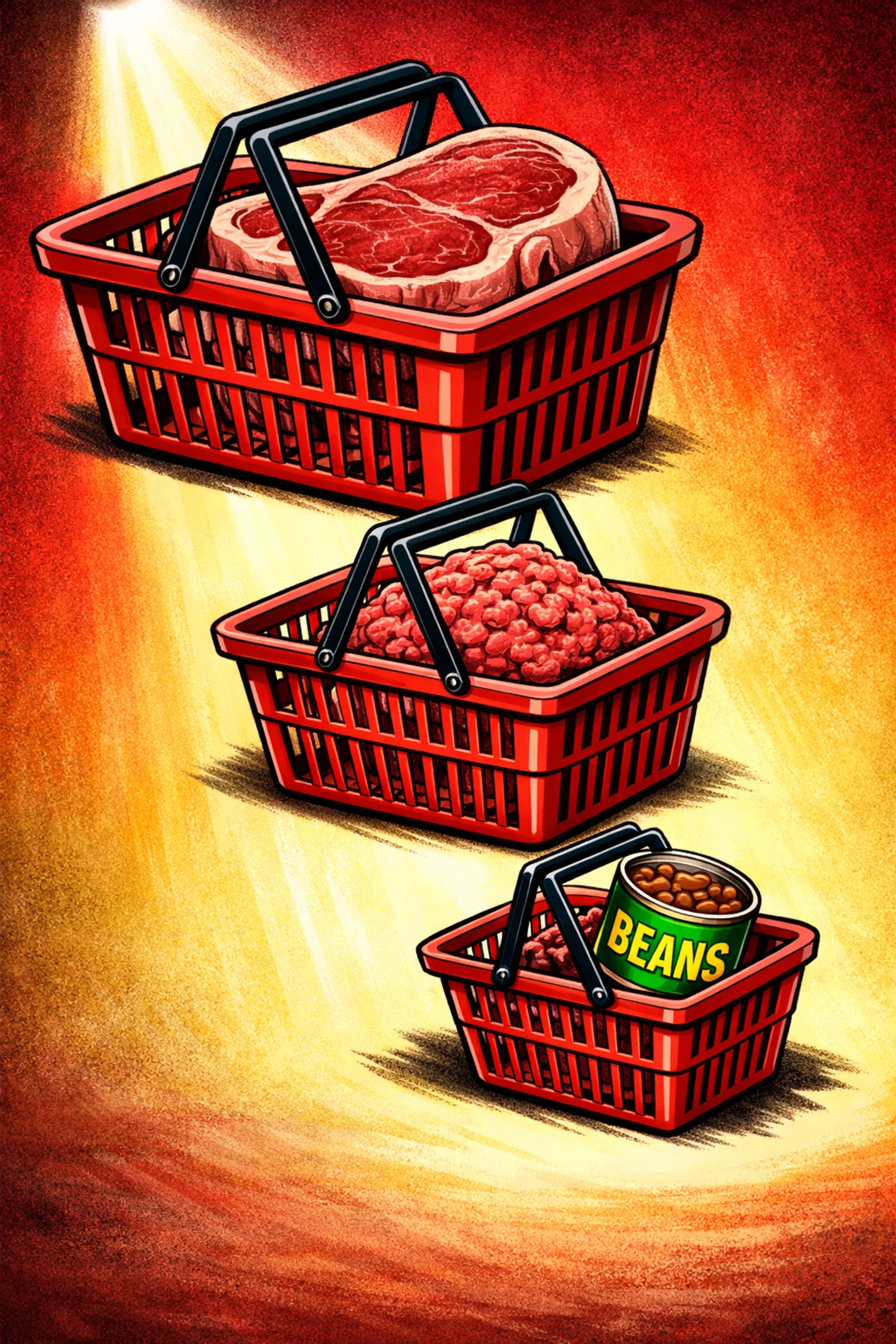
Here's how the shell game works: when steak gets too expensive, they swap it out for ground beef in their basket. When ground beef gets too pricey, hello, chicken! And when chicken prices soar? Well, protein is protein, maybe people will eat more beans. This is called "substitution," and it's how they keep inflation numbers lower than your actual experience at the checkout line.
Your grandmother's house cost $20,000 in 1970. That same house today? Try $400,000 in many markets. But according to official CPI calculations, things haven't gotten that much more expensive. They've adjusted, smoothed, and "hedonically modified" the numbers until they barely resemble reality.
The CPI also underweights things you can't avoid, like housing, healthcare, and education, while giving more weight to things like electronics that actually get cheaper. Your iPhone got better and costs the same, so inflation must be fine! Never mind that you can't afford to send your kid to college or buy a home.
When someone controls what goes on the scale before weighing it, the number means nothing. Yet this rigged number determines everything from Social Security adjustments to whether the Fed raises rates.
Red Flag #3: The Unemployment Rate Illusion
Official unemployment rate looking pretty good? That's because they stopped counting millions of people.
Here's the dirty secret: if you've been looking for work for so long that you've given up, you're no longer "unemployed" in government statistics, you're just not in the labor force. Poof! Problem solved. It's like cleaning your room by shoving everything under the bed and calling it organized.
The official U-3 unemployment rate only counts people actively looking for work in the past four weeks. The U-6 rate, which includes discouraged workers and people stuck in part-time jobs who want full-time work, tells a very different story. It's consistently almost double the headline number.
In 2023, while officials celebrated unemployment under 4%, the labor force participation rate was still below pre-pandemic levels. Translation: millions of working-age Americans just aren't working or looking anymore. But hey, technically they're not "unemployed," so mission accomplished, right?

This is like a restaurant bragging about having no wait time because half their potential customers gave up and went home. Sure, there's no line: but you're also losing business hand over fist.
Red Flag #4: The Blame Game (Inflation Isn't Our Fault, It's [Insert Scapegoat Here])
This one's a classic. When inflation shows up after years of money printing and zero interest rates, suddenly it's everyone else's fault.
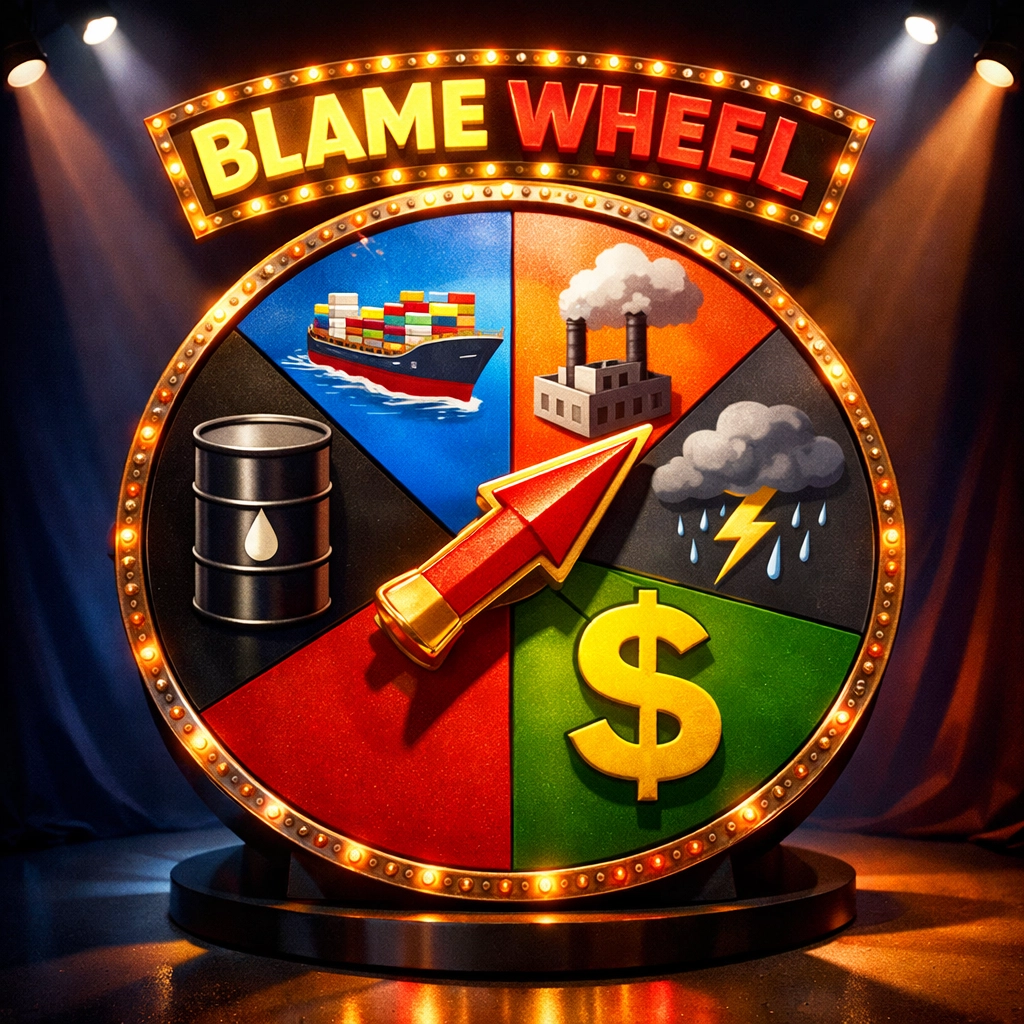
First it was "transitory": just temporary supply chain stuff, nothing to worry about. Then it was Putin's fault (the "Putin Price Hike"). Then it was greedy corporations suddenly deciding to be greedy after decades of being generous. Then it was strong consumer demand: which apparently appeared out of nowhere and definitely had nothing to do with stimulus checks and mortgage forbearance.
Here's reality: when you increase the money supply by 40% in two years while production doesn't keep pace, you get inflation. It's not rocket science: it's basic supply and demand. But admitting that would mean admitting responsibility, and that's not how the blame game works.
The research shows that U.S. public debt is projected to hit 128% of GDP by decade's end: levels historically associated with fiscal distress. But rather than acknowledge that maybe, just maybe, borrowing and spending trillions creates economic consequences, officials point fingers everywhere else.
It's like maxing out your credit cards, taking out a second mortgage, and then blaming the grocery store for your financial problems. The groceries didn't help, sure, but they're not the core issue here.
Red Flag #5: The "Soft Landing" Fairy Tale
This is the granddaddy of economic BS: the idea that central bankers can engineer a "soft landing" where they cool inflation without causing a recession. It's the economic equivalent of jumping off a building and hoping to land gently.
History says soft landings are about as common as unicorns. The Fed has tried this maneuver multiple times since the 1960s. The success rate? Pretty much zero. Yet every single time, they swear this time will be different.
The soft landing narrative serves a specific purpose: it keeps people calm while policy makers try to thread an impossible needle. It's much easier to keep markets stable when everyone believes the experts have everything under control. The problem is that economies don't work like video games: you can't just dial down one variable without affecting everything else.
When officials promise a soft landing, what they're really saying is "we're trying something that rarely works, but we need you to believe it will so you don't panic." It's not confidence: it's hope dressed up in economic jargon.
The research backs this up: when policymakers prioritize short-term market stability over long-term structural health, they're substituting confidence for actual resilience. In plain English: they're crossing their fingers and hoping for the best while telling you they've got it all figured out.
The Pattern Behind the BS
These five red flags share a common thread: they're all about managing perception rather than fixing problems. When government officials spend more energy on messaging than on math, you're being sold something.
The disconnect between official narratives and what people experience daily: rising costs, stagnant wages, decreased purchasing power: isn't an accident. It's the natural result of prioritizing political goals over economic reality.
Asset markets hit record highs while most households struggle with basic expenses. Official celebrations of economic resilience mask structural problems like massive debt and declining returns on borrowed money. Regulatory oversight weakens while officials claim everything's fine.
You don't need an economics degree to spot BS. You just need to trust your own experience more than you trust official statistics. When your grocery bill says one thing and government inflation numbers say another, believe your receipt.
The good news? Once you know the red flags, you can't unsee them. The bad news? You'll see them everywhere.
Be mindful, be watchful and good luck.