



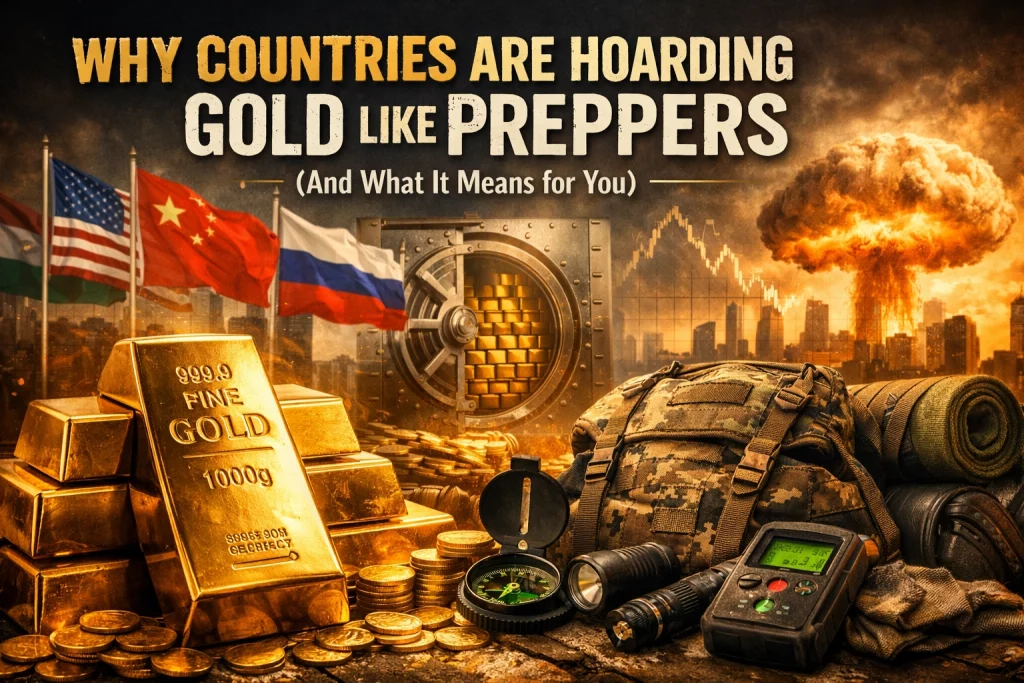
You know those folks with basements full of canned beans, water filtration systems, and enough ammunition to outfit a small militia? The ones we used to chuckle about until 2020 made them look like geniuses? Well, turns out central banks around the world are basically doing the same thing, except instead of stockpiling SpaghettiOs, they're hoarding gold like there's no tomorrow.
And before you roll your eyes and think this is just some abstract financial nerd stuff that doesn't affect your grocery bill, let me stop you right there. When the big players start acting like preppers, that's your signal that something's brewing in the global financial kitchen, and it probably ain't cookies.
The Golden Stampede Nobody's Talking About
Here's a stat that should make you sit up: Central banks have been on an absolute buying spree, accumulating gold at rates we haven't seen since the Nixon administration was dealing with their own dollar crisis. We're talking record-breaking purchases year after year since around 2022, right after Russia decided to invade Ukraine and suddenly found half their dollar reserves frozen faster than you can say "economic sanctions."
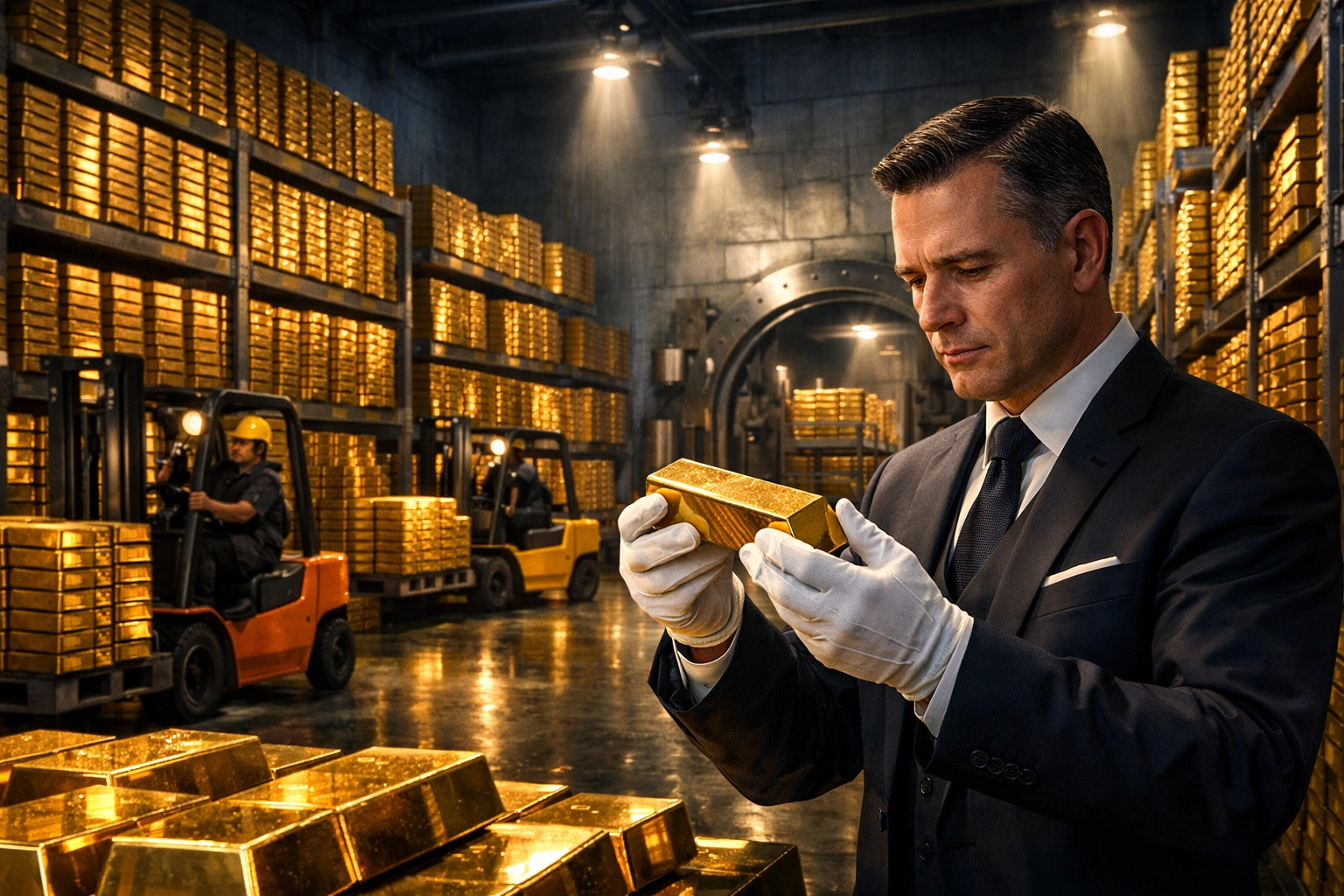
Let's look at the heavyweight champions of gold hoarding as of December 2025:
- United States: Still sitting at the top with the largest official reserves (though let's be honest, when was the last time anyone actually audited Fort Knox?)
- Russia: 2,327 tonnes and climbing
- China: 2,306 tonnes (and probably more they're not telling us about)
- India: 880 tonnes
- Turkey: Aggressively buying everything they can get their hands on
Notice a pattern here? With the exception of the U.S., these are all countries that have either been directly sanctioned, threatened with sanctions, or watched their neighbors get sanctioned. They're the kids who saw what happened when teacher took away someone's lunch money and decided to bring their own sandwich from home.
The Trust Exercise Nobody Wanted
So why gold? Why not just hold dollars like everyone's been doing since World War II? Because, my friend, trust is a funny thing, easy to lose, nearly impossible to get back.
For decades, the deal was simple: Hold dollars, and you could buy anything, anywhere. The dollar was the ultimate "good for it" IOU. But here's the thing about IOUs, they only work if everyone believes the person writing them will actually pay up and won't change the rules midgame.
When the U.S. and its allies froze Russia's dollar reserves in 2022, every finance minister and central banker in the world who wasn't already in the "Western club" had the same thought: "Holy crap, they can just do that?"
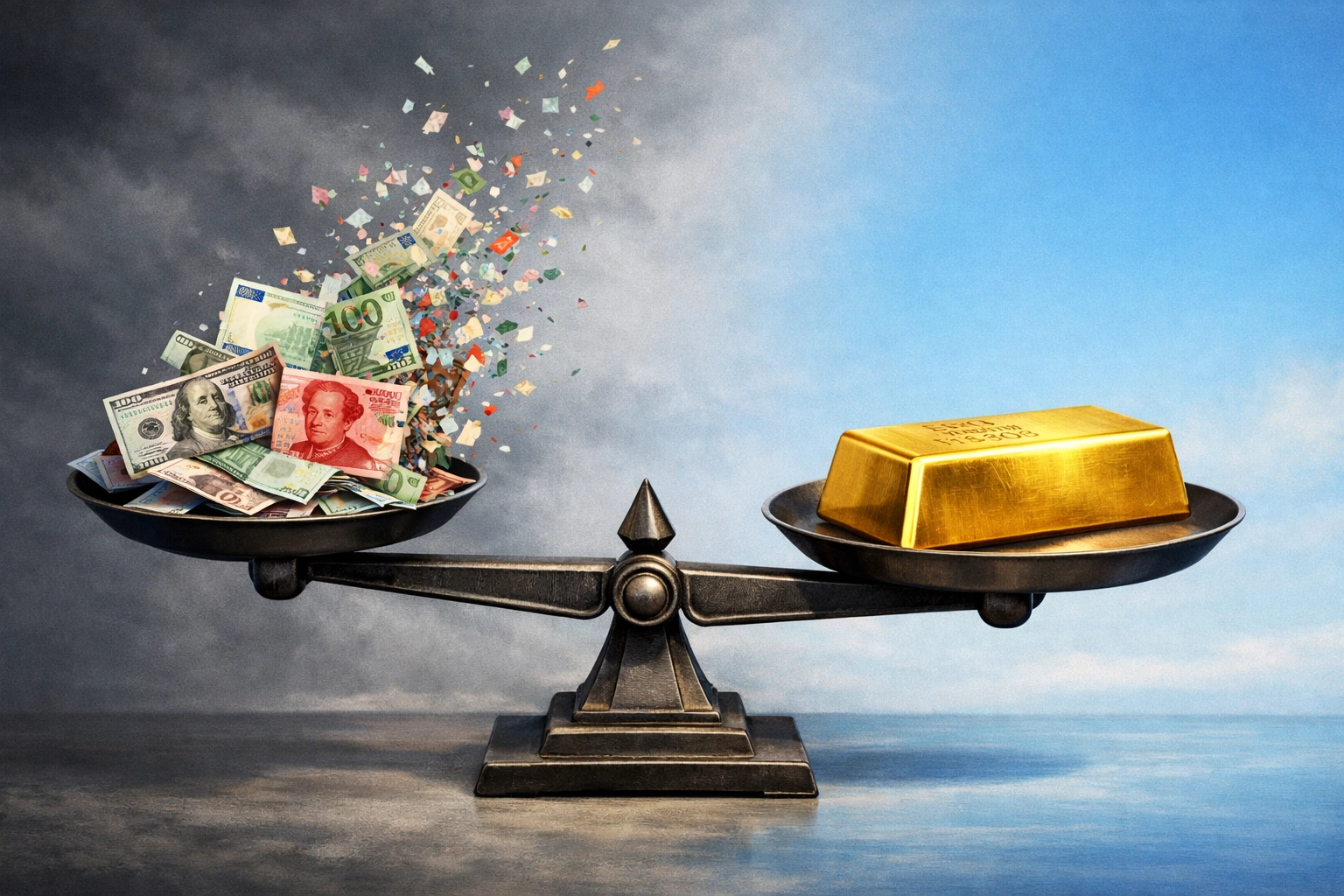
Suddenly, holding dollars felt less like having money in the bank and more like playing Monopoly with someone who owns the board and might flip the table if you start winning. Gold, on the other hand, is the ultimate "no counterparty risk" asset. It doesn't care about your politics, it can't be frozen by executive order, and it's been valuable for about 5,000 years running.
As the research shows, gold avoids "default risk, counterparty exposure, and geopolitical vulnerabilities tied to any single currency or country." Translation: Nobody can take away your gold with a phone call and a press conference.
The De-Dollarization Domino Effect
Here's where it gets interesting for the regular guy at the gas pump. The entire reason we can print dollars like we're making copies at Kinko's without seeing Weimar Republic-style inflation is because the rest of the world needs those dollars. They need them to buy oil, to settle international trade, to hold as reserves.
But what happens when major economies decide they'd rather hold gold than dollars? What happens when Saudi Arabia starts accepting yuan for oil? What happens when the BRICS nations (Brazil, Russia, India, China, South Africa, plus the new members) start settling trades in their own currencies backed by gold reserves?
The answer is simple but uncomfortable: All those exported dollars we've been using to buy flat-screen TVs and German cars at discount prices come flooding back home. And when they do, they bring their friend Inflation with them, the kind that turns your grocery budget into a horror show.
When the Rules Change Mid-Game
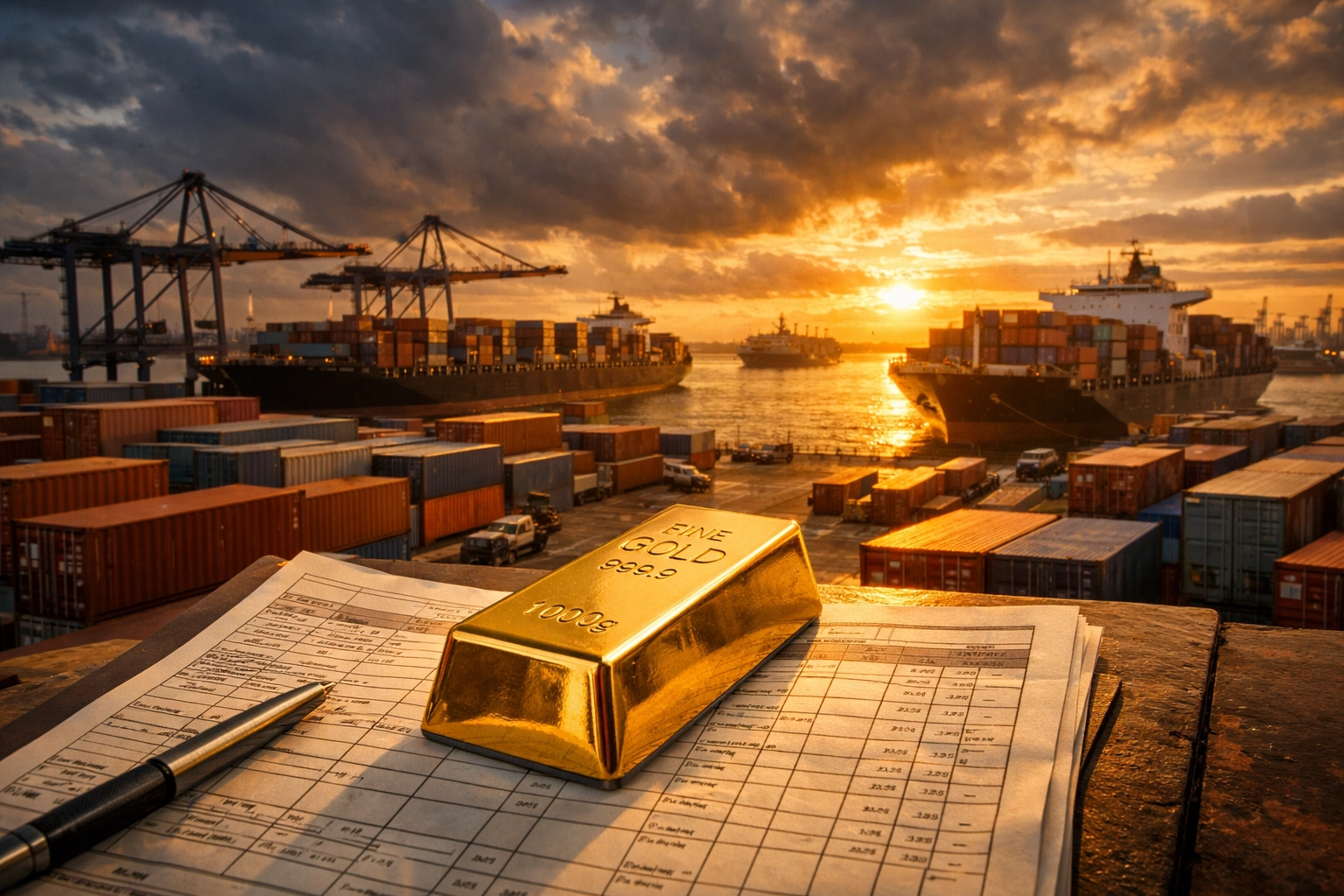
Think about it from China's perspective for a second. They've been the world's factory for decades, sending us real stuff (electronics, clothes, furniture) in exchange for paper (dollars). They've accumulated trillions in dollar reserves. But lately, they've been watching the U.S. debt clock spin like a slot machine on steroids, seeing interest rates swing wildly, and observing how quickly financial weapons can be deployed.
So they're hedging. They're converting some of those dollars into gold, real, physical, "you can touch it and it won't disappear" gold. They're building up strategic reserves of the one asset that every civilization in history has agreed has value.
According to the data, gold prices have jumped 67% in U.S. dollars even as supply growth remained essentially flat. That's not because gold suddenly got scarcer, it's because trust in paper currencies got scarcer.
The Prepper Playbook Goes Mainstream
Here's what's wild: The same logic that drives someone to stockpile supplies in their basement is now driving central bank policy at the highest levels.
Preppers ask: "What if the system breaks down?"
Central banks ask: "What if the dollar system breaks down?"
Preppers answer: "I'll have tangible goods I can use or trade."
Central banks answer: "We'll have gold we can use or trade."
It's the same playbook, just with more zeros and fancier conference rooms.
The research confirms this: Banks are using gold as a hedge against "geopolitical risk, currency instability, and inflation" while "strategically diversifying away from dollar-dependent assets." That's banker-speak for "we don't trust this system to last forever, so we're getting some insurance."
What This Means for Your Wallet
Okay, so central banks are acting paranoid and buying gold like doomsday preppers. Why should you care?
First, elevated gold prices mean your jewelry costs more, and any gold investments you might hold have gotten pricier to acquire. That's the immediate, surface-level impact.
Second, and more importantly, this is a canary in the coal mine. When the smart money (and yes, central banks count as smart money, even when they make dumb decisions) starts moving toward hard assets and away from dollar-based instruments, they're telling you something about where they think the system is heading.
Third, if de-dollarization actually gains serious momentum, all that inflation we've been exporting to the rest of the world via our magical printing press will come home to roost. Your grocery bill, your gas prices, your mortgage rates, everything gets more expensive when the dollar loses its privileged position.
The research notes this "limited immediate impact" for now, but also acknowledges that "institutions are preparing for potential currency debasement and inflation, which could indirectly affect purchasing power and investment returns for ordinary people over time."
Translation: It's not a crisis today, but the foundation is being laid for one tomorrow.
The Bottom Line
Countries hoarding gold like preppers isn't just some quirky financial trend to laugh about over coffee. It's a massive vote of no-confidence in the current dollar-based system. It's major players saying, "We want assets that can't be frozen, inflated away, or controlled by someone else's political whims."
For the regular guy, this means the global financial game is changing whether we like it or not. The rules that have governed international trade and currency since your grandparents were young are being rewritten in real-time, and the new chapter features a lot more yellow metal and a lot less green paper.
You don't need to go full prepper and convert your life savings to gold bars (please don't do that based on a blog post). But you should understand that when central banks start acting like the system they built and control might not be trustworthy forever, that's information worth having.
The next time someone tells you "gold is just a barbarous relic" or "the dollar will be king forever," remember that the central banks themselves are betting otherwise: with billions of dollars and thousands of tonnes of the shiniest hedge against uncertainty mankind has ever known.
Be mindful, be watchful and good luck.