



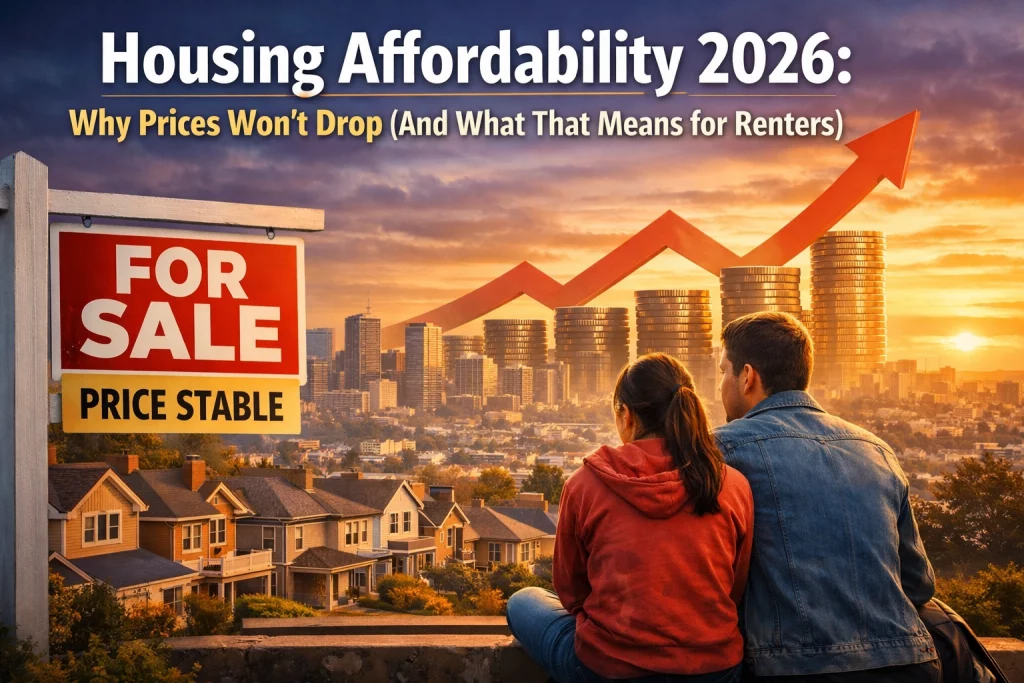
If you've been waiting for housing prices to crash so you can finally afford that three-bedroom with a yard, I've got news that'll make your coffee taste a little more bitter this morning. Housing prices aren't dropping in 2026. In fact, they're probably going to inch up another 0-3%, which feels like getting punched in slow motion.
But here's the weird part: affordability is actually supposed to improve this year. How does that math work? Well, it's economics doing what economics does best, making you feel like you're winning while you're still losing, just at a slower pace.
The Sticky Price Problem: Why Houses Won't Get Cheaper
Housing prices are what economists call "sticky." That's a fancy way of saying they don't like to go down, even when logic says they should. Think of housing prices like that one friend who refuses to leave the party even though it's 2 AM and everyone else has gone home. They're staying put.
There are three big reasons why prices aren't budging downward in 2026:
The Lock-In Effect Is Real
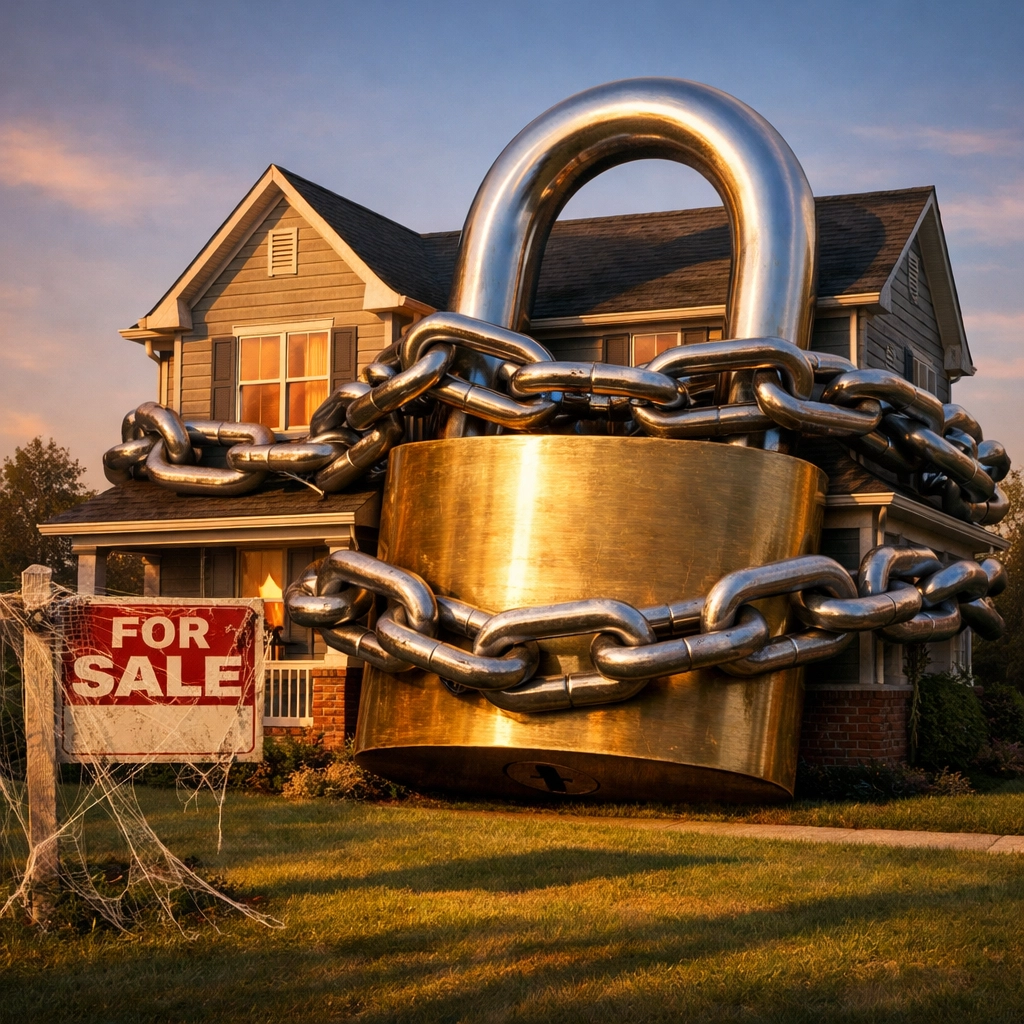
Remember when mortgage rates were around 3% back in 2020-2021? If you locked in one of those golden tickets, congratulations, you're basically sitting on a financial unicorn. The problem is, you're probably not moving. Why would you? Trading a 3% mortgage for today's 6% rate would be like voluntarily giving yourself a pay cut.
This "lock-in effect" means existing homeowners are staying put, which means fewer homes are hitting the market, which means prices stay high because there's nothing to buy. It's a vicious cycle that makes perfect sense when you think about it, which is exactly why it's so frustrating.
New Supply Isn't Fixing the Shortage
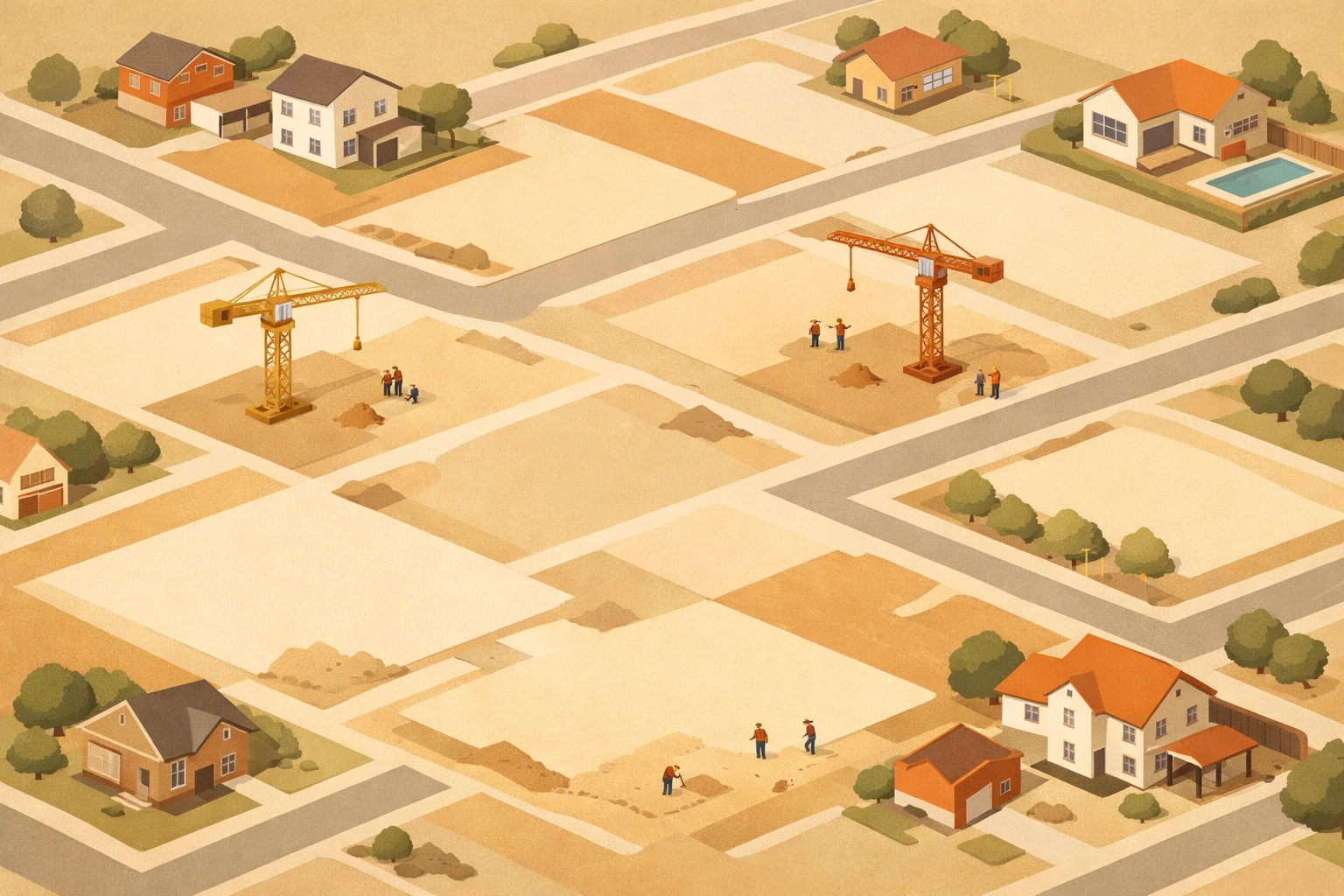
Yes, builders are cranking out new homes, especially in the Sun Belt and West Coast markets that went absolutely bonkers during the pandemic. But here's the thing: we're not building enough to make up for years of underbuilding after the 2008 housing crash. We dug ourselves into a supply hole so deep that even a construction boom feels like we're trying to fill the Grand Canyon with a garden hose.
In some markets, particularly those that saw pandemic migrants flooding in, there's actually some oversupply happening, and prices in those specific areas are softening. But nationally? We're still short millions of homes. That shortage keeps a floor under prices that won't budge.
Mortgage Rates Aren't Coming to the Rescue
The 30-year fixed mortgage rate is expected to hover around 6% by the end of 2026. That's not terrible by historical standards, your parents probably paid double that in the '80s and didn't complain (much), but compared to the pandemic-era rates, it feels like getting charged for air at the gas station.
These elevated rates mean fewer people can afford to buy, which should crash prices. But because supply is so tight, it just means the market is stuck in neutral. Not enough buyers to push prices up dramatically, but not enough homes to push prices down either. We're in economic purgatory.
The "Good News" for Buyers (Sort Of)
Here's where the spin doctors come in with their "affordability is improving" talk. And technically, they're not wrong, they're just not saying what you think they're saying.
Income Growth Is Outpacing Price Growth
Wages are finally growing faster than home prices. It's like being in a race where your opponent trips and falls, and suddenly you're winning even though you're not running any faster. About 20 major markets are expected to hit "affordability thresholds" by the end of 2026, which means the average household income in those cities will be able to afford the median-priced home.
This is good news if you're patient and your income is actually growing. But if you're sitting in a job where raises are as rare as a polite political conversation, this "improvement" won't feel like much of a win.
The Math of "Catching Up"
What's happening is simple: if home prices grow 2% and your wages grow 4%, you're gaining ground. You're not getting a discount on the house, it's still expensive as hell, but your paycheck is slowly catching up to the price tag. It's like running a marathon where the finish line is also running away from you, but at least it's slowing down.
Zillow and other forecasters are banking on this wage-catch-up trajectory continuing through 2026. If it holds, more people will technically be able to afford homes, even though those homes aren't actually getting cheaper. This is the economic equivalent of "technically correct," which is both the best and worst kind of correct.
What This Means for Renters (Spoiler: It's Not Great)
If you're renting and thinking, "Well, at least my rent won't go up while all this housing madness plays out," I have some deeply unfortunate news. Rents are expected to climb 2-3% in 2026, which is basically in lockstep with general inflation.

Here's the kick in the teeth: while homebuyers are getting this gradual affordability improvement (thanks to wage growth), renters are just getting squeezed harder. Why? Because the rental market is tightening.
The Rental Supply Crunch
There was a surge in multifamily apartment construction over the past three years, which helped cool some of the rental price insanity. But that supply bump is tapering off, and demand for rentals is climbing as people who can't afford to buy stay in the rental market longer. It's like musical chairs, except there are fewer chairs and the music never stops.
The result? Landlords have pricing power again. If you're not getting a 2-3% raise this year, your rent increase is going to hurt your budget. And if you are getting that raise, it's basically being eaten alive by your rent hike. You're running in place while someone steals your wallet.
So What Should Renters Actually Do?
This is the part where I'm supposed to give you a silver-bullet solution that makes everything better. Unfortunately, I don't have one, because the system is fundamentally broken when housing costs consume 30-40% of the average person's income. But here are some practical steps that might help:
1. Negotiate Your Rent (Yes, Really)
Most people just accept the rent increase notice like it's a death sentence from the universe. But here's the thing: landlords hate turnover. It costs them money to find new tenants, clean the unit, and deal with vacancy. If you've been a good tenant, you have leverage. Ask for a smaller increase or for upgrades/repairs in exchange for signing a longer lease. The worst they can say is no, which is the same outcome as not asking at all.
2. Consider a Roommate or Co-Living Situation
I know, I know, you're not 22 anymore and the idea of sharing a bathroom makes you want to scream. But splitting a two-bedroom with someone can cut your housing costs significantly. It's not glamorous, but it's math, and math doesn't care about your feelings.
3. Look at "Boring" Markets
If you have any flexibility in where you live, remote work, freelance gig, whatever, consider markets that didn't go insane during the pandemic. Midwestern cities, smaller metros, places where people actually say "ope" when they bump into you at the grocery store. Rents and home prices in these areas are often 30-40% lower than coastal markets, and the quality of life can be surprisingly good.
4. Build Your Down Payment War Chest
If buying is in your future plans, treat your savings like a second job. Automate transfers to a high-yield savings account every paycheck. Cut the subscriptions you don't use. The gap between renting and owning narrows when you have a decent down payment, and 2026 might actually be a year where that's achievable for more people, if you're disciplined.
The Bottom Line
Housing affordability in 2026 is improving in the most technical, frustrating, "I-guess-that's-better-than-nothing" way possible. Prices aren't dropping, but they're not skyrocketing either. Wages are catching up, but only if yours are actually growing. And if you're renting, well, you're basically watching homebuyers get a slight break while your rent climbs anyway.
The lock-in effect from those golden 3% mortgages, the ongoing supply shortage, and the elevated mortgage rates have created a housing market that's stuck in neutral. It's not crashing, it's not booming: it's just expensive and staying that way.
For renters, the advice is pretty simple: negotiate, economize, and save like your future self is counting on you (because they are). For buyers, the message is patience: affordability is improving slowly, but it is improving. Just don't hold your breath for the crash that everyone keeps predicting. It's not coming.
Be mindful, be watchful and good luck.