



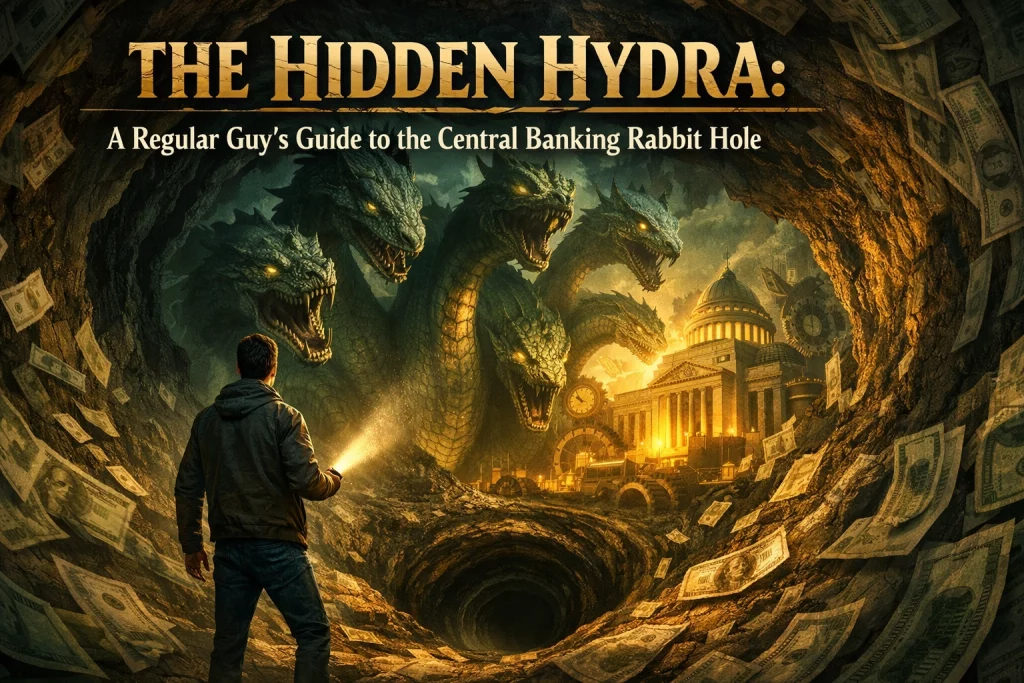
Ever wonder why money feels like it's evaporating faster than your last paycheck? There's a reason for that. And it's got tentacles that reach back over two hundred years. Welcome to the world of central banking, a system so clever, so complex, that most people never bother to look under the hood. But once you do, you can't unsee it.
Let's take a walk through history. Not the sanitized textbook version, but the messy, power-grabbing, backroom-dealing reality that built the financial system we're all trapped in today.
The Founders Saw It Coming
Back when America was still figuring out what it wanted to be, two heavyweight intellectuals were throwing punches over one big question: Should we have a central bank?
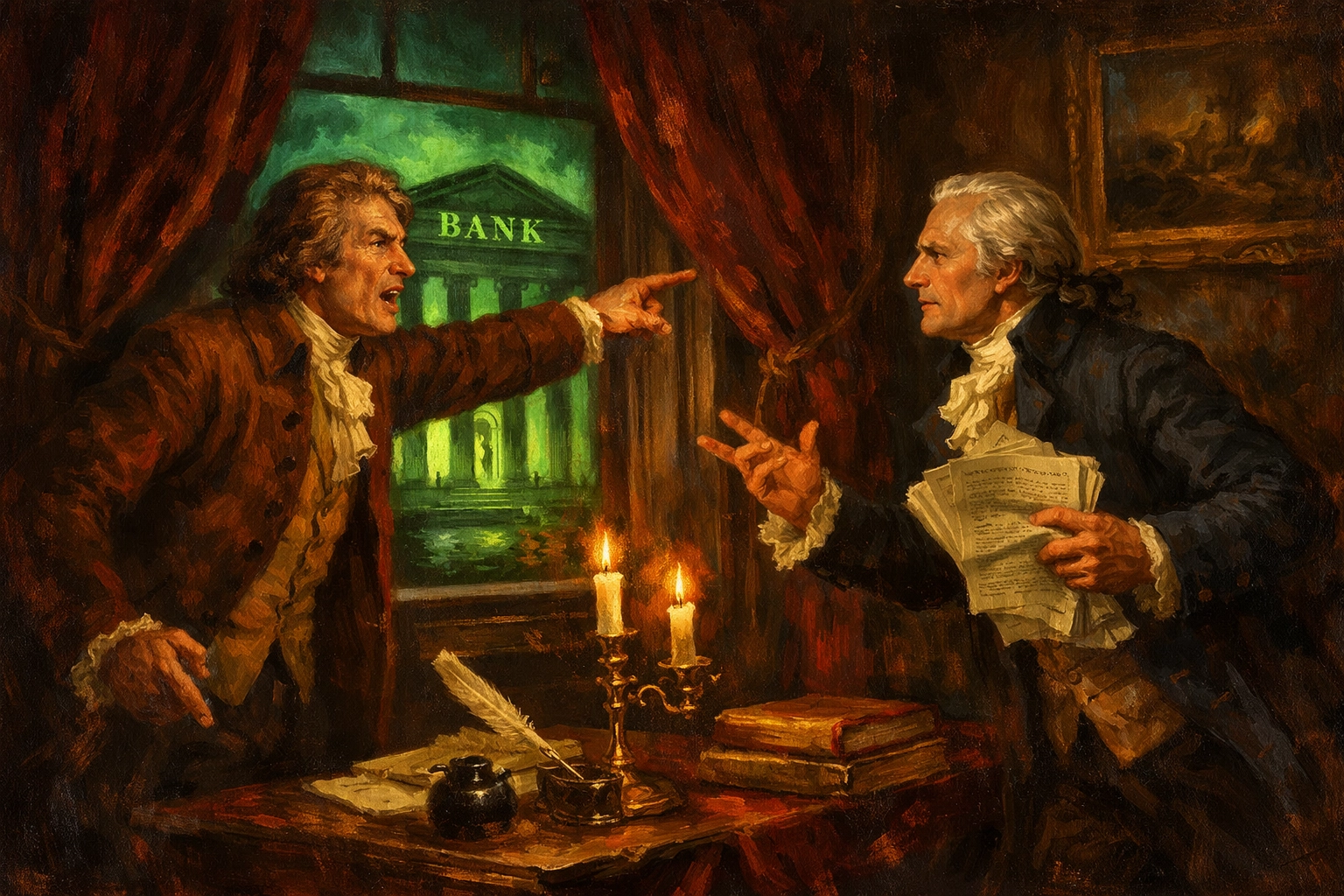
In one corner: Alexander Hamilton, the guy who thought we should copy the British model. He wanted a national bank, a centralized power that could manage debt, stabilize currency, and, let's be honest, favor the merchant and banking elite.
In the other corner: Thomas Jefferson, who saw through the whole con. Jefferson famously warned that "banking establishments are more dangerous than standing armies." He believed that giving a handful of bankers control over the nation's money supply was a recipe for tyranny. The kind that didn't need muskets, just ledgers.
Guess who won that first round? Hamilton. The First Bank of the United States was chartered in 1791. But Jefferson's warning didn't disappear. It echoed through the decades, and one man took it seriously enough to go to war.
Andrew Jackson: The Man Who Killed the Monster
Andrew Jackson was a lot of things, war hero, hothead, populist, but above all, he was a man who hated the central bank with a passion that would make modern conspiracy theorists blush.
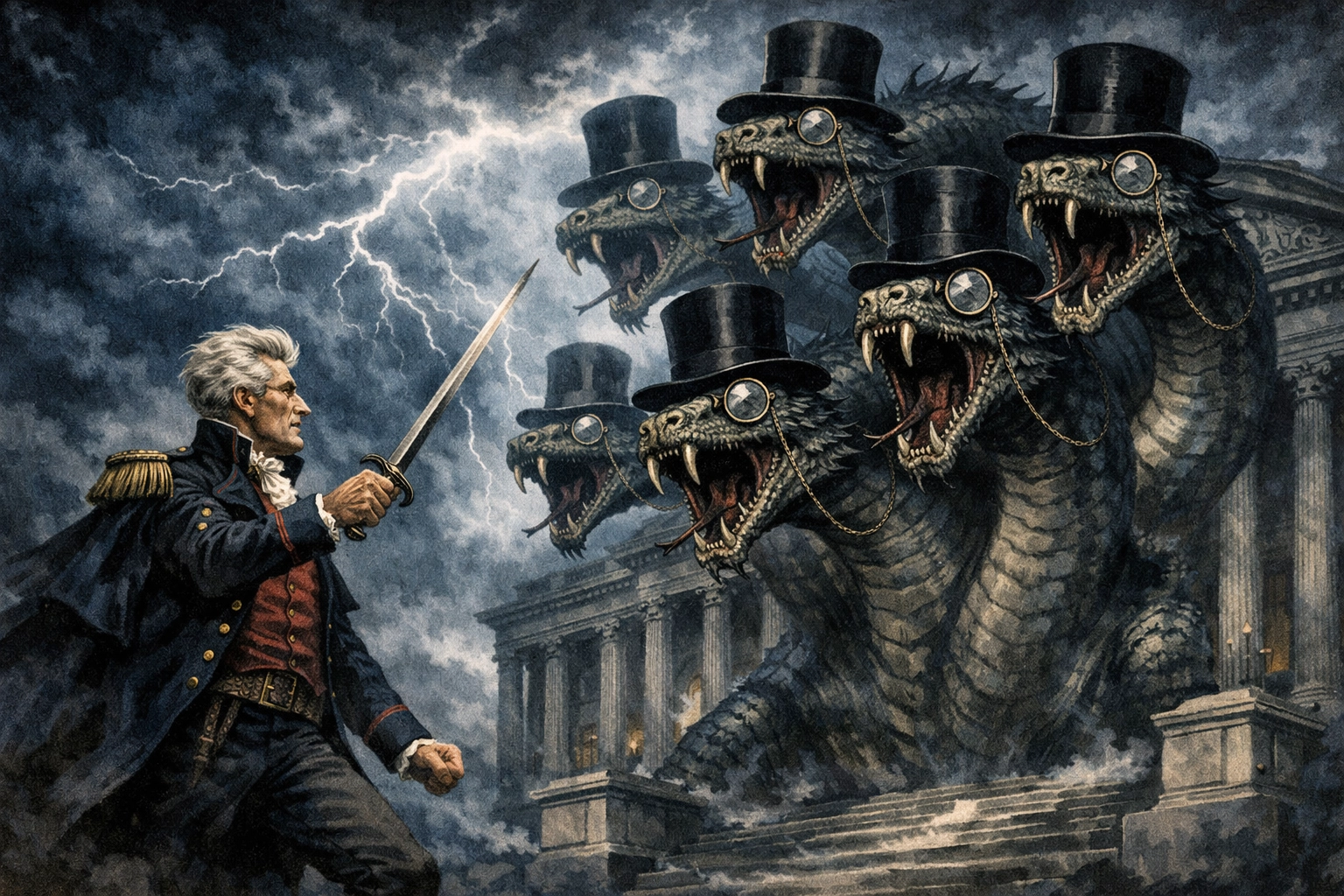
By the time Jackson became president in 1829, the Second Bank of the United States was in full operation. And it wasn't just a bank. It was a hydra-headed monster that controlled credit, manipulated markets, and favored Eastern elites and foreign investors over the common man. It held immense power over state banks, the economy, and ultimately, over who got rich and who got crushed.
Jackson saw it for what it was: a private corporation with a government-granted monopoly, run by men who answered to no one but themselves. The bank's president, Nicholas Biddle, wielded power like a king. He could strangle entire regions economically with a flick of his pen.
So when it came time to renew the bank's charter in 1832, Jackson vetoed it. His message was clear: "I will kill it!" And he did. He pulled federal deposits, redistributed them to state banks, and let the Second Bank die when its charter expired in 1836.
Jackson's victory was a brief moment of triumph for those who believed money should serve the people, not the other way around. But the hydra doesn't die easily. It just waits for its next opportunity.
Jekyll Island: The Secret Meeting That Changed Everything
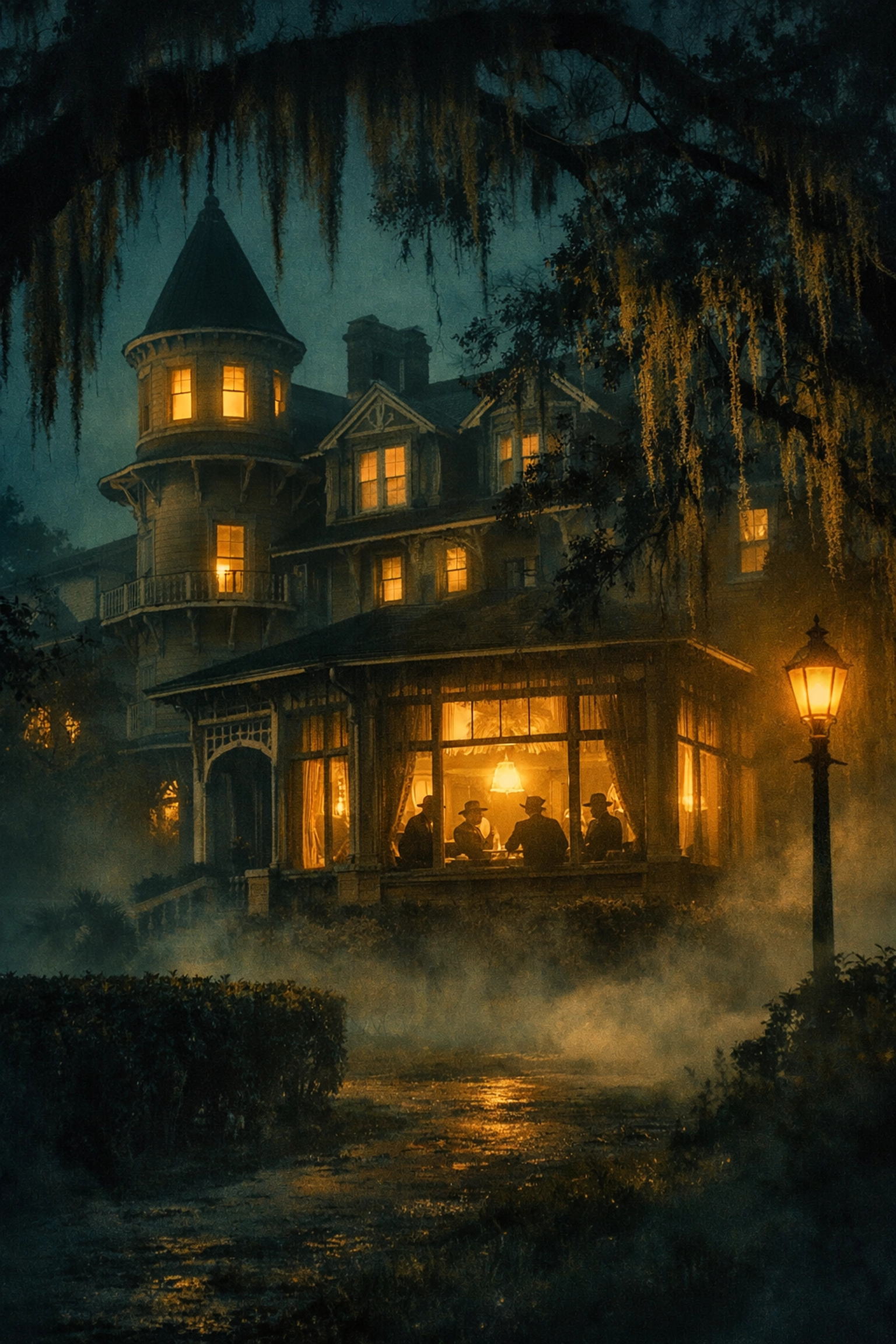
Fast forward to 1910. A cold November evening on Jekyll Island, Georgia. A handful of men, representing about one-quarter of the world's wealth, gathered in secret. They traveled under fake names. They avoided reporters. And they spent ten days crafting a plan that would reshape American finance forever.
This is the story G. Edward Griffin lays out in The Creature from Jekyll Island, and it reads like a thriller because, frankly, it is.
The attendees? Senator Nelson Aldrich, banking heavyweights like Paul Warburg, representatives from J.P. Morgan and the Rockefellers. Their mission? Create a central bank that wouldn't look like a central bank. Call it the "Federal Reserve" to make it sound like a government agency. Make it so complex that regular people wouldn't understand it. And most importantly, make sure it could create money, and debt, out of thin air.
Three years later, on December 23, 1913, while most of Congress was home for Christmas, President Woodrow Wilson signed the Federal Reserve Act into law. The bankers won. The hydra had a new head, bigger and more powerful than ever.
Wilson himself later admitted regret, reportedly saying, "I have unwittingly ruined my country." Whether he actually said it or not, the sentiment is accurate. He handed the keys to the kingdom to a private banking cartel.
The Debt Loop: How Fractional Banking and Taxes Work Together
Here's where it gets diabolical. The Federal Reserve doesn't just print money, it creates it out of debt. When the government needs cash, it issues bonds. The Fed buys those bonds with money that didn't exist until that moment. Poof. New dollars, new debt.
But the real genius, if you want to call it that, is how fractional reserve banking multiplies the scam. Banks only need to keep a fraction (say, 10%) of deposits on hand. The rest? They lend it out. That loan becomes a deposit in another bank, which lends 90% of that out, and so on. One dollar becomes ten. Ten becomes a hundred. It's a hall of mirrors where debt is disguised as wealth.
And who pays the interest on all this phantom money? You do. That's where the income tax comes in, also conveniently passed in 1913, the same year as the Federal Reserve. Coincidence? Not even close.
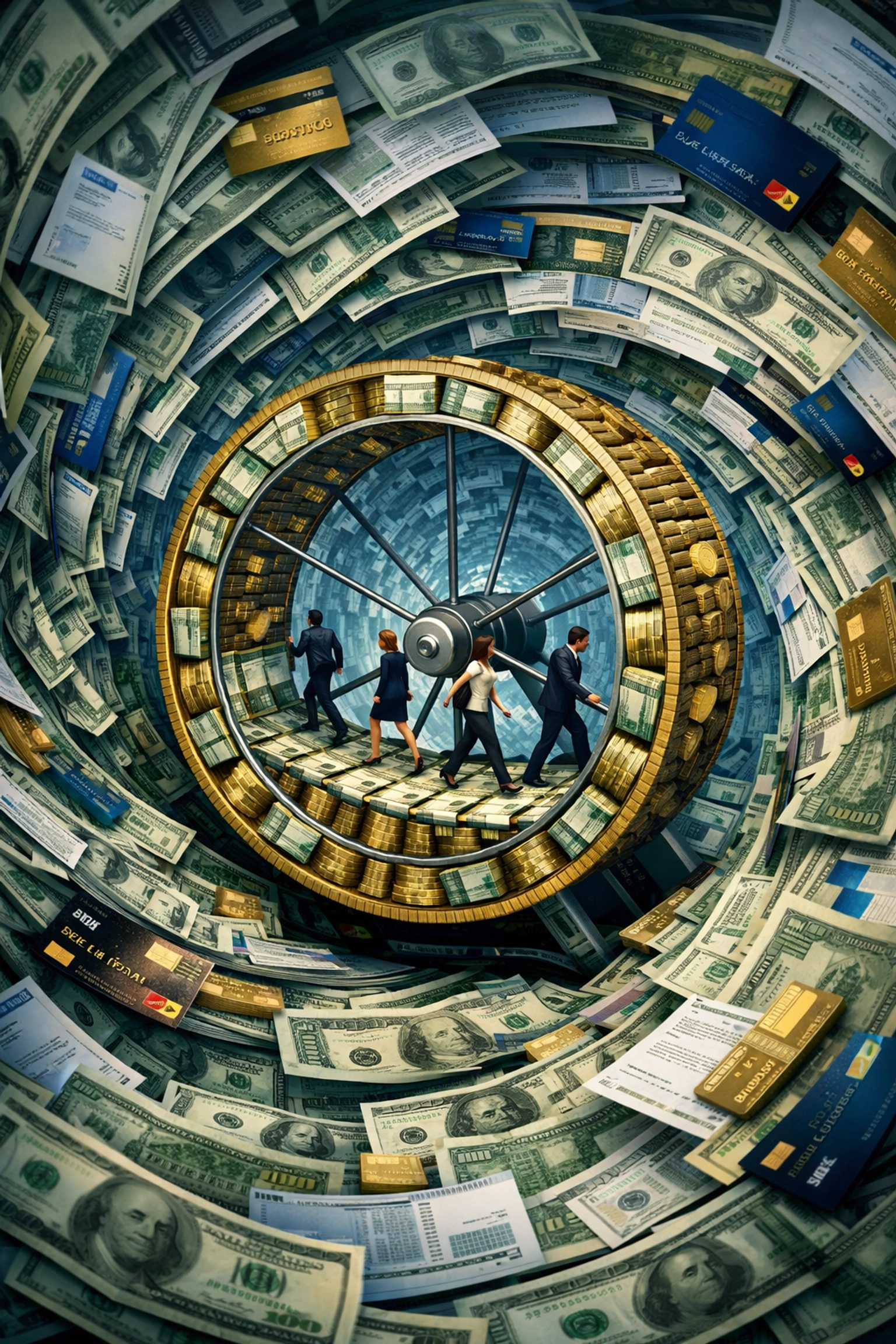
Income tax ensures a steady stream of revenue flows from citizens to the government, which then flows to the bankers who hold the debt. It's a closed loop. The bankers create money from nothing, loan it to the government at interest, and you work your whole life to pay it back. Welcome to the debt hamster wheel.
The Refuseniks: What Happens When You Say No
So what happens to countries that refuse to play ball with the central banking system? Funny you should ask.
Take Libya under Muammar Gaddafi. Say what you want about the guy, he was no saint, but he had an idea that terrified Western bankers: the Gold Dinar. Gaddafi wanted to create a gold-backed African currency that would free the continent from the debt-based dollar system. Libya had no central bank, no IMF debt, and was thriving with free healthcare, education, and housing subsidies for its citizens.
Then 2011 happened. NATO intervened. Gaddafi was killed. And one of the first things the rebels did? Establish a central bank. Before they even had a functioning government.
Iraq under Saddam Hussein? No Rothschild-controlled central bank. Syria? Same. Afghanistan? Check. Notice a pattern? It's not about democracy or human rights. It's about the banking system. If you're outside the network, you become a target.
Countries without central banks, or with state-controlled banks that don't answer to the international cartel, often enjoy strong growth, low debt, and national sovereignty. They don't have to pay tribute to the hydra. And that makes them dangerous.
The Big Picture
Central banking isn't just an economic system. It's a control system. It ensures that no matter how hard you work, no matter how much you save, someone else is skimming off the top. It guarantees that governments remain in debt, citizens remain in servitude, and the bankers remain in power.
Jefferson was right. Banking establishments are more dangerous than standing armies. They wage war without firing a shot. They conquer without occupying. They rule without governing.
Andrew Jackson killed the monster once. But it came back, stronger and smarter. And now, it's so embedded in the fabric of our economy that most people can't imagine life without it.
But here's the thing: we can imagine it. Because we've seen it. In the nations that said no. In the brief periods of history when the hydra was pushed back. In the moments when people chose sovereignty over subjugation.
The question is: will we ever do it again?
Be mindful, be watchful and good luck.