



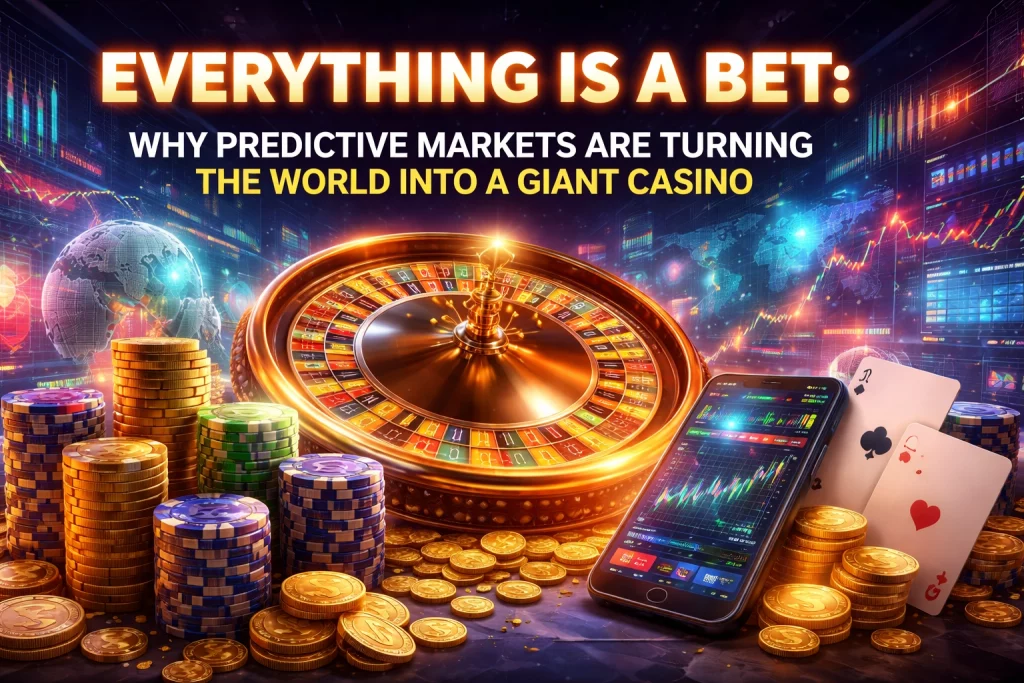
Remember when gambling meant a trip to Vegas, a scratch-off ticket at the gas station, or that one buddy who "had a guy" for the Super Bowl? Those were simpler times.
Now? You can bet on whether it's going to rain in Phoenix next Tuesday. You can wager on the next Fed interest rate decision. You can put real money on whether a specific bill will pass Congress. Welcome to the wonderful world of prediction markets: where everything in your news feed is now a potential betting slip.
And here's the thing: while Silicon Valley types dress this up as "information aggregation" and "price discovery," let's call it what it really is for most folks scrolling through these apps. It's gambling. With extra steps.
What Even Are Prediction Markets?
Platforms like Polymarket and Kalshi have exploded in popularity over the past few years. The pitch is simple: instead of betting on horses or football games, you bet on real-world events. Election outcomes. Economic data releases. Whether a CEO will get fired. Whether a hurricane will hit a specific city.
The intellectual argument goes like this: when people put money where their mouths are, the collective "wisdom of crowds" creates more accurate predictions than polls or expert opinions. Participants trade with each other based on differing beliefs, and the market price reflects the aggregated probability of an outcome.
Sounds fancy, right? Almost academic.
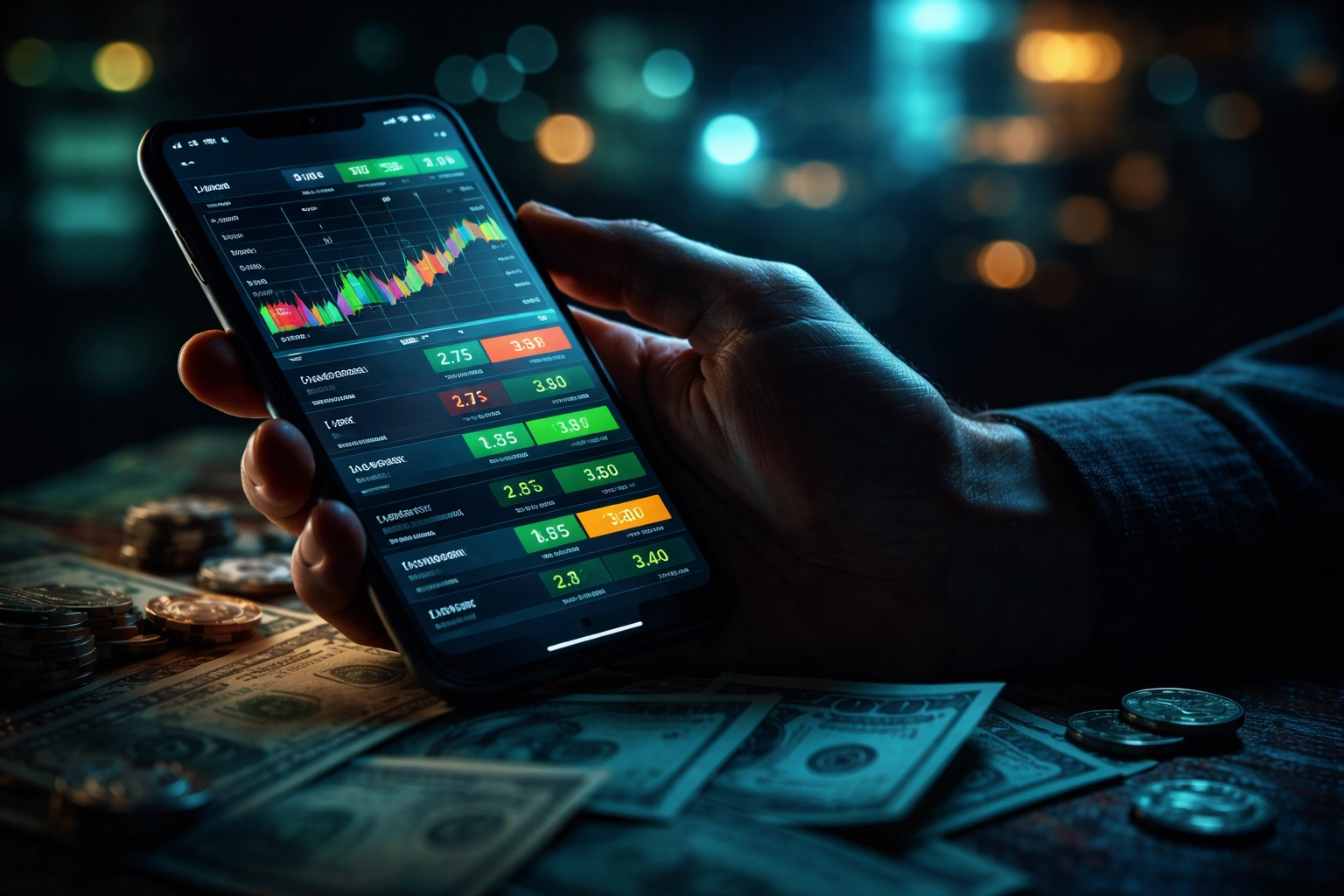
But strip away the financial jargon, and you've got people placing bets on whether bad things will happen. The only difference between this and your local sportsbook is that nobody's wearing a visor.
The Lottery Ticket Mentality
Here's where it gets real for the regular guy.
Inflation has crushed household budgets. Groceries cost more. Rent is insane. Wages aren't keeping up. And when people feel squeezed: when the traditional paths to getting ahead feel blocked: they start looking for shortcuts.
Enter the prediction market. It's positioned as "smarter" than buying lottery tickets. You're not just throwing money at random numbers. You're making an informed prediction. You're using your brain. You're basically a financial analyst now, right?
Wrong. You're still gambling. And the house: whether it's a casino or a slick prediction market app: still has ways to take its cut.
The danger is that these platforms target the exact people who can least afford to lose money. When you're struggling to make ends meet, the temptation to turn fifty bucks into five hundred on a "sure thing" political outcome is powerful. It's the same psychology that sells lottery tickets in low-income neighborhoods. Different wrapper, same trap.
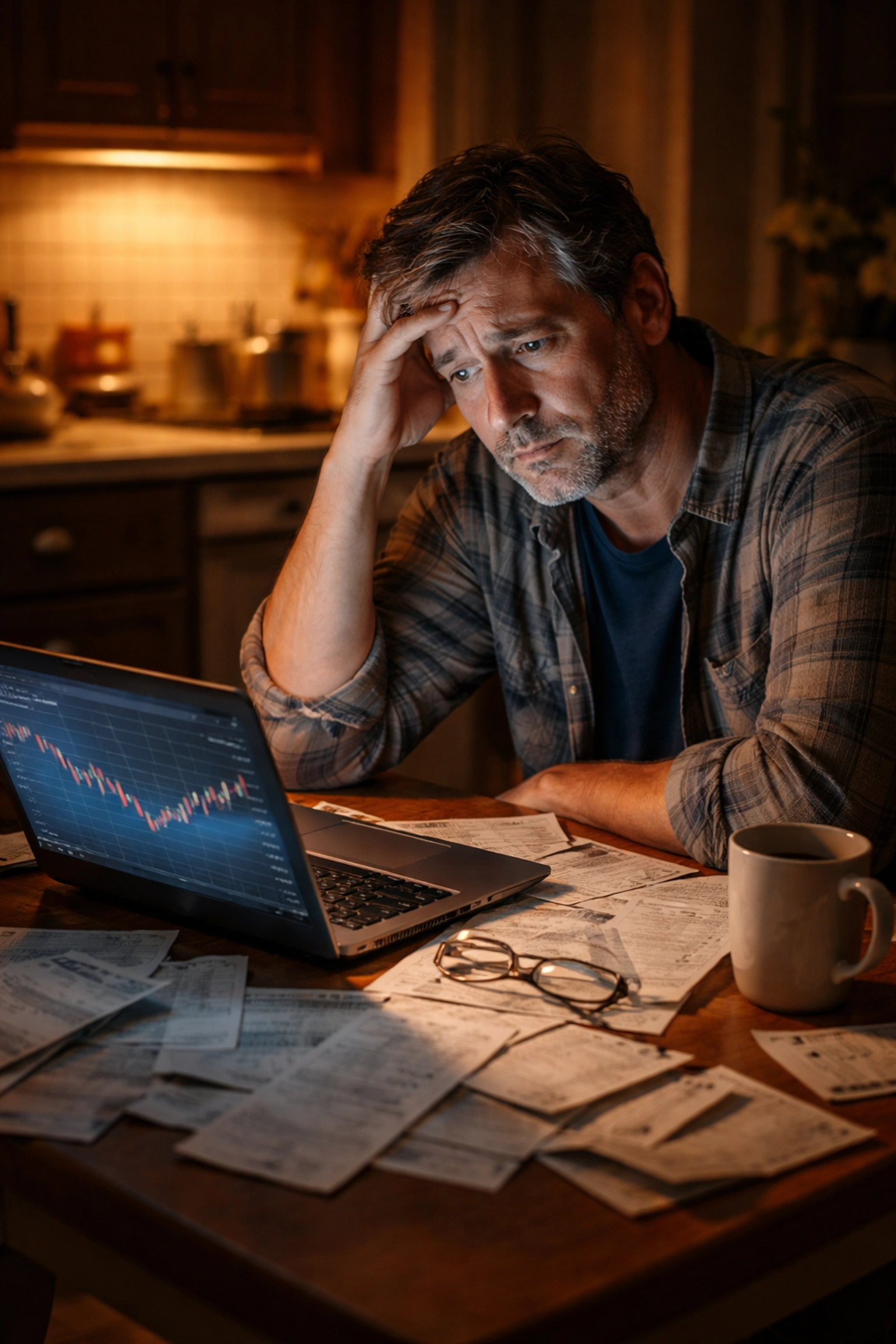
When You Start Rooting for Bad Outcomes
This is the part that keeps me up at night.
When you gamify real-world events, you create a perverse incentive structure. Suddenly, people have financial stakes in outcomes that affect real human beings.
Got money on a government shutdown? Now you're hoping Congress doesn't get its act together. Bet on inflation coming in hot? You might catch yourself rooting for higher grocery prices: the same prices crushing your neighbor's budget.
Prediction market defenders say this doesn't matter. The market is just reflecting information, not causing outcomes. And sure, your fifty-dollar bet isn't going to sway Federal Reserve policy.
But what about the collective mindset? What happens to a society where millions of people are financially invested in chaos, dysfunction, and disaster? Where the news isn't just depressing: it's a profit opportunity?
That's not price discovery. That's a casino mentality applied to civic life.
"Price Discovery" or Pocket Draining?
The pro-prediction market crowd loves to talk about efficiency. Markets aggregate information. Prices signal truth. It's beautiful, really: if you're an economist writing a paper.
But for the average person? These markets are just another way to lose money you don't have.
Studies show prediction markets can outperform polls when participation is broad and incentives are clear. Great. But that doesn't mean the average user is making money. Most people who gamble lose. That's not cynicism: that's math.
The winners in any betting market are the sharp players, the insiders, and the platforms themselves. The losers are regular folks who thought they spotted a sure thing.
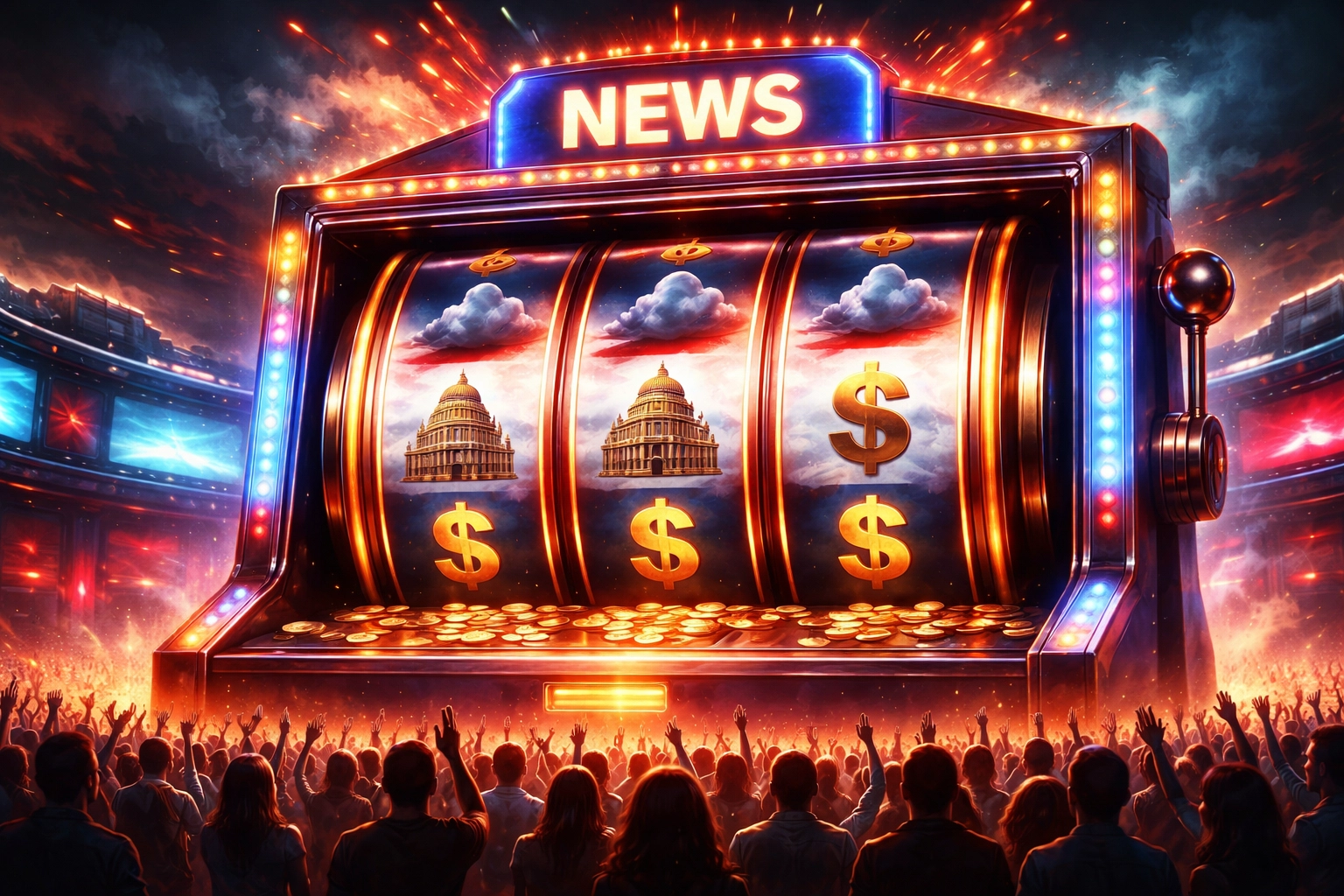
America: The Giant Casino
Step back and look at the big picture. We've got:
- Sports betting legal in most states
- Online casinos everywhere
- Crypto speculation
- Meme stocks
- And now, prediction markets on everything
The entire economy is starting to feel like one giant casino floor. And while the marketing says "entertainment" and "information," the result is the same: money flowing from people who can't afford to lose it to people who can afford to take it.
Maybe that's always been true about capitalism. But there's something uniquely dark about turning the evening news into a betting parlor. About making every headline a potential payday.
The Bottom Line
Look, I'm not saying prediction markets are inherently evil. There's a legitimate argument for their usefulness in certain contexts. And adults should be free to make their own choices.
But let's not pretend this is some noble exercise in collective intelligence. For most people, it's gambling dressed up in a tech-bro blazer.
If you're going to participate, go in with your eyes open. Set limits. Don't bet what you can't afford to lose. And for the love of everything, don't start hoping for disasters just because you've got money on them.
The world has enough problems without turning them into entertainment.
Be mindful, be watchful and good luck.