



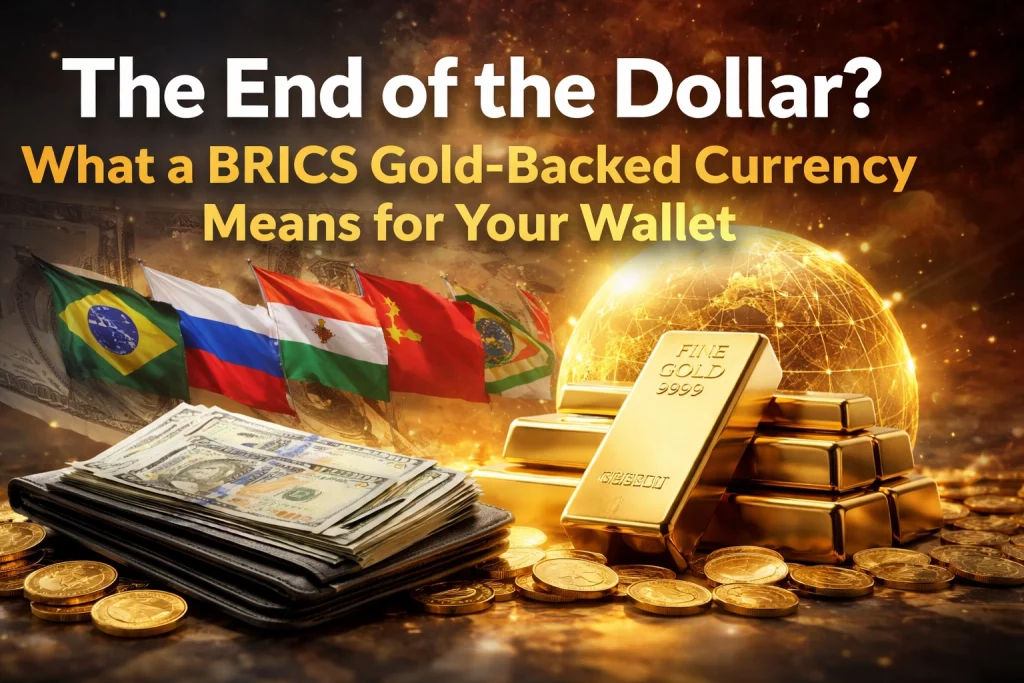
Let me paint you a picture. You wake up tomorrow and everything at the grocery store costs twice as much. Your mortgage payment just jumped. Gas prices look like a typo. And that comfortable retirement you've been planning? It's suddenly a lot less comfortable.
Sound dramatic? Maybe. But this is the kind of scenario economists whisper about when they talk about what happens if the world decides it doesn't want to use American dollars anymore.
The BRICS nations, that's Brazil, Russia, India, China, and South Africa, plus a growing list of friends, have been making serious moves. In late 2025, they launched a pilot for something called the "Unit," a digital trade currency backed by 40% physical gold and 60% by their member currencies. It's designed to let these countries trade with each other without touching a single American dollar.
So what does this mean for you, the regular person trying to pay bills and maybe save a little for vacation? Let's break it down.
The "Exorbitant Privilege" You Didn't Know You Had
Here's something most Americans don't think about: we've been living with a massive economic advantage for decades. Since World War II, the US dollar has been the world's reserve currency. That means when countries trade oil, commodities, or just about anything else internationally, they usually do it in dollars.
This gives America what French finance minister Valéry Giscard d'Estaing famously called an "exorbitant privilege." We can essentially print money to pay our debts. We run massive deficits, and the world keeps lending to us because everyone needs dollars.
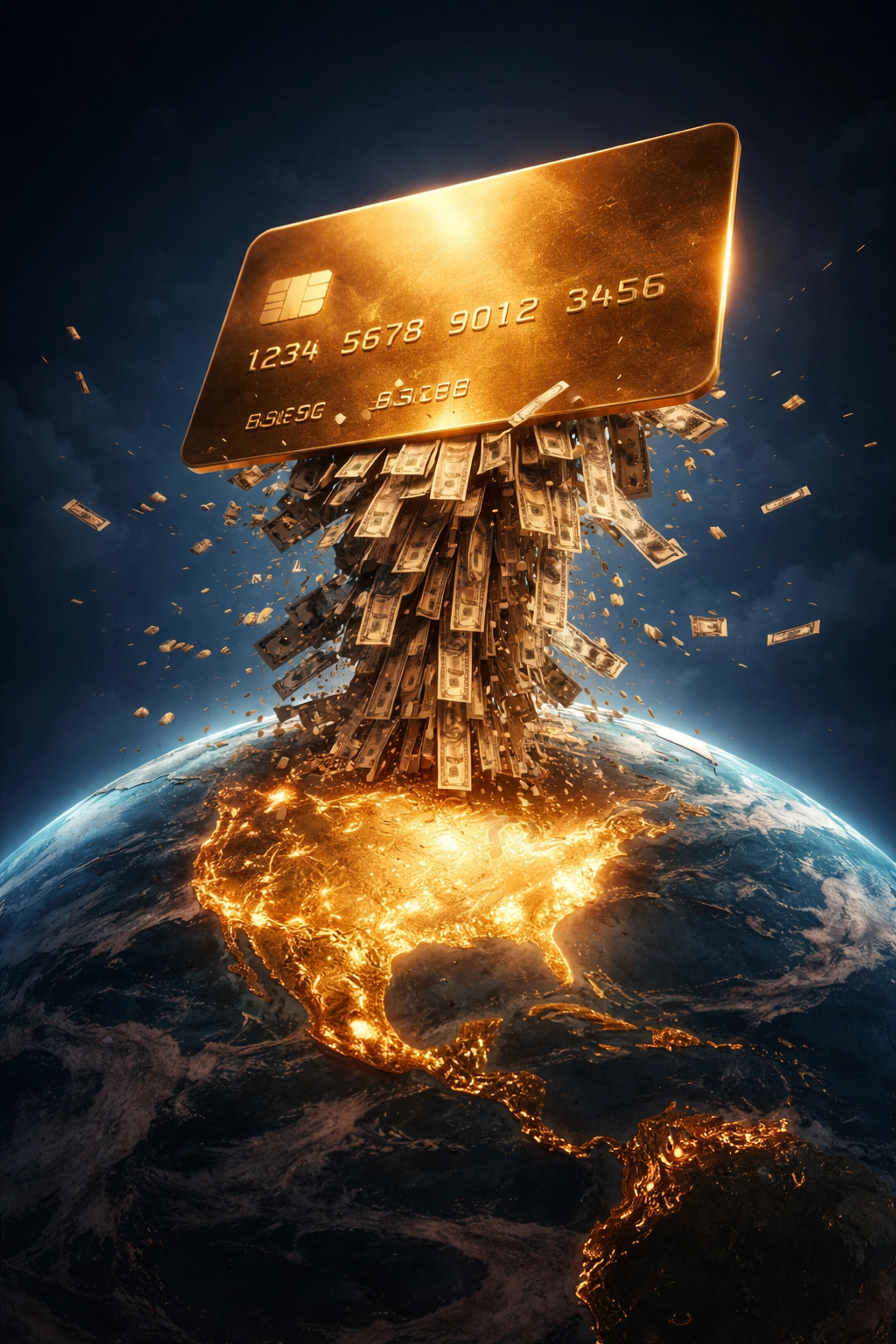
Think of it like having a credit card with no real limit because the bank needs you more than you need them. Pretty sweet deal, right?
Now imagine that credit card gets canceled.
What Happens When the Music Stops
If BRICS nations and others significantly reduce their dollar usage, several things start happening: and none of them are fun for American wallets.
Inflation Goes From Bad to Worse
When demand for dollars drops globally, all those dollars floating around overseas start coming home. More dollars chasing the same amount of goods equals inflation. And not the "prices went up three percent" kind of inflation. We're talking about the kind where you notice it every single time you buy anything.
The research shows that BRICS controls about 50% of global gold production. If they're accumulating gold to back their new currency while dumping dollars, that's a double hit. Gold goes up, dollar goes down, and your purchasing power takes it on the chin.
Interest Rates Through the Roof
Here's where it gets really uncomfortable. The US government is sitting on over $34 trillion in debt. We pay for this debt by selling Treasury bonds. Countries buy these bonds because they need somewhere safe to park their dollars.
But if countries don't need as many dollars? Suddenly, there are fewer buyers for our debt. When you have fewer buyers, you have to offer better deals. That means higher interest rates on government bonds, which ripples through the entire economy.

Your mortgage rate goes up. Car loans get more expensive. Credit card rates: already painful: become excruciating. Business loans cost more, which means companies hire less and charge more for their products.
It's a nasty cycle that feeds on itself.
The Gas Station Reality Check
America imports a lot of oil. Currently, oil is priced in dollars globally: the famous "petrodollar" system. If major oil producers start accepting other currencies or this new BRICS unit, we lose that advantage.
Suddenly, we're not just buying oil. We're buying oil AND dealing with currency exchange risks. Gas prices become more volatile and likely more expensive on average. And since transportation costs affect literally everything, from your Amazon packages to your bananas, those costs spread everywhere.
What Would This Actually Look Like Day-to-Day?
Let's get practical. If the dollar seriously loses its reserve status, here's what an average Tuesday might look like:
You fill up your car and notice gas is up another twenty cents from last week: for the third week in a row. At the grocery store, that package of chicken that was $8 last month is now $11. Your adjustable-rate mortgage just sent you a letter about your new payment, and you need to sit down after reading it.
Meanwhile, the news is full of experts arguing about whether this is temporary or the new normal. Spoiler: it's probably more normal than anyone wants to admit.
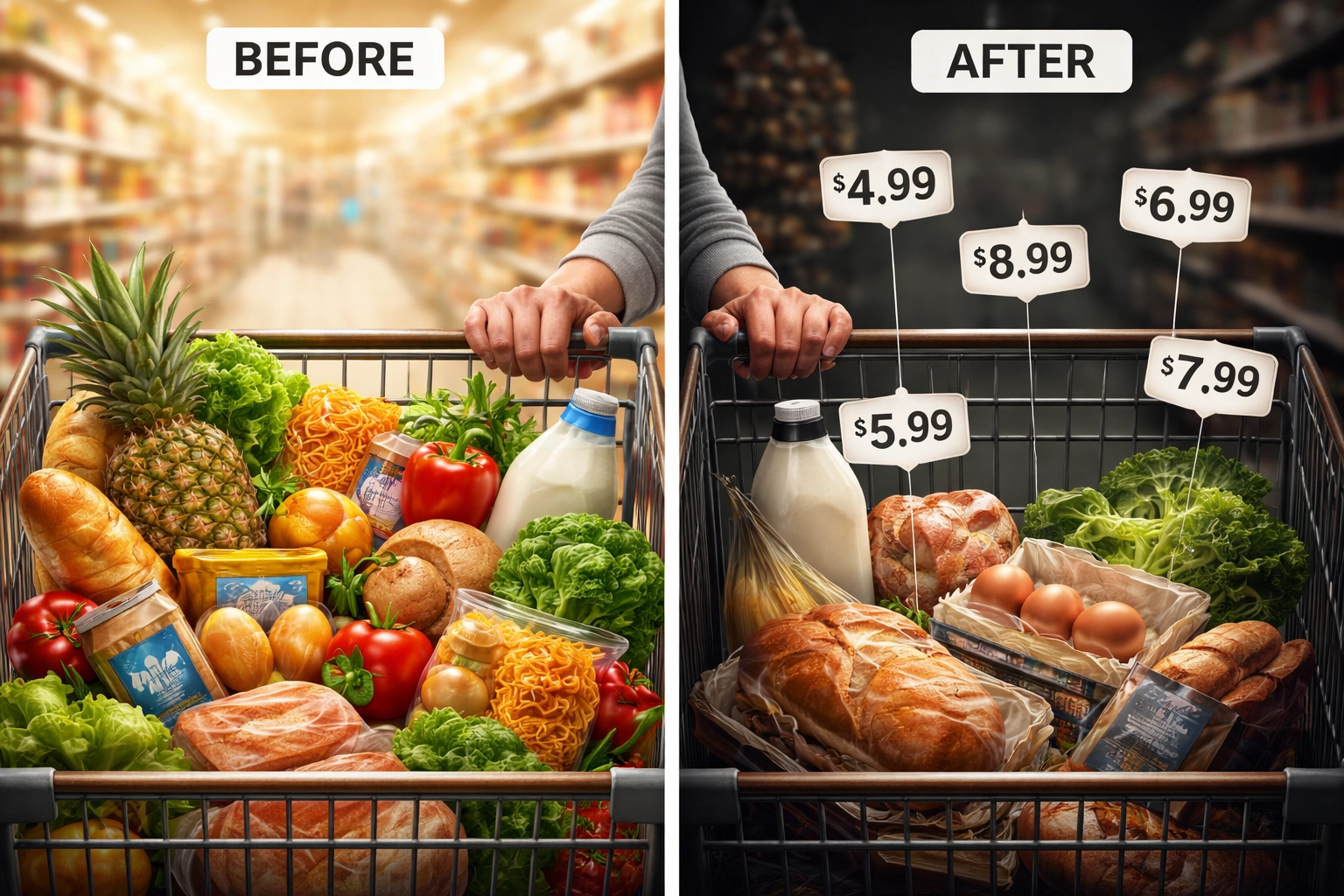
Your savings account might finally pay decent interest, but that's cold comfort when everything costs more. The raises at work can't keep up with prices. Retirement calculators start showing numbers that make you want to close the browser tab.
The Silver Lining (Sort Of)
Now, before you start hoarding canned goods and gold coins in your basement, let's pump the brakes a little.
The research is clear that the dollar isn't disappearing overnight. Even BRICS experts acknowledge that completely separating from the dollar is incredibly difficult. The Unit is designed for trade settlement between BRICS nations: it's not showing up at your local Target anytime soon.
What we're really looking at is a gradual shift. The dollar slowly sharing influence with other currencies rather than being dethroned entirely. Think of it less like a heart attack and more like high cholesterol: a slow-building problem you need to manage.
What Can Regular People Do?
First, don't panic. Panicking never helped anyone's financial situation.
Second, diversification isn't just for millionaires. Having some exposure to international investments, commodities, or yes, even a little gold, isn't crazy talk anymore. It's just smart hedging.
Third, pay attention to debt. If interest rates spike, being heavily leveraged is going to hurt. Paying down high-interest debt now is never a bad move.
Finally, stay informed. The global financial system is shifting in real-time. The BRICS nations are making moves that would have seemed impossible twenty years ago. Whether this transition takes five years or fifty, the direction of travel seems clear.
The American economy has survived a lot: world wars, financial crises, pandemics. We'll likely survive this transition too. But "surviving" and "thriving" are different things, and the regular folks who pay attention are going to be better positioned than those who don't.
The dollar's dominance was never guaranteed to last forever. Nothing in economics ever is. The question isn't really if things will change, but how fast and how well we adapt.
Be mindful, be watchful and good luck.