



If you've been paying attention to the news lately, you've probably noticed something: property taxes are suddenly a hot topic. From state legislatures to kitchen table conversations, everyone seems to be talking about property tax reform. And honestly? It's about time.
Whether you're a homeowner watching your tax bill climb year after year, or you're trying to figure out if you can even afford to buy a house in 2026, this conversation matters to you. Let's break down what's happening, why it's happening now, and what it could mean for your wallet.
What's Driving All This Talk About Property Tax Reform?
Here's the simple truth: property taxes have been squeezing homeowners for years, and people are fed up.
Rising home values sound great on paper, until you realize that your property tax bill rises right along with them. For a lot of folks, especially those on fixed incomes or in areas where home prices have skyrocketed, the math just doesn't work anymore. You might own your home outright, but if you can't afford the tax bill, do you really own it?
This isn't just a complaint session at the neighborhood barbecue anymore. It's become a genuine political priority. Lawmakers in multiple states are responding to constituents who are struggling with escalating bills, and some are even exploring the complete elimination of property taxes.
States Are Actually Doing Something About It
The good news? This isn't all talk. Several states have rolled out significant property tax reforms in 2025 and 2026. Here's a quick rundown of what's happening across the country:
Indiana
Indiana launched a major property tax overhaul that's expected to provide roughly $1.3 billion in relief over the next three years. That's not pocket change. For Hoosier homeowners, this could mean real, measurable savings on their annual tax bills.
Ohio
Ohio passed comprehensive reforms that include caps on unvoted tax growth and refunds for excess payments. In plain English: there are now limits on how much your taxes can go up without voters approving it, and if you overpaid, you might actually get some money back.
Montana
Montana implemented new rate structures that lower taxes specifically for primary residences. If you live in your home (as opposed to owning it as an investment property), you're getting a break.
Mississippi
Mississippi increased homestead exemptions for seniors. If you're retired and trying to stay in your home, this kind of targeted relief can make a huge difference.
Pennsylvania
Pennsylvania expanded its tax rebate programs, putting more money back in the pockets of qualifying homeowners.
And More…
Wyoming, North Dakota, and other states are pursuing similar initiatives. The momentum is real, and it's bipartisan in many places.

Why Property Taxes Hit Different
Let's be honest: property taxes aren't like income taxes or sales taxes. They feel more personal because they're tied directly to your home, the place where you live, raise your kids, and build your life.
When your property tax bill goes up, you feel it immediately. It affects your monthly housing costs, your ability to save, and sometimes even your decision about where to live. High property taxes can push people out of neighborhoods they've called home for decades.
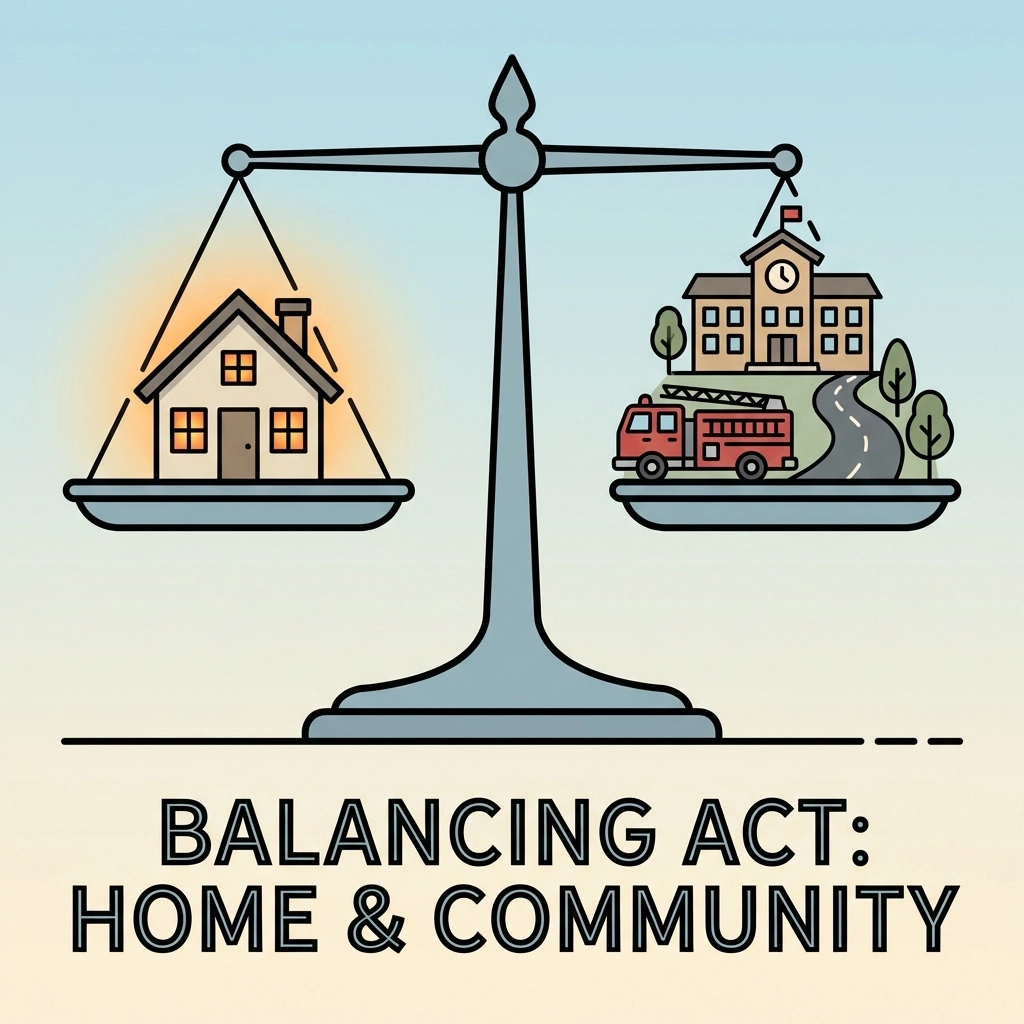
And here's the kicker: property taxes fund a lot of the stuff we rely on every day. Schools, roads, fire departments, libraries, these are all supported by property tax revenue. So when we talk about reform, we're not just talking about cutting taxes. We're talking about finding a balance between relief for homeowners and funding for the services that make our communities work.
The Tradeoffs Are Real
This is where things get tricky. Property tax reform sounds great, but it's not a free lunch.
If property tax revenue goes down, local governments have to make up the difference somewhere. That could mean:
- Cuts to school funding
- Deferred maintenance on roads and infrastructure
- Reduced public safety services
- Higher fees for other services
Some states are trying to offset these impacts by shifting funding sources or finding efficiencies elsewhere. Others are betting that economic growth will fill the gap. But the reality is that every dollar of tax relief has to come from somewhere.
As a homeowner, you might save money on your tax bill, but if your local school loses funding or your roads fall apart, is that really a win?
This is the debate happening right now in statehouses across the country. There's no easy answer, but it's a conversation worth having.
Don't Forget About SALT
While we're talking about property taxes, it's worth mentioning the SALT deduction, that's the State and Local Tax deduction on your federal income taxes.
For years, the SALT deduction was capped at $10,000, which hurt homeowners in high-tax states. But there's some relief on the horizon: the cap has been increased to $40,000 for tax years 2025 through 2029.
If you live in a state with high property taxes (looking at you, New Jersey, Illinois, and New York), this could mean a bigger federal tax deduction. It doesn't lower your property tax bill directly, but it does reduce your overall tax burden.
Keep this in mind when you're doing your taxes or talking to your accountant. Every little bit helps.
What Can You Do Right Now?
Okay, so the policy stuff is interesting, but what can you actually do about your property taxes today? Here are a few practical tips:
1. Check Your Assessment
Your property tax bill is based on your home's assessed value. If that assessment is too high, you're paying more than you should. Most counties have a process for appealing your assessment: and it's often easier than you think.
2. Look Into Exemptions
Many states and localities offer exemptions for seniors, veterans, disabled homeowners, or primary residences. You might qualify for relief you didn't even know existed.
3. Stay Informed
Pay attention to what's happening in your state legislature. Property tax reform is a moving target, and new programs or relief options could become available.
4. Budget for It
Property taxes are a fact of life for homeowners. Make sure you're budgeting for potential increases, even if reform is on the horizon. Hope for the best, plan for the rest.
The Bottom Line
Property tax reform is more than just a political talking point: it's a real issue affecting real people. Whether you're a first-time homebuyer trying to figure out what you can afford, a retiree on a fixed income, or just someone tired of watching your tax bill climb every year, this conversation matters.
The good news is that states are finally taking action. The challenge is finding a balance that provides relief without gutting the services we all depend on.
Keep an eye on what's happening in your state, take advantage of any exemptions or appeals you qualify for, and don't be afraid to make your voice heard. After all, this is your home and your money we're talking about.
For more plain-English takes on the economy and your wallet, check out Regular Guy Economics.
be mindful, be watchful and good luck.