



If you've ever wondered who's pulling the strings behind America's economy, meet the Federal Reserve: or "the Fed" as it's known to friends and enemies alike. Think of it as the economy's helicopter parent: always hovering, constantly adjusting things, and occasionally grounding the whole system when it gets too wild.
The Fed is basically the United States' central bank, which sounds fancy but really just means they're the bank that bosses around all the other banks. They control the money supply, set interest rates, and generally try to keep the economic ship from either sinking or flying off into space.
What Exactly Is Their Job?
Congress gave the Federal Reserve what's called a "dual mandate," which is economist-speak for "you have two main jobs, don't mess them up." These two jobs are:
- Keep prices stable (translation: don't let your coffee go from $3 to $30 overnight)
- Maximum employment (translation: help as many people as possible have jobs without breaking the economy)
It's like being asked to drive a car while keeping it at exactly 65 mph AND making sure all passengers are comfortable. Sounds simple enough, right? Wrong. The economy is more like trying to drive a school bus full of caffeinated teenagers while juggling flaming torches.
The Fed's Five Main Gigs
The Federal Reserve doesn't just sit around making important-looking phone calls. They actually have five specific jobs that keep the American economy from turning into a complete disaster movie:
1. Conducting Monetary Policy (The Big One)
This is their main event: controlling interest rates and the money supply. When the Fed wants to juice the economy, they lower interest rates, making it cheaper for people and businesses to borrow money. When things get too heated and inflation starts running wild, they raise rates to cool things down.
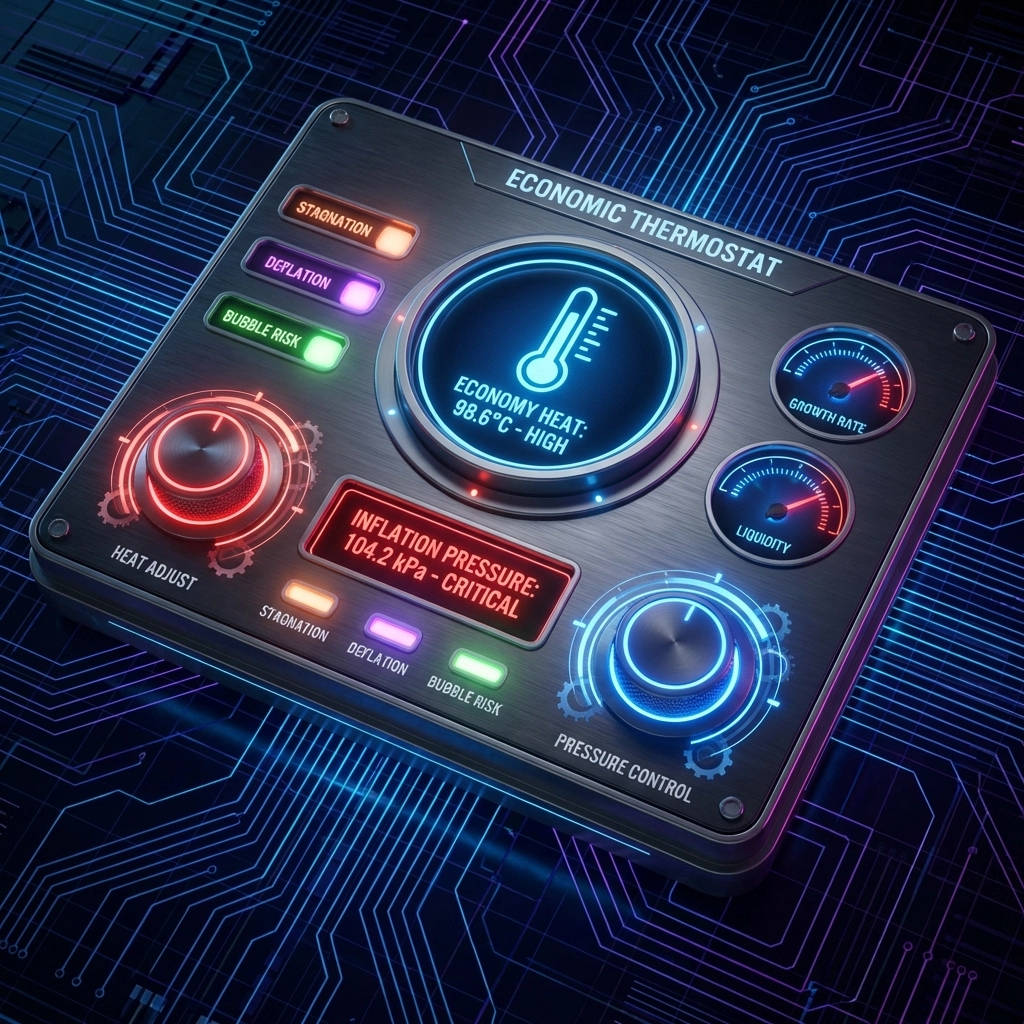
Think of it like a thermostat for the economy. Too cold? Turn up the heat (lower rates). Too hot? Crank up the AC (raise rates). Except instead of your comfort, they're managing the financial wellbeing of 330 million Americans. No pressure.
2. Keeping the Financial System from Exploding
The Fed monitors banks and financial institutions to make sure they're not doing anything spectacularly stupid. Remember 2008? That's what happens when this system breaks down. The Fed tries to spot problems before they turn into "we're all doomed" scenarios.
They're like financial hall monitors, but with the power to shut down institutions that are playing with fire.
3. Bank Supervision (Playing Financial Police)
The Fed regulates banks to ensure they're safe, sound, and not gambling away your grandmother's life savings on crypto or whatever the latest financial craze happens to be. They conduct regular check-ups on banks, kind of like how the health department inspects restaurants, but instead of food safety, they're checking financial safety.

4. Payment System Management
Ever wonder how your paycheck magically appears in your bank account? Or how banks move trillions of dollars around every day without losing track? That's the Fed's payment system at work. They provide the infrastructure that keeps money flowing smoothly through the economy.
It's like being the IT department for the entire American financial system. When it works, nobody notices. When it breaks, everyone panics.
5. Consumer Protection and Community Development
The Fed also makes sure banks aren't taking advantage of regular folks. They investigate complaints, enforce consumer protection laws, and support community development initiatives. They're like the economy's customer service department, but with regulatory teeth.
The Fed's Toolkit: How They Actually Do This Stuff
The Federal Reserve has three main tools to influence the economy, and they're surprisingly straightforward:
Open Market Operations (The Big Gun)
This is the Fed's favorite tool, and it works like this: when they want to stimulate the economy, they buy government bonds from banks. This gives banks more cash to lend out, which encourages borrowing and spending.
When they want to slow things down, they sell bonds to banks, sucking money out of the system and making banks more cautious about lending.
It's elegant in its simplicity: like turning a giant financial faucet on or off.
Interest Rate Setting (The Famous One)
You know those Federal Reserve meetings that make headlines? This is what they're usually talking about. The Fed sets the federal funds rate: the interest rate banks charge each other for overnight loans.
This rate ripples through the entire economy. When the Fed raises rates, your mortgage gets more expensive, credit card rates go up, and businesses think twice about expanding. When they lower rates, borrowing gets cheaper across the board.

Reserve Requirements (The Overlooked One)
Banks are required to keep a certain percentage of their deposits in reserve: essentially money they can't lend out. The Fed can adjust these requirements to control how much money banks have available to lend.
Think of it like a dam. Raise the requirements (raise the dam), and less money flows into the economy. Lower them (lower the dam), and more money floods the system.
How This Shows Up in Your Real Life
All this Fed activity isn't happening in some abstract economic dimension: it directly affects your wallet:
Your Mortgage: When the Fed cuts rates, mortgage rates usually follow. When they raise rates, buying a house gets more expensive.
Your Savings Account: That pathetic 0.01% interest rate on your savings? Thank historically low Fed rates for that. Higher Fed rates mean better returns on savings accounts and CDs.
Your Job: The Fed's employment mandate means they're constantly trying to balance job creation with economic stability. Their decisions influence whether companies are hiring or laying people off.
Your Grocery Bill: The Fed's inflation fighting affects everything from gas prices to food costs. They're trying to keep prices stable so your paycheck maintains its buying power.
Your Credit Cards: Fed rate changes flow through to credit card interest rates, affecting how much that weekend shopping spree actually costs you.
The Fed's Balancing Act
Here's where it gets tricky: the Fed's two main jobs sometimes conflict with each other. Creating jobs often requires stimulating the economy, which can lead to inflation. Fighting inflation often requires cooling the economy, which can cost jobs.
It's like being asked to make everyone happy at a family reunion while also keeping costs down. Someone's going to complain no matter what you do.
The Fed tries to thread this needle by making gradual adjustments and communicating their intentions clearly (though their communication style could best be described as "deliberately confusing academic-speak").
Why Should You Care?
The Federal Reserve's decisions ripple through every corner of the economy. Whether you're trying to buy a house, start a business, find a job, or just keep up with rising prices, the Fed's actions affect your daily financial life.
Understanding what they do helps you make better decisions about major purchases, career moves, and investments. When you hear that the Fed is raising rates, you know it might be a good time to lock in that mortgage or shop around for better savings account rates.
The Fed isn't some mysterious financial wizard behind a curtain: they're a group of economists trying to keep the American economy running smoothly. They don't always get it right, and their timing isn't always perfect, but they're generally trying to create conditions where regular people can find jobs, buy homes, and not have their life savings destroyed by runaway inflation.
Next time you see a headline about Federal Reserve policy, you'll know they're not just moving abstract numbers around: they're adjusting the levers that control your economic reality.
Be mindful, be watchful and good luck!