



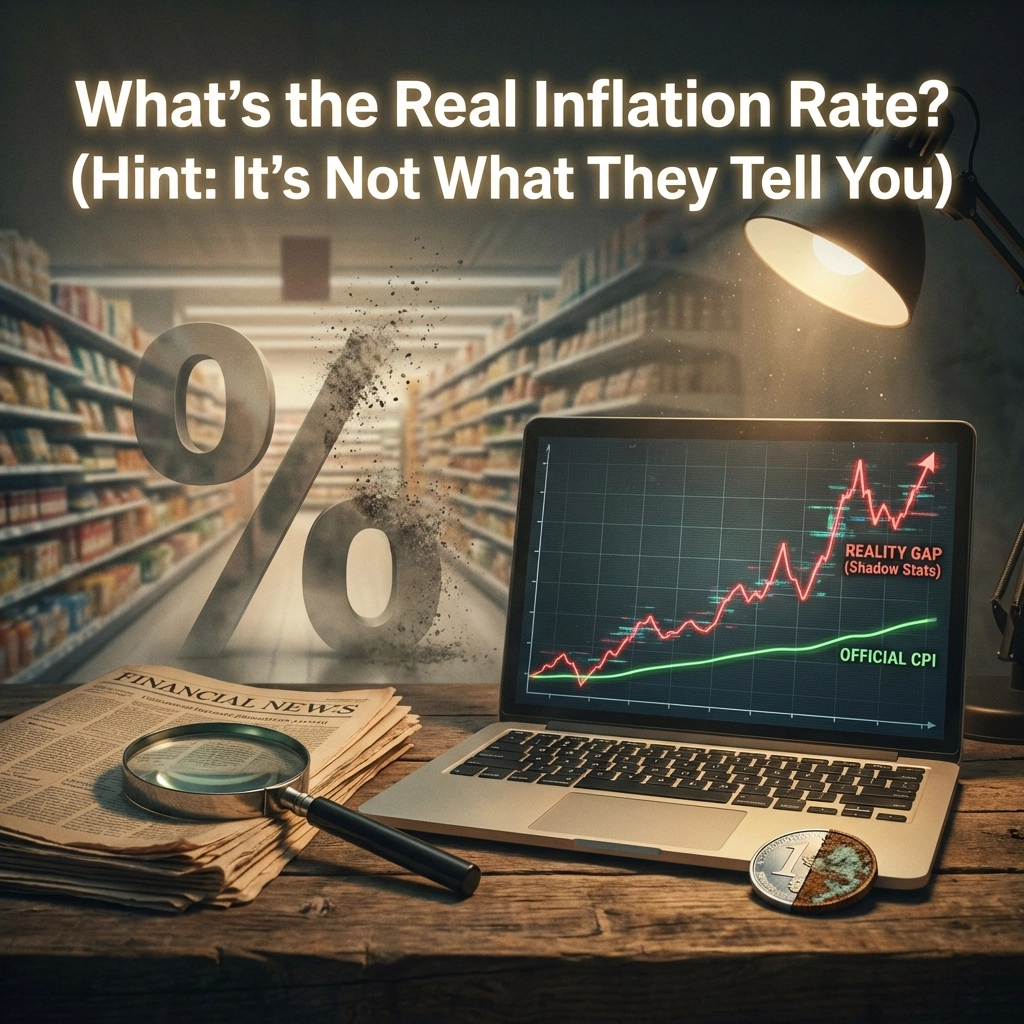
You know that feeling when you're at the grocery store and your usual cart of stuff costs $40 more than it did six months ago? Yet the government tells you inflation is only 3.2%. Something doesn't add up, right?
You're not crazy. There's a real disconnect between what regular people experience and what shows up in the official numbers. But before we dive into conspiracy theories, let's figure out what's actually going on.
What The Government Actually Measures (And Why It Matters)
The Bureau of Labor Statistics (BLS) calculates the Consumer Price Index (CPI) every month. Think of it as a giant shopping cart filled with stuff the "average" American buys. They track prices on about 80,000 items across 200+ categories in 75 urban areas.
Sounds comprehensive, right? Here's where it gets interesting.
The government doesn't just track raw price changes. They make adjustments. Lots of them. Some make sense, others… well, let's just say they're convenient for keeping the numbers lower.

The Adjustments That Make Your Head Spin
Quality Adjustments: If your laptop costs the same as last year but has a faster processor, the BLS counts this as deflation. The logic? You're getting more for your money. Never mind that you can't buy last year's slower laptop anymore.
Substitution: If beef gets expensive and people switch to chicken, the CPI assumes you're just as happy. Your standard of living hasn't declined, you've just "substituted." Tell that to your taste buds.
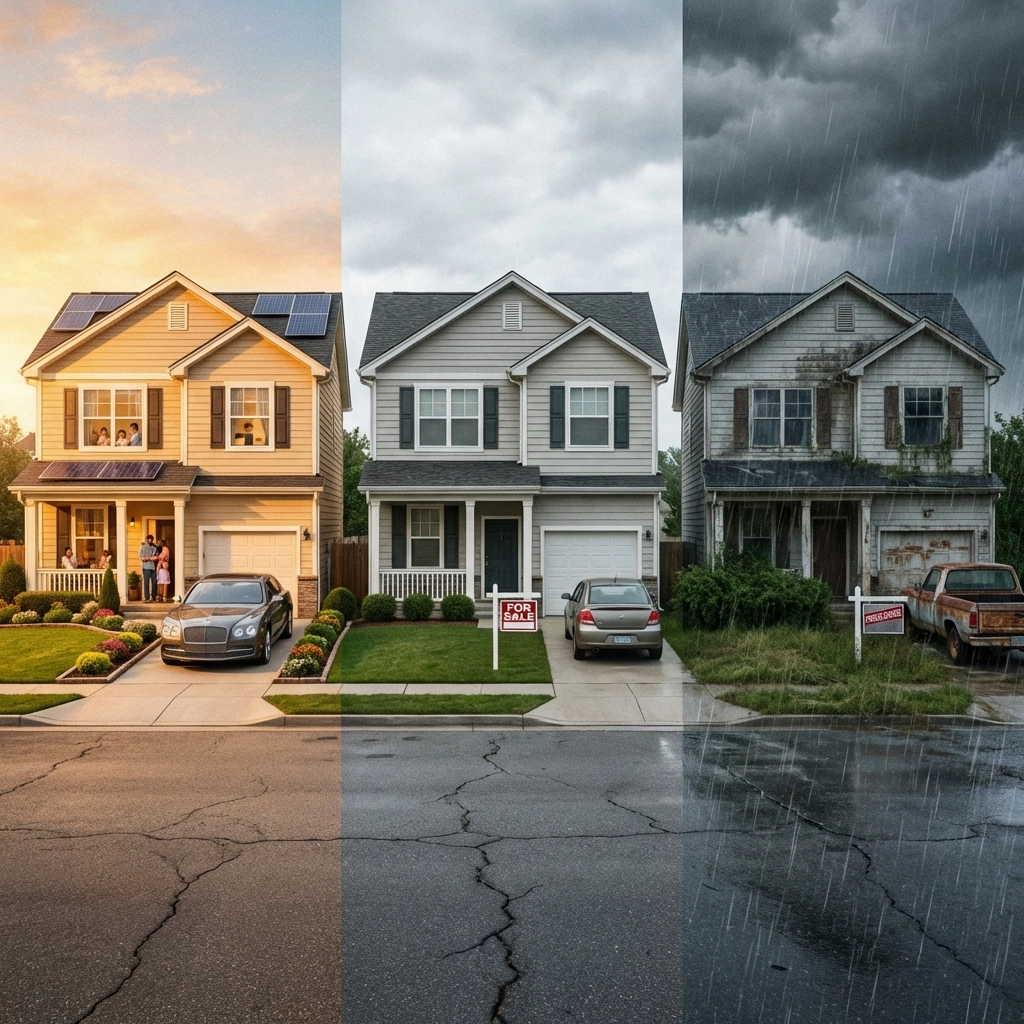
Housing: Here's a big one. Instead of tracking home prices directly, they use "owner's equivalent rent" – what you'd pay to rent your own house. This smooths out the wild swings in housing costs, but it also makes housing inflation look tamer than it really is.
Hedonic Adjustments: This fancy term means they adjust for improvements in products. A car with better safety features costs more, but part of that increase gets written off as "you're getting more value."
These adjustments aren't necessarily wrong, but they definitely paint a rosier picture than your wallet feels.
The "Shadow Stats" Myth (And Why It's Wrong)
You've probably seen claims that "real" inflation is 15% or higher, usually from a website called Shadow Government Statistics. It's tempting to believe because it matches how we feel about rising costs.
Here's the problem: their math is completely wrong.
The Shadow Stats guy takes the cumulative difference between old and new methodology over 31 years (about 5.1%) and treats it like it happens every single year. It's like saying that because you grew 5 feet from age 5 to adulthood, you must grow a foot every year.
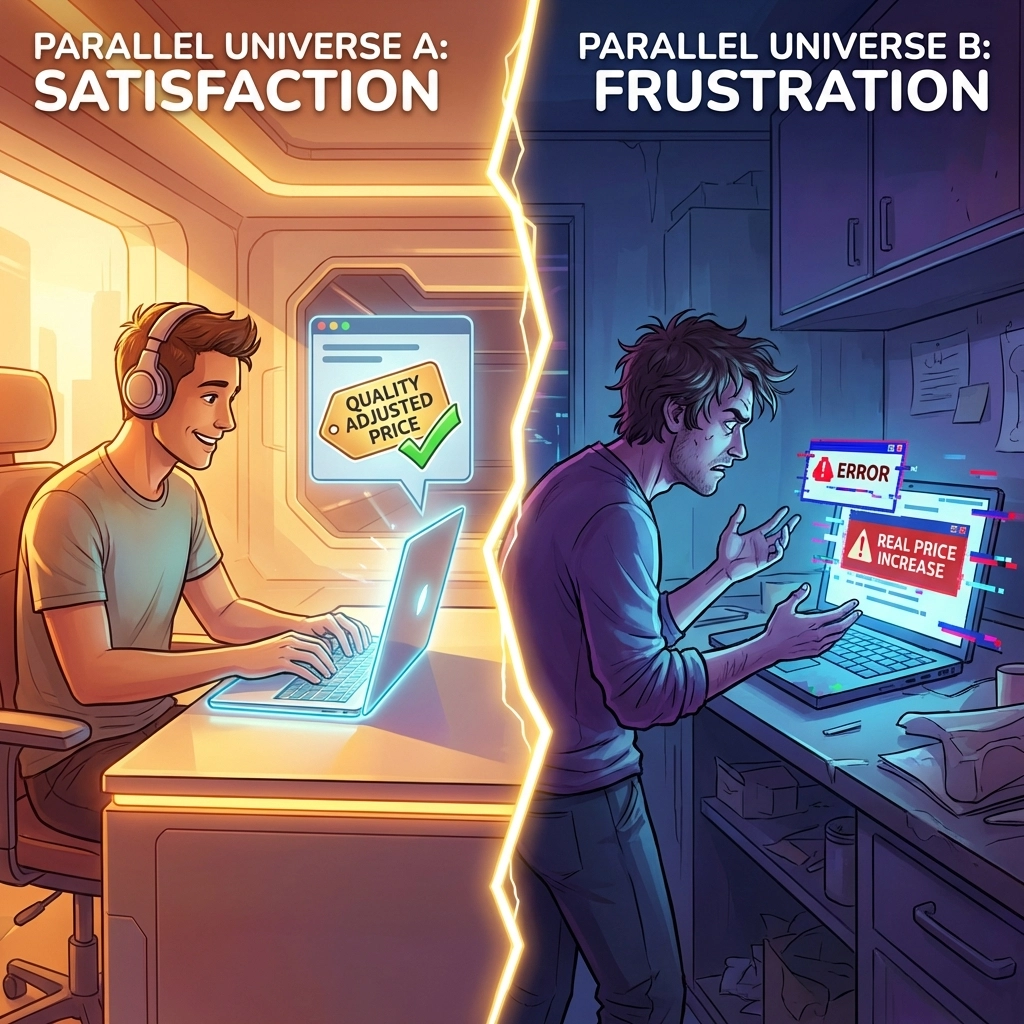
When the BLS actually calculated the impact of all their methodology changes, it came out to about 0.45% per year – not the 5-6% that Shadow Stats claims. Still meaningful over time, but not the smoking gun some people think it is.
Where The Real Problems Hide
The official inflation numbers aren't fake, but they don't tell the whole story either. Here's what gets lost:
Different People, Different Inflation: If you're poor, inflation hits you harder. Food and energy make up a bigger chunk of your budget, and these tend to be more volatile. The CPI assumes everyone has middle-class spending patterns.
Geographic Differences: Inflation in San Francisco isn't the same as inflation in Cleveland. The national average smooths out these differences, which is great for headlines but useless if you live in an expensive city.
What You Actually Buy Matters: The CPI basket includes everything from concert tickets to new cars. But if you never buy concert tickets and drive a 10-year-old car, those price changes don't affect you. Meanwhile, if you eat out a lot or need prescription drugs, your personal inflation could be much higher.

The Housing Shell Game
Housing deserves special attention because it's where the numbers get really wonky. The CPI uses "owner's equivalent rent," but most people experience housing costs through:
- Mortgage payments (affected by interest rates, not just home prices)
- Property taxes (which keep climbing)
- Insurance (hello, climate change)
- Maintenance and repairs (ever tried to hire a contractor lately?)
None of these show up directly in the inflation calculation. So while the CPI might say housing inflation is 6%, your actual housing costs might be up 20% or more.
The Food and Energy "Exclusion"
You've heard of "core inflation" – inflation excluding food and energy. The logic is that these prices are volatile and don't reflect underlying trends.
That's fine for economists and Fed officials, but food and energy are exactly what regular people notice most. You fill up your gas tank and buy groceries every week. You don't buy a new couch every week.
Excluding the stuff people buy most frequently from the "real" inflation number is like measuring your health while ignoring your heartbeat.
What This Means For Your Wallet
So what's the real inflation rate? It depends on who you are and what you buy.
If you're a typical middle-class family who:
- Owns a home (bought before the recent craziness)
- Drives an older car
- Doesn't eat out much
- Lives in a moderate-cost area
The official numbers probably aren't too far off for you.
But if you:
- Rent your home
- Buy a lot of food and gas
- Live in an expensive city
- Need healthcare regularly
Your personal inflation rate is probably significantly higher than what the government reports.
The Bottom Line
The government isn't deliberately lying about inflation, but they're measuring something different than what most people experience day-to-day. The official numbers are designed to track broad economic trends, not your grocery bill.
The methodology changes over the years have generally pushed reported inflation lower than older methods would show – probably by about half a percentage point annually. That adds up over time, but it's not the massive conspiracy some claim.
The real issue isn't fake numbers; it's that inflation hits different people differently. A retiree on a fixed income faces different price pressures than a young professional. Someone who rents faces different pressures than someone who owns their home outright.
Your personal inflation rate is what matters to your budget. The government's number is what matters to policy makers. They're measuring different things for different purposes.
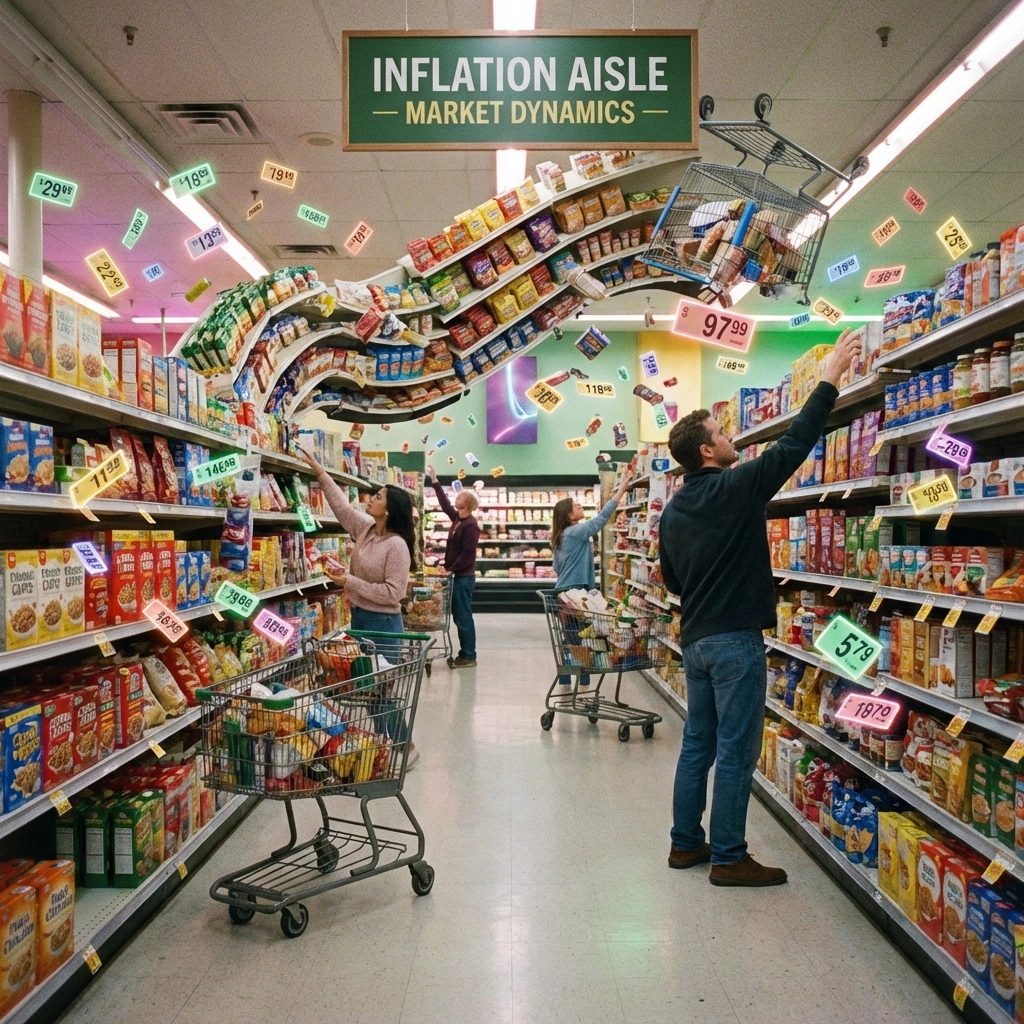
Understanding this disconnect helps explain why people feel like the economy is worse than the statistics suggest, even when both perspectives have some truth to them. The numbers aren't lying, but they're not telling your story either.
Keep track of your own spending categories. Know what's driving your costs up. And remember that when politicians and economists talk about inflation, they're usually talking about averages that might have nothing to do with your actual experience.
Be mindful, be watchful and good luck!