



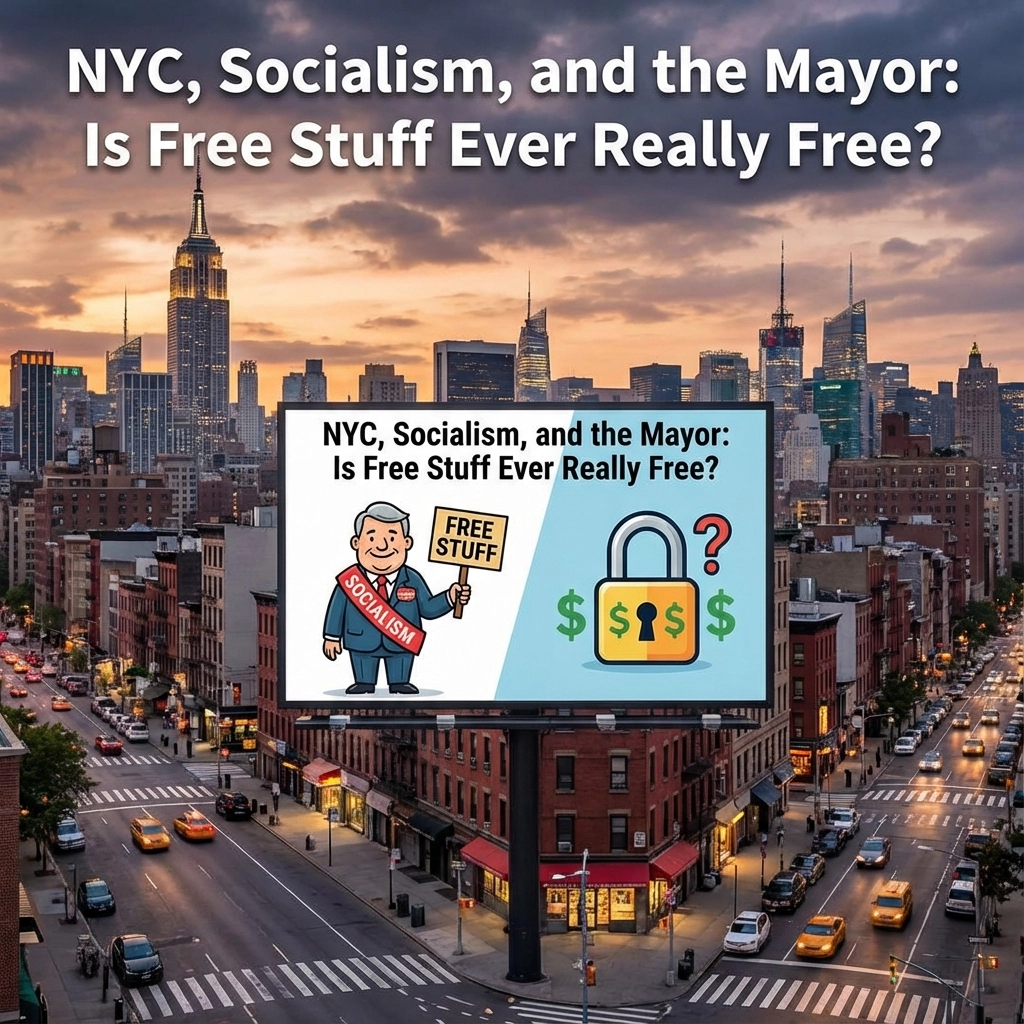
New York City just got itself a socialist mayor, and suddenly everyone's talking about "free" stuff. Zohran Mamdani, fresh off his 2025 election victory, is promising free bus rides, universal childcare, city-run grocery stores, and a whole buffet of government goodies. Sounds pretty sweet, right? Well, hold onto your wallet because we need to talk about what "free" actually means when politicians start throwing that word around.
The Socialist Shopping List
Mamdani's campaign platform reads like a progressive wish list. We're talking about rent freezes for rent-stabilized apartments, free public transit, universal childcare, government-operated grocery stores, massive social housing projects, and, here's the kicker, raising taxes on the wealthy to pay for it all. It's ambitious, I'll give him that. But let's be real here: when a politician says "free," what they really mean is "someone else is paying for it."
The basic economics are pretty straightforward. Those free bus rides? They're funded by taxpayers. That universal childcare? Yep, taxpayers again. The city-run grocery stores? You guessed it, your tax dollars at work. It's like when your buddy offers to buy dinner but then asks you to split the check. The dinner wasn't free; you just didn't see the bill upfront.

The Math Behind the Magic
Here's where things get interesting. Mamdani's team isn't just pulling numbers out of thin air. They're proposing to fund these programs primarily by raising taxes on wealthy New Yorkers. In theory, this means regular folks get services while rich people foot the bill. But economics has a funny way of being more complicated than campaign promises suggest.
When you raise taxes on wealthy residents, especially in a place like NYC where they already have plenty of options to relocate, you risk what economists call "tax base erosion." Rich people have accountants, lawyers, and the mobility to move to Florida or Texas where the tax burden is lighter. When they leave, they take their tax revenue with them, which means either the "free" programs get cut or the tax burden shifts to middle-class residents.
It's like trying to squeeze water from a sponge, push too hard, and the water (and the wealthy taxpayers) just moves somewhere else.
The Service Reality Check
But here's what's really telling about Mamdani's approach: his team is actually focusing on something more fundamental first. Instead of immediately rolling out all these new "free" programs, they're concentrating on fixing the basic government services that are already supposed to work.
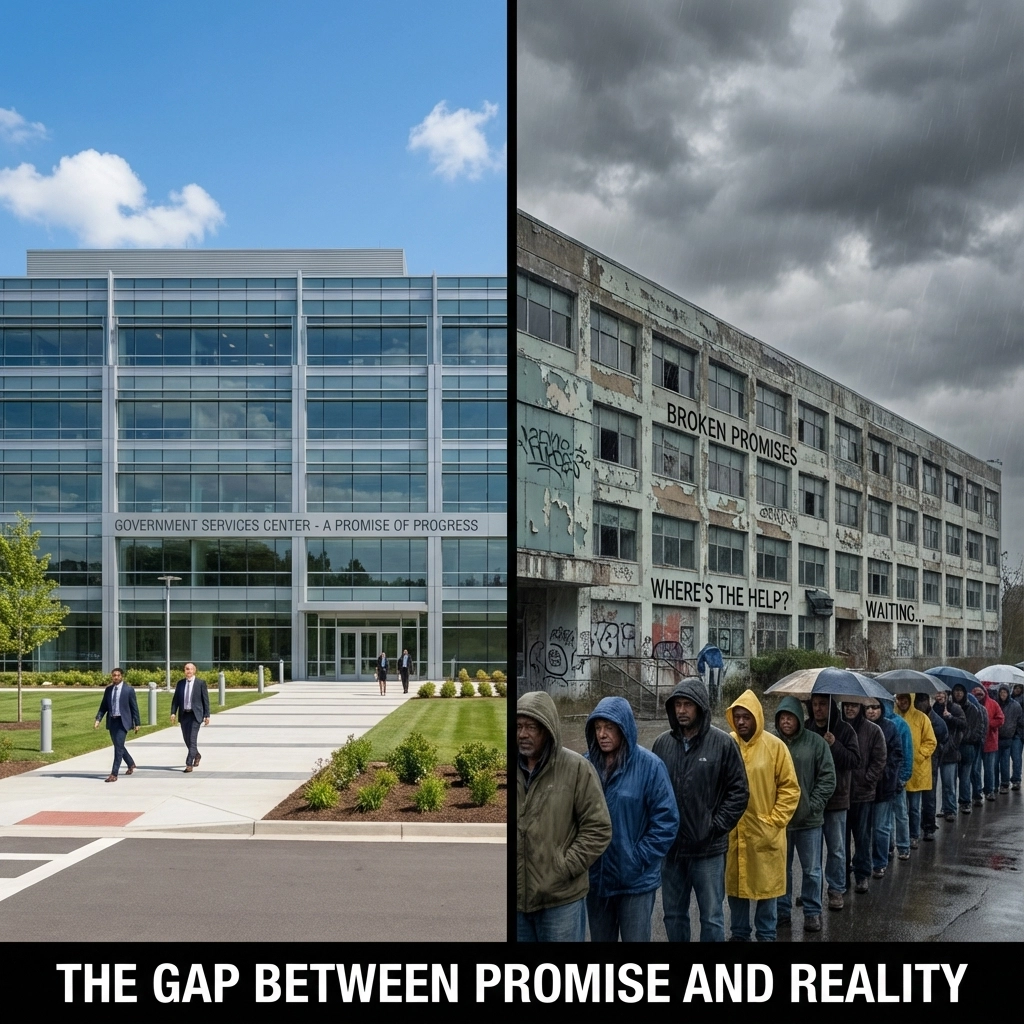
According to recent data, only 27% of New Yorkers rate city government services as excellent or good in 2025, down from 44% in 2017. That's not exactly a ringing endorsement of government efficiency. We're talking about chronic transit failures, buses that don't run on schedule, food assistance applications that take forever to process, and city agencies that seem to operate in their own time zone.
Elle Bisgaard-Church, Mamdani's chief of staff, put it pretty bluntly: "There is often low trust in government because our processes are just too hard to navigate." Translation: before we start promising new free stuff, maybe we should figure out how to deliver the stuff we're already supposed to be providing.
The Efficiency Question
This brings us to the heart of the matter. Even if we accept that wealthy taxpayers will stick around to fund these programs (big if), there's still the question of whether government can deliver services efficiently. The track record isn't exactly inspiring.
Think about it this way: if your local DMV can't process a license renewal without making you wait three hours, do you really want them running grocery stores? If the city can't keep the buses running on time, should they be expanding into universal childcare?
The deputy mayor made an interesting point about getting the basics right first: "New Yorkers will feel that on a day-to-day basis." It's a refreshingly honest admission that the city needs to prove it can handle its current responsibilities before taking on new ones.
The Hidden Costs
But let's dig deeper into what "free" really costs. When government provides services, it doesn't just cost money, it also costs opportunity. Every dollar spent on free bus rides is a dollar not spent on fixing potholes, improving schools, or reducing crime. Every government employee running a city grocery store is someone not focused on core municipal functions.
There's also what economists call the "crowding out" effect. When government enters markets like childcare or grocery retail, it can push out private providers. This might sound good if you're getting free services, but it reduces competition and innovation. Private companies have to be efficient to survive; government agencies… well, they get their funding regardless of performance.
The Comparison Game
It's worth noting that other cities have tried similar approaches with mixed results. Some European cities have implemented free public transit with decent success, but they typically have higher baseline tax rates and different economic structures. The challenge in American cities is that residents and businesses have much more mobility to vote with their feet when tax burdens become too heavy.
California provides a cautionary tale here. Despite high taxes and ambitious social programs, the state has seen significant outmigration of both individuals and businesses. When people and companies leave, the tax base shrinks, making those "free" programs harder to sustain.
The Bottom Line
So, is free stuff ever really free? Not in any meaningful economic sense. Someone, somewhere, is paying for it. The real questions are: who's paying, how much are they willing to pay, and can government deliver these services efficiently?
Mamdani's focus on improving existing services before launching new programs shows some pragmatic thinking. If his administration can prove that government can actually deliver quality services efficiently, that might build the trust needed for more ambitious programs.
But if they can't even get the basics right: reliable transit, responsive agencies, efficient processes: then promising more "free" services is just political theater. New Yorkers aren't stupid. They can see the difference between genuine value and expensive government programs that don't work.
The socialist experiment in NYC will be worth watching, if only to see whether good intentions can overcome the basic realities of economics and government efficiency. History suggests it's an uphill battle, but stranger things have happened.
Be mindful, be watchful and good luck!