



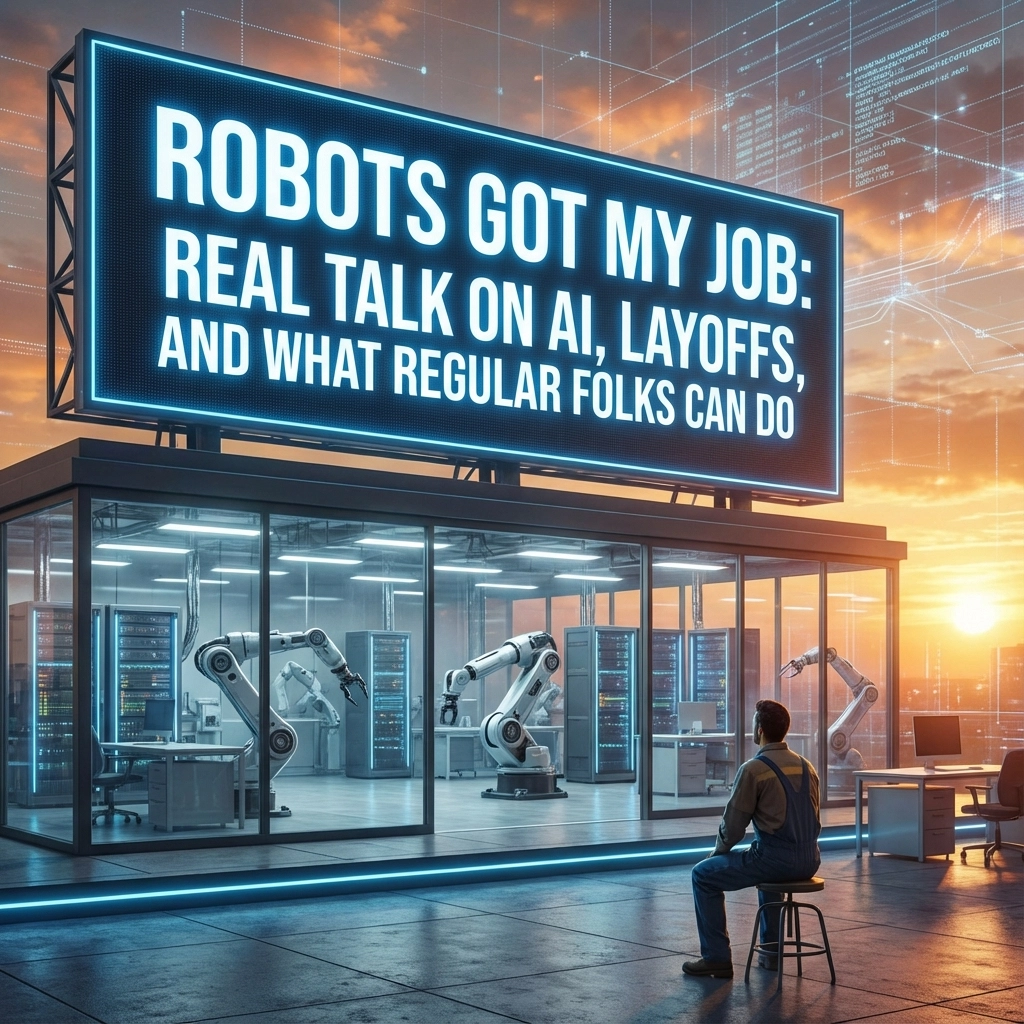
Let's cut through the BS and talk about what's really happening out there. If you've been watching the news lately, you've probably seen the headlines: "AI is coming for your job!" But here's the thing – it's not coming anymore. It's already here, and it's kicking down doors faster than a repo man with a court order.
The robots aren't just taking factory jobs anymore. They're going after white-collar workers, customer service reps, even HR departments. And if you think you're safe because you work with people, think again. AI doesn't need coffee breaks, sick days, or a 401k match.
The Numbers Don't Lie
Let's start with some cold, hard facts because sugar-coating this situation helps nobody. In 2025, we're seeing layoffs that would make the 2008 financial crisis blush. TCS just laid off 12,000 employees – that's not a restructuring, that's a small city worth of people suddenly looking for work. DBS Bank in Singapore cut 4,000 jobs, and they were pretty honest about why: AI can do it faster and cheaper.

IBM fired thousands from their HR department and replaced them with something called an "Ask HR agent" bot. Imagine getting fired by email, then having to ask a robot about your severance package. That's where we are now.
But wait, there's more! Companies like Bumble, Klarna, and Duolingo are all jumping on this bandwagon. Banking industry projections suggest we could see up to 200,000 layoffs. That's not a number – that's a catastrophe with a business plan.
Why Is This Happening Now?
Here's the deal: AI got really good, really fast. Remember when Siri couldn't understand you asking for the weather? Now we've got AI systems that can write code, analyze financial reports, and handle customer complaints without breaking a digital sweat.
The math is simple for companies. Why pay someone $50,000 a year plus benefits when you can license AI software for a fraction of that cost? It's not personal – it's just brutal economics.
Anthropic CEO Dario Amodei isn't sugarcoating it either. He's predicting AI will eliminate half of entry-level white-collar jobs and replace up to 20% of all jobs overall. OpenAI's Sam Altman was even more direct: "jobs are definitely going to go away, full stop." When the guys building this stuff are telling you jobs will disappear, maybe it's time to listen.
Who's Getting Hit Hardest?
The tech industry is getting hammered first because, ironically, these are the jobs that are easiest for AI to replace. If you work in IT, coding, data entry, or basic analysis, you're in the danger zone right now.
But don't think this is just a tech problem. Customer service, basic accounting, junior-level marketing, and even some medical diagnostics are all on the chopping block. The pattern is clear: if your job involves following procedures, processing information, or routine decision-making, AI is probably already learning how to do it better than you.
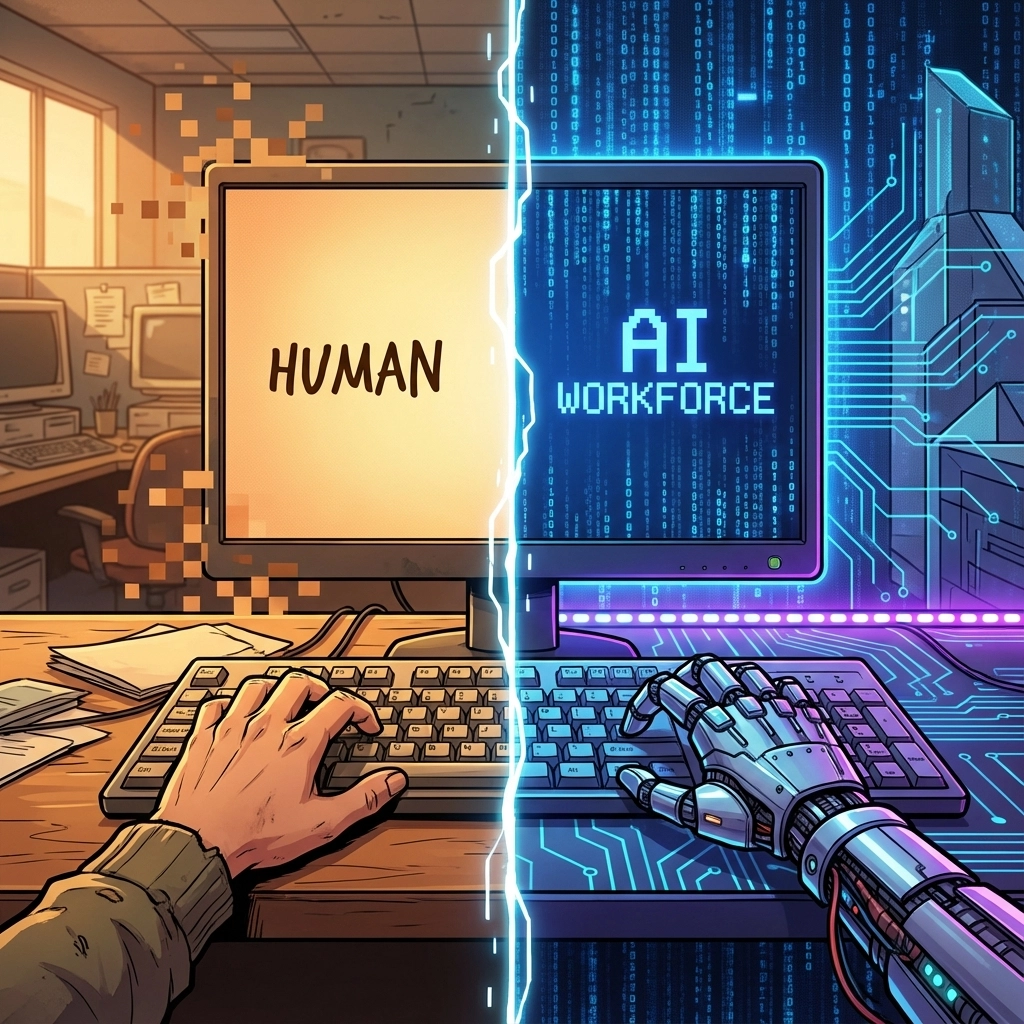
The cruel twist? Companies aren't just replacing workers – they're using AI to justify making the remaining employees do more work for the same pay. It's like getting punched in the gut, then being asked to smile about it.
What Regular Folks Can Actually Do
Alright, enough doom and gloom. Let's talk solutions, because sitting around waiting for the robot apocalypse isn't going to pay your mortgage.
First, get real about your skills. If your job can be broken down into a series of steps that you could teach someone in a week, you're vulnerable. But if your work involves creativity, complex problem-solving, or genuine human interaction, you've got more breathing room.
Second, learn to work with AI, not against it. This is like learning to use email in the 1990s – you can resist it, but you'll just get left behind. Figure out how AI tools can make you better at your job. Use ChatGPT to help with writing, let AI handle the boring parts of data analysis, and focus your human brain on the stuff that actually requires thinking.
Third, double down on skills that AI can't replicate. Emotional intelligence, creative problem-solving, leadership, and complex communication aren't getting automated anytime soon. If you can manage people, solve weird problems, or explain complicated things in simple terms, you've got value that no algorithm can replace.

Fourth, diversify your income streams. This isn't just career advice anymore – it's survival strategy. Side hustles, consulting work, freelancing, even small business ventures. Don't put all your eggs in the "job security" basket because that basket has holes in it.
Fifth, stay informed but don't panic. The job market is changing, but it's not ending. New types of work will emerge, just like they did when computers replaced typewriters. The key is staying flexible and ready to adapt.
The Bigger Picture
Here's what nobody wants to admit: this transition is going to be messy. We're essentially rebuilding the economy while trying to keep it running, like changing the engine on a car while driving down the highway.
The 2025 job market isn't just dealing with AI – it's also dealing with low-quality jobs, wage stagnation, and a cost-of-living crisis that would make your grandparents weep. More jobs are part-time, temporary, or gig-based with minimal benefits. Even previously high-paying positions are seeing wage compression.
But here's the thing about economic disruption: it creates opportunities for people who are paying attention and willing to adapt. Every major technological shift has created new types of work that nobody could have imagined before.

The Reality Check
Look, I'm not going to blow sunshine up your exhaust pipe and tell you everything will be fine. Some jobs are going away and they're not coming back. But humans are remarkably good at figuring out new ways to create value for each other.
The companies laying people off today will need humans tomorrow – just different humans doing different things. The trick is making sure you're one of those humans.
This isn't about fighting the robots or trying to stop progress. It's about understanding the game has changed and adjusting your strategy accordingly. The people who thrive in this new economy will be those who can combine human creativity with AI efficiency.
We're living through one of the biggest economic transitions in human history. It's scary, it's uncertain, and it's definitely not fair to the people getting steamrolled in the process. But it's also reality, and reality doesn't care about our feelings.
The best thing you can do right now is take an honest look at your situation, start building skills that complement AI rather than compete with it, and remember that being adaptable has always been more valuable than being comfortable.
Be mindful, be watchful and good luck!